Headaches vs Migraines: What Actually Sets Them Apart
Understanding the difference between headache and migraine changes how you treat your pain, when you seek help, and whether what you are doing is actually working.
What Is a Headache?
A headache is pain or pressure felt anywhere in the head. It is a symptom, not a diagnosis, and it can come from many sources: tension, dehydration, sinus pressure, poor posture, or eye strain.
Tension headaches, the most common type, feel like a dull band of pressure across the forehead. They affect both sides of the head and tend to respond well to rest, water, and over-the-counter medication. For most people, finding instant headache relief is as straightforward as addressing the trigger.
- Sinus headaches from infection or allergies
- Exertion headaches after intense physical activity
- Cervicogenic headaches originating in the neck
- Medication overuse headaches from frequent pain relievers
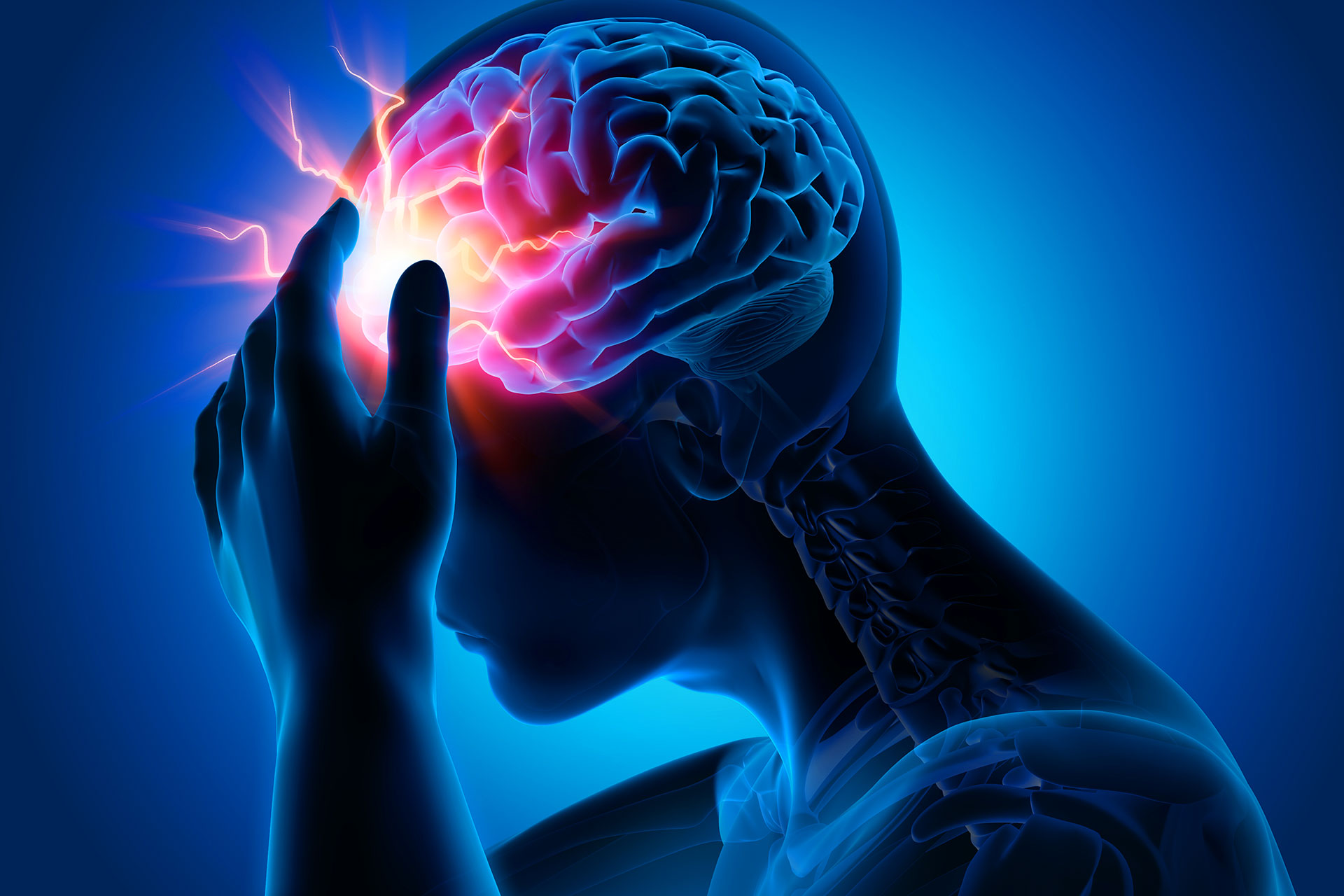
The Difference Between Headache and Migraine
A migraine is a neurological condition, not just a severe headache. Knowing what is the difference between a headache and a migraine comes down to a specific pattern of symptoms that go well beyond head pain.
Migraine pain is typically one-sided, throbbing, moderate to severe, and worsened by movement. What makes migraines unmistakable is what comes alongside the pain: nausea, sensitivity to light and sound, and sometimes an aura with visual disturbances like zigzag lines or blind spots.
Migraine v Cluster Headache: A Quick Note
Cluster headaches cause intense, stabbing pain around one eye and occur in episodes, sometimes daily for weeks. Unlike migraines, they cause restlessness rather than a need to lie still, and they often produce physical symptoms like a drooping eyelid or watering eye.
Both conditions benefit from proper diagnosis. Working with a pain specialist can help identify what type of head pain you are dealing with and what to do about it.
What Foods Help with Headaches
Diet has a direct impact on head pain frequency. Some foods trigger migraines in susceptible people, including aged cheeses, processed meats, alcohol, and anything high in MSG or tyramine.
On the supportive side, what foods help with headaches most comes down to a few consistent findings:
- Magnesium-rich foods like leafy greens, almonds, and pumpkin seeds
- Omega-3 fatty acids found in salmon and sardines
- Ginger, which may ease migraine-related nausea
- Consistent hydration throughout the day
When to See a Specialist
Occasional headaches that respond to rest are rarely a concern. But if your head pain is frequent, severe, or comes with neurological symptoms, it deserves attention. Sometimes recurring head pain is referred pain from another source entirely, which is why a thorough evaluation matters.
If your doctor has recently recommended a specialist visit, learning about pain management referrals can help you feel more prepared for that step.
FAQ: Difference Between Headache and Migraine
Struggling with recurring head pain that does not respond to standard treatment? Our specialists can help you find answers.
Contact usThis article is for informational purposes only and does not constitute medical advice. Please consult a qualified healthcare provider regarding any symptoms or conditions.