Dorsal Root Ganglia: Part of the Peripheral Nervous System
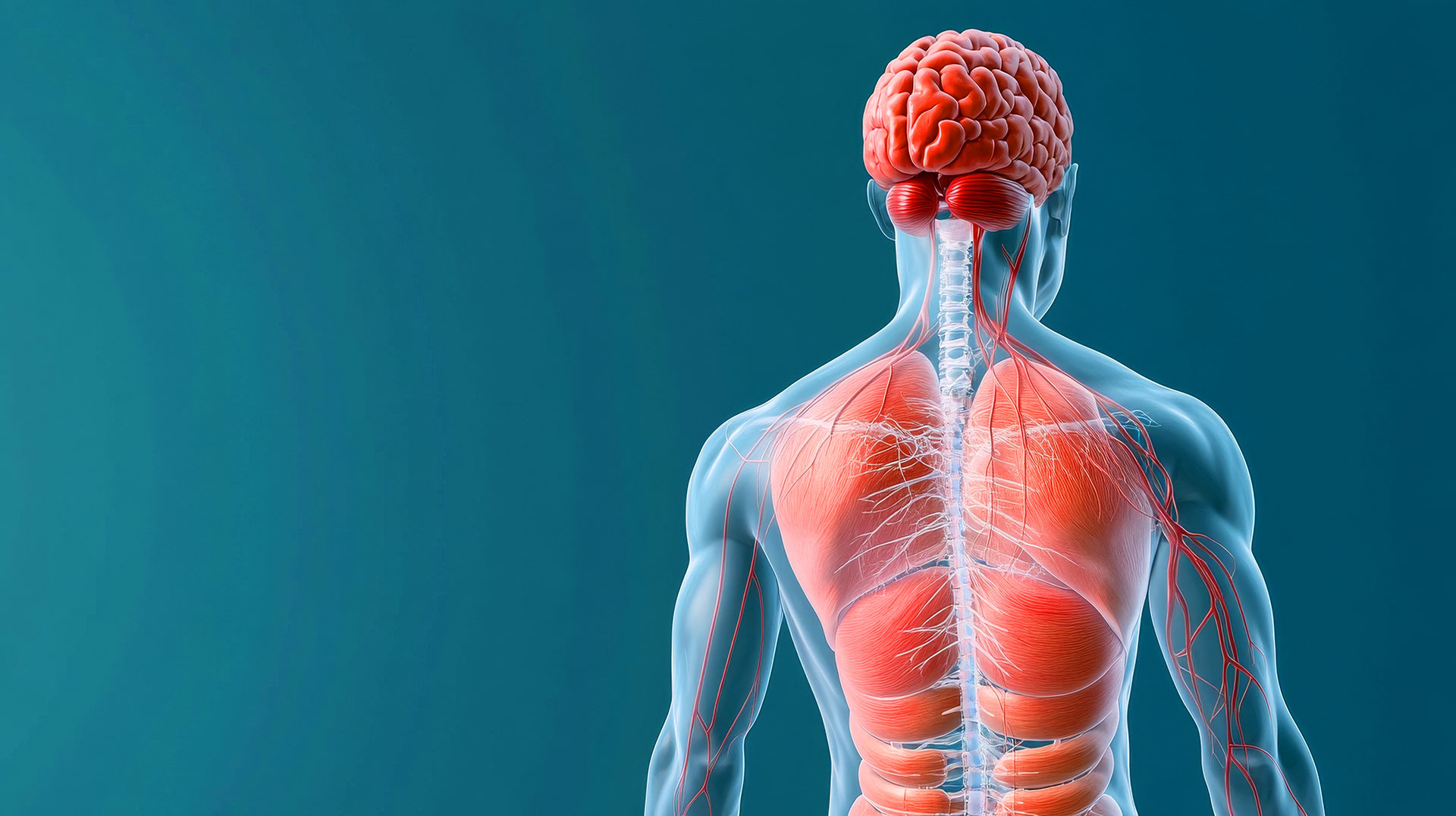
If you touch something hot with your finger, your body will tell you immediately: “Hey! Don’t do it!” Pain is one of the body’s basic protective principles. Your body has 31 pairs of spinal nerves and afferent sensory dorsal axons. Each nerve connects to a specific part of the body.
Our nervous system has two teams on deck:
- The Brain and Spinal Cord Crew: This is the Central Nervous System. They’re the brains behind thinking, coordination, and speech.
- The Nerve Squad: Meet the Peripheral Nervous System. They’re the ones reaching out to the world around us, making sure we’re tuned in to everything. Its mission is to warn you about danger using sensory neural signals.
Little Bit of Spinal Anatomy | Know your spine
In human anatomy, the spinal cord is like the superhero of our central nervous system. It’s friends with dorsal roots and dorsal root ganglia. Here, sensory neurons hang out, doing their thing and passing signals like champions.
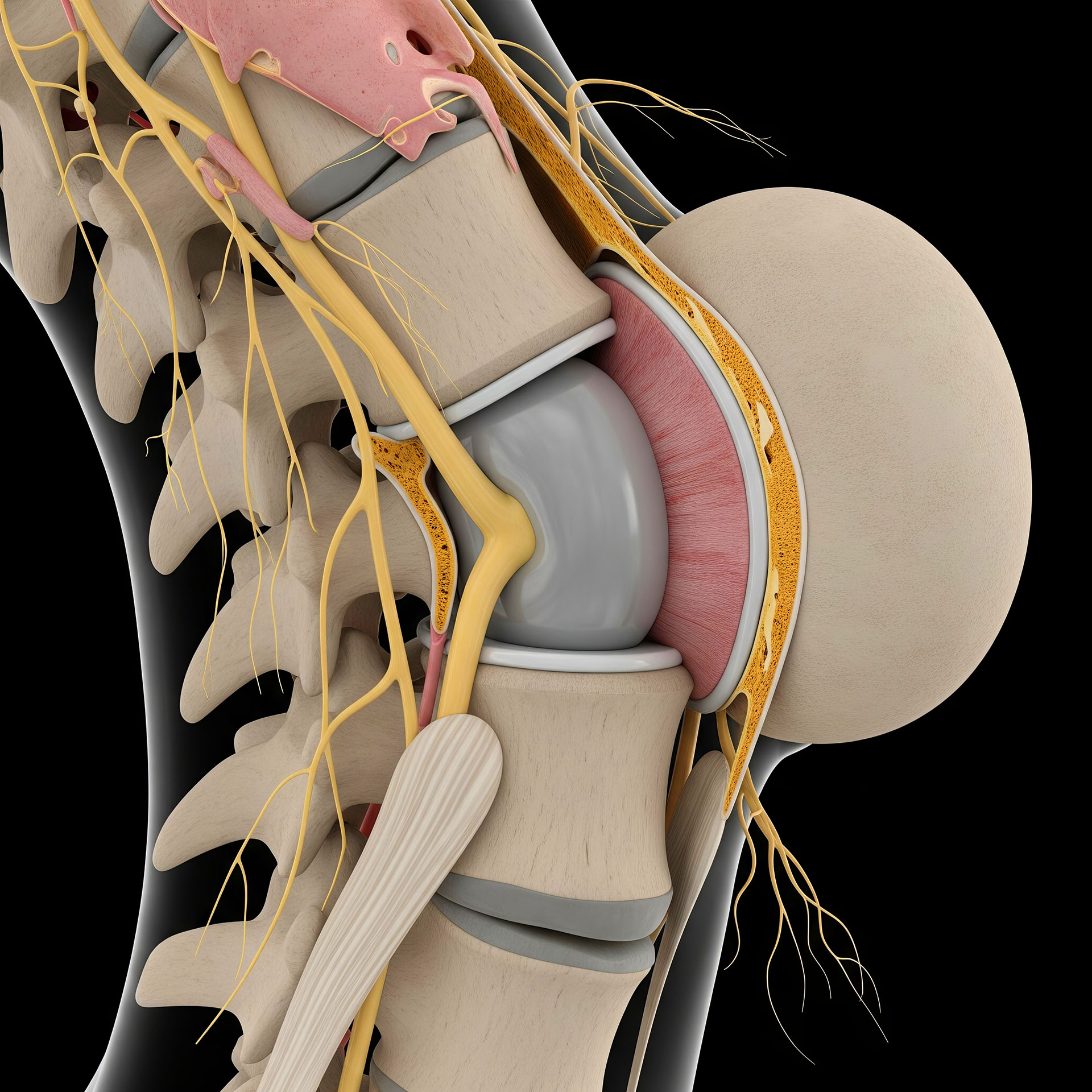
The spinal ganglia line the dorsal roots of the spinal cord. The spinal ganglia relate to the dorsal root, ventral root, and spinal nerve. Cell bodies of neurons line the periphery of the spinal ganglia. In your entire spine, you have bones called vertebrae. Inside of vertebra, you have the spinal cord – the band of tissues, nerves, and callces. Between every vertebra, a hole called the intervertebral foramina exists.
The spinal cord exits from the spinal column through intervertebral foramina. It starts in the Central Nervous System. Then, it moves to the Peripheral Nervous System through nerve roots and peripheral nerves.
If any bone disc or ligament has a spur and enters the foramina canal, it can compress or irritate the nerve. That means you’ve got pinching of the spinal nerve. It can lead to pain, numbness tingling, or weakness.
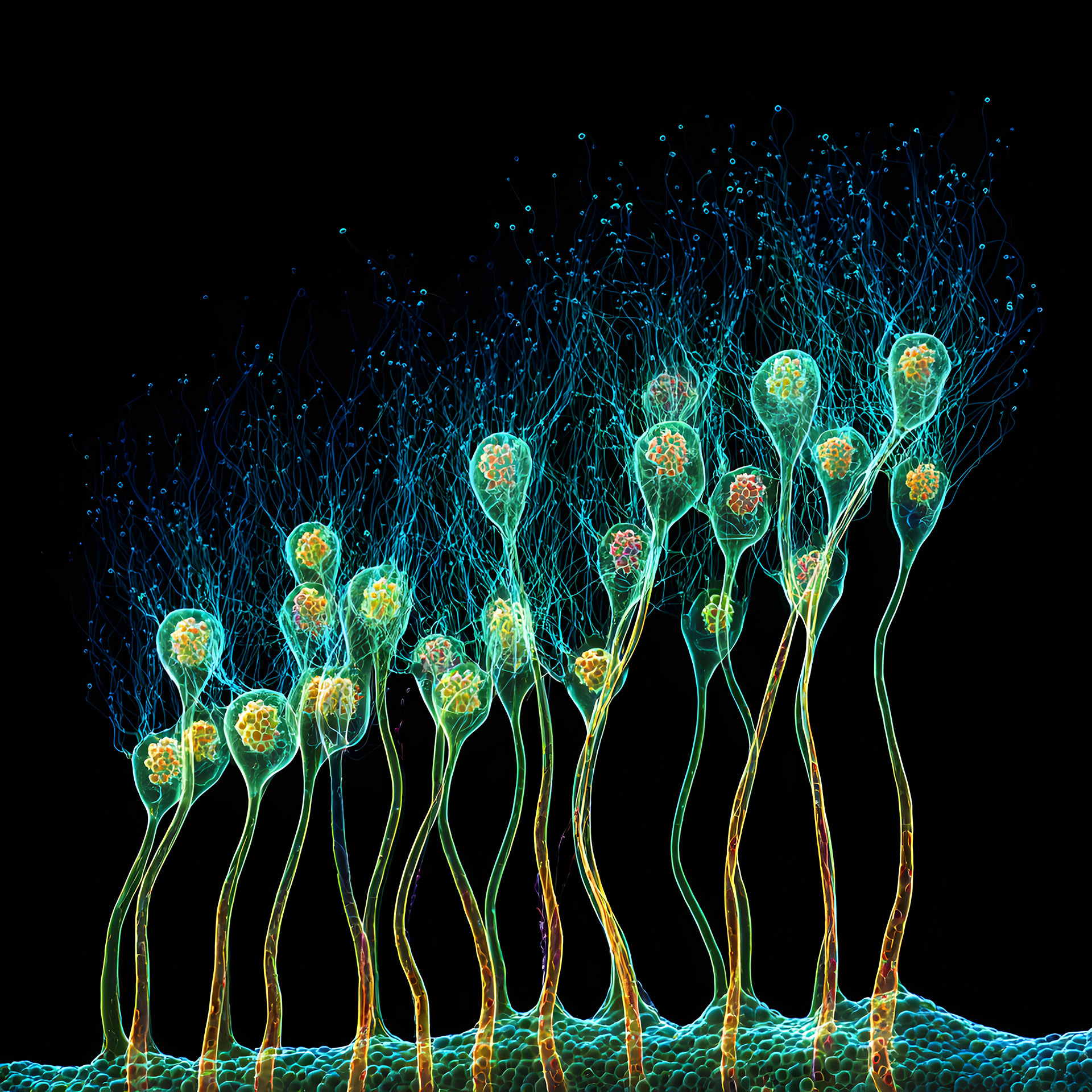
In mammals, the cell bodies of DRG neurons gather in a cozy cluster. Connective tissue surrounds them. They’re like little neighbors. They’re nestled between the vertebrae on both sides of the spinal cord. It’s creating a kind of protective community. Exploring spinal cord dynamics, particularly the dorsal roots, sheds light on sensory ganglia. It also reveals potential implications for peripheral nerve injury.
Advanced diagnostic tools, such as magnetic resonance imaging, play an essential role. They are crucial in visualizing the human spinal cord. It also explores the intricate network of cytoskeletal and transport proteins. Understanding gene expression, the proximal process, and the blood-brain barrier is key. This is especially true in the context of addressing intractable pain.
What Dorsal Root Ganglions are ?
The dorsal root ganglion (DRG) is a sensory neural structure of nerve cells. It resides in the epidural space near the spinal cord. It contains the sensory neurons that share sensations. Dorsal roots send information from the body to the brain and back using nerve roots.
DRG neurons control feelings like pain, temperature, and touch. The dorsal root ganglia go by the name spinal ganglia. The dorsal root ganglion acts like our body’s signal translator. It plays a crucial role in understanding and responding to different stimuli.
What Happens When the Dorsal Root Ganglion Sustains Damage?
The dorsal and ventral roots are siblings living in the spine. When the dorsal root ganglion gets hurt, it’s like a problem in the body’s talking system. Feelings might act strangely or become less. It makes it hard to understand and react to things around us. Plus, the damage could make the pain last longer. The usual signal transmission gets messed up.
Interesting fact. If one cuts the ventral roots on one side, it completely turns off the engine. Yet, sensitivity remains. Transecting the dorsal roots turns off sensitivity. But, it does not lead to a decline in the condition of the motor muscles.
When damage occurs to the spinal nerve, movement disorders occur. The results of hurting the dorsal root ganglion show how important they are in our daily lives. To fix it doctors use Dorsal Root Ganglion stimulation. In medicine, researchers explore novel uses for dorsal root ganglion (DRG) interventions. They’re getting more specific, targeting things like nerve injuries and stubborn pain.
Sensory Neurons in Action
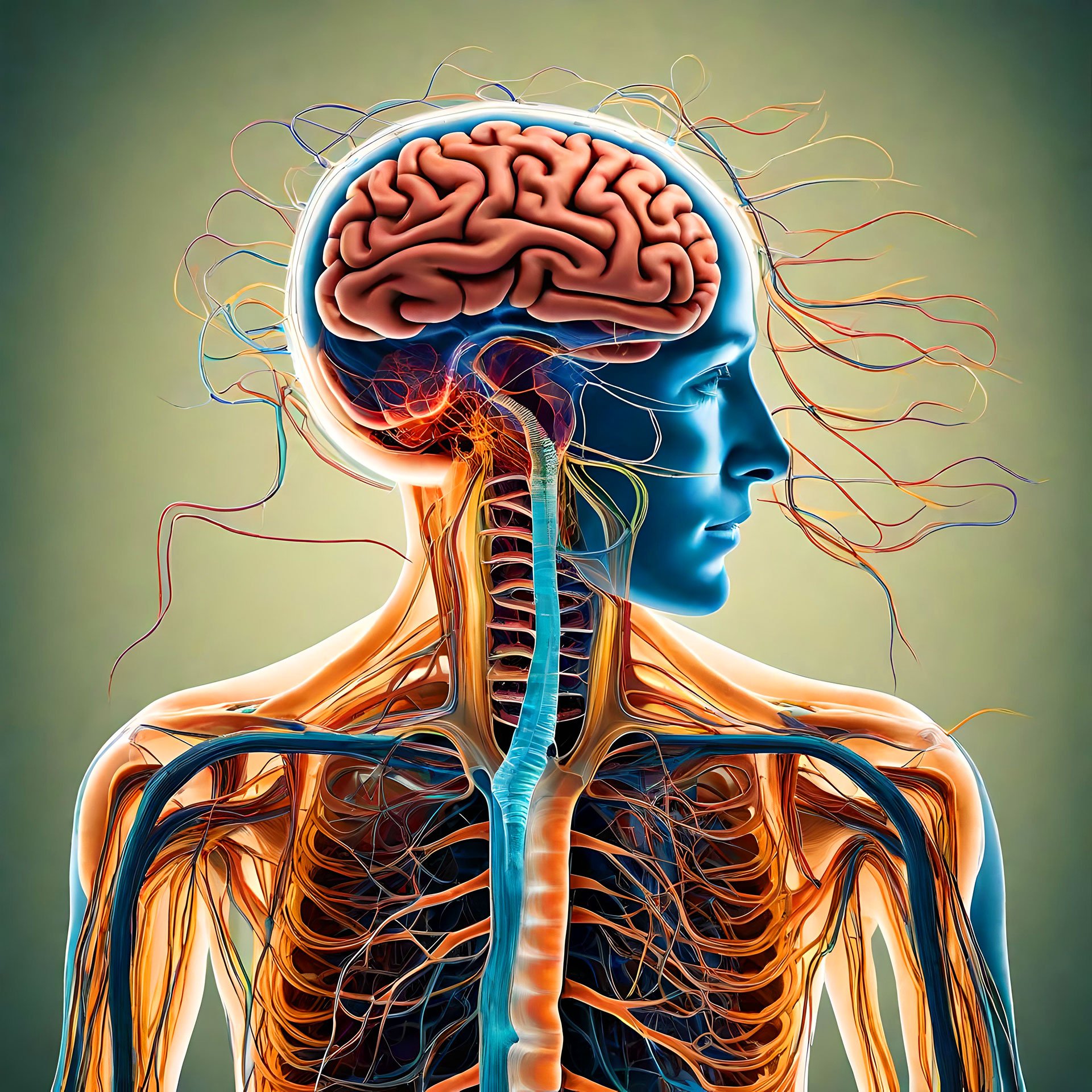
Sensory neurons, integral to the DRG, serve as messengers. They share information about our surroundings. They play a crucial role in shaping our sensory experiences. Researchers have made important strides in understanding the dorsal root ganglion. Despite progress, challenges persist, especially in addressing peripheral nerve injury and intractable pain. The role of nerve growth factor continues to be an area of active investigation. Overcoming these challenges is crucial. It unlocks new avenues for therapeutic interventions targeting the dorsal root ganglion.
Conclusion
Think of the spinal nerve as the main messenger in our neural symphony. It carries signals shaping our sensory experiences and motor functions.
Now, imagine the primary sensory neuron taking the stage in the spinal cord dorsal horn. It processes sensory input like a maestro interpreting a complex piece of music. The spinal nerve, ventral root, sensory neuron, and nerve root perform a collaborative dance. This forms the spine of our intricate neural orchestra. This forms the spine of our intricate neural orchestra.