Why Knee Pain After Running Happens and How to Fix It
What’s actually happening inside your knee
You finish a run feeling fine, then an hour later your knee is stiff, sore, or quietly throbbing. Knees in pain after running is one of the most common complaints among runners of every level, from first-timers to seasoned athletes logging 40-mile weeks. The frustrating part is that the pain often shows up after the run, not during, which makes it easy to dismiss until it gets worse.
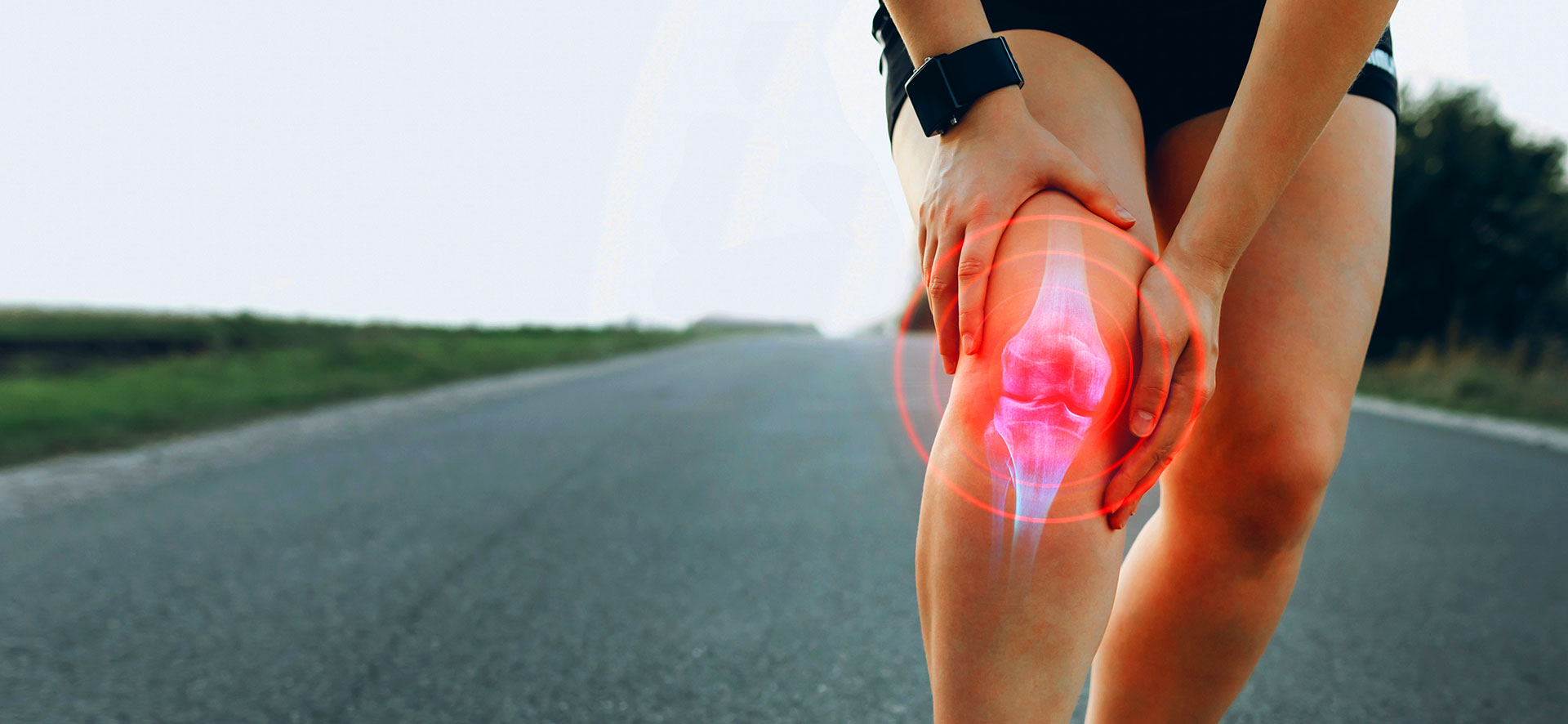
Running puts roughly three to four times your body weight through each knee with every stride. Over several miles, that adds up to millions of load cycles across cartilage, tendons, and surrounding tissue. When something is off, whether that’s muscle weakness, training load, or mechanics, the joint starts to complain.
Most running-related knee pain is overuse-related, not structural. That’s good news, because it means it’s usually fixable with the right approach.
The most common types of knee pain runners experience
Conditions like leg cramps and circulatory issues can sometimes present in similar ways, particularly in the lower leg and behind the knee, so ruling those out early is worthwhile if symptoms don’t match a typical overuse pattern.
How to treat runner’s knee: what actually works
There’s a lot of generic advice about how to treat runner’s knee that amounts to “rest and ice.” That’s a starting point, not a plan.
Cut weekly mileage by 30 to 50 percent, drop hills and speed work, and shift some training to cycling or swimming while irritation settles.
For most runners, strengthening the hips and glutes makes the biggest difference. Clamshells, step-downs, and single-leg squats reduce inward knee drift during the stance phase.
A slightly faster cadence, around 170 to 180 steps per minute, reduces the braking force on the knee with each stride. Small adjustments in foot strike make a real difference over distance.
If self-management hasn’t moved the needle after four to six weeks, a pain specialist can identify structural or inflammatory factors that aren’t responding to standard rehab.
How to stop pain in knee after running day to day
Knowing how to stop pain in knee after running in the short term, while addressing the root cause, is a practical skill worth developing.
Ice (10 to 15 minutes post-run) helps with acute flare-ups. A compression sleeve provides proprioceptive feedback and mild support. Foam rolling the quads and IT band, not directly on the kneecap, reduces tension that contributes to pain. Elevating the leg after long runs reduces post-run swelling. Short-term NSAIDs like ibuprofen manage acute pain, but relying on them to get through training is a sign the underlying issue needs real attention.
When knee pain is telling you something more serious
- Swelling that appears quickly after a specific incident
- A locking, catching, or giving-way sensation in the joint
- Pain that wakes you up at night
- Significant pain with normal walking or at rest
- Any visible deformity or bruising after impact
These symptoms can point to ligament damage, a meniscus tear, or cartilage degeneration. Some runners also experience symptoms in surrounding areas. Conditions like restless legs or neurovascular issues can occasionally present alongside musculoskeletal pain and complicate recovery if not identified.
If you’ve been through treatment without clear answers, it’s worth understanding your next steps, including second opinions and specialist referrals.
Runners knee recovery: realistic timelines
Mild cases caught early, with good compliance on strength work and load management, often improve within four to six weeks. More chronic cases can take three to six months. Runners who push through pain without modifying training consistently have the longest recoveries and the worst outcomes. The good news is that most people do return to their previous training volume, provided they treat the cause rather than just masking the symptom.
Frequently asked questions
Speak with a specialist who can give you a clear diagnosis and a real recovery plan.