That sharp jolt down your leg when you bend over. The numbness in your fingers that won’t quit. The nagging ache in your lower back that seems to shift and spread. Your brain is buzzing with one question: is this actually a slipped disk, or is something else going on?
You are not alone in wondering. Millions of people search for answers every single day, trying to decode what their body is telling them before they even think about calling a doctor. The good news is that your spine tends to send out very specific signals when a disk is involved, and once you know what to look for, the picture becomes a lot clearer.
How can you tell if you have a slipped disk?
You can tell you have a slipped disk if you experience localized back or neck pain that radiates into an arm or leg, combined with numbness, tingling, or muscle weakness on one side of the body. Pain typically worsens with sitting, bending, or coughing, and improves with lying down. A doctor confirms it with an MRI or physical exam.
What Exactly Is a Slipped Disk?
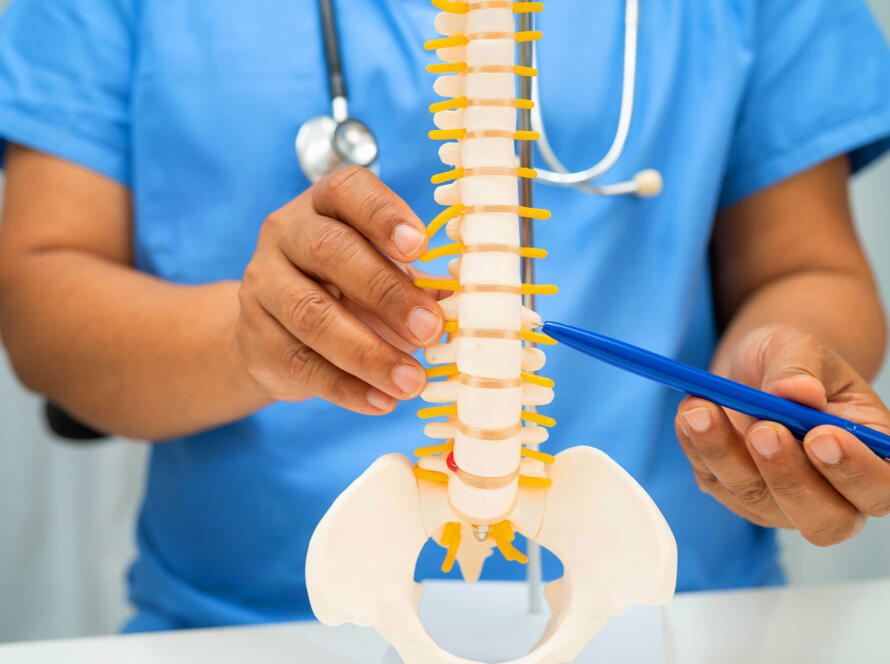
Despite the name, a disk does not actually “slip” out of place. What happens is that the soft, gel-like center of a spinal disk pushes through a crack in its tougher outer layer. Doctors call this a herniated or bulging disk, and it can press against nearby nerves.
This pressure is what causes most of the symptoms people notice. The location of the affected disk determines whether you feel pain in your neck, back, arms, or legs.
The Telltale Signs Your Body Is Sending You
Slipped disks rarely stay quiet. Your nervous system usually reacts in ways that are hard to ignore, especially once the disk starts pressing on a nerve root.
- Radiating pain: Discomfort that travels from your lower back down through the buttock and leg, often called sciatica.
- Numbness or tingling: A pins-and-needles sensation in the area served by the affected nerve.
- Muscle weakness: Difficulty lifting your foot, gripping objects, or holding weight on one leg.
- Pain that worsens with movement: Sitting, bending, twisting, or even sneezing can intensify symptoms.
- Pain that eases when lying flat: Many people find relief when they stop putting pressure on the spine.
Neck Versus Lower Back Symptoms
A herniated disk in the neck (cervical spine) tends to send pain into the shoulder and down the arm, sometimes reaching the fingers. A herniated disk in the lower back (lumbar spine) usually sends pain into the hip, thigh, and calf.
Either way, the pattern is the same: the pain follows the path of the compressed nerve rather than staying in one small spot.
When the Pain Doesn’t Fit a Clear Pattern
Not every case is textbook. Sometimes people feel widespread discomfort that seems to move around or affect multiple areas at once, making it harder to pinpoint a single nerve root. If your pain feels vague, shifting, or difficult to locate, it may help to read about diffuse pain and how it differs from the more localized, nerve-specific pain typically caused by a slipped disk.
Understanding this distinction matters because treatment approaches differ significantly depending on whether pain is isolated to a nerve pathway or spread across the body.
Red Flags That Need Immediate Attention
Most slipped disks are uncomfortable but not dangerous. However, certain symptoms signal a medical emergency and should never be ignored.
- Loss of bladder or bowel control
- Numbness in the inner thighs or groin area
- Sudden, severe weakness in both legs
- Progressive weakness that worsens rapidly
These signs may point to cauda equina syndrome, a rare but serious condition requiring emergency care.
How Doctors Confirm a Slipped Disk
Self-assessment can point you in the right direction, but only a proper evaluation confirms the diagnosis. Physicians typically combine several methods.
- Physical exam: Testing reflexes, muscle strength, and range of motion.
- Straight leg raise test: Checking if raising your leg triggers nerve pain.
- Imaging: MRI scans give the clearest view of disk damage and nerve compression.
- Nerve conduction studies: Occasionally used to measure how well signals travel through affected nerves.
Why Early Evaluation Matters
Catching a slipped disk early often means more treatment options and a faster path to relief. Waiting too long can allow inflammation and nerve irritation to worsen, sometimes bringing on leg swelling that makes recovery even slower.
What You Can Do While You Wait for Answers
While you work toward a diagnosis, a few strategies may ease your discomfort in the meantime.
- Avoid prolonged sitting or heavy lifting
- Apply ice during the first 48 hours, then switch to heat
- Practice gentle stretching if it does not increase pain
- Maintain good posture, especially when working at a desk
These steps will not cure a herniated disk, but they can help manage symptoms while you pursue a proper diagnosis.
Final Thoughts
A slipped disk usually announces itself through a fairly recognizable pattern: localized pain that radiates outward, numbness or tingling along a nerve pathway, and weakness that gets worse with certain movements. Paying attention to how your symptoms behave, especially where they travel and what triggers them, gives you valuable clues before you even see a specialist.
If your symptoms feel unusual, widespread, or difficult to pin down, it is worth exploring whether something beyond a simple disk issue could be at play. Either way, listening closely to your body’s signals is the first step toward getting the right diagnosis and the right relief.
Frequently Asked Questions
Can a slipped disk heal on its own?
Yes, many mild to moderate cases improve within six to twelve weeks through rest, physical therapy, and conservative care.
Is walking good or bad for a slipped disk?
Light walking is often beneficial because it promotes blood flow and prevents stiffness, as long as it does not worsen your pain.
What does slipped disk pain feel like compared to normal muscle soreness?
Disk-related pain often radiates along a specific nerve pathway and may include numbness or tingling, while muscle soreness usually stays localized and feels more like tightness or aching.
Can stress make slipped disk symptoms worse?
Stress can increase muscle tension around the spine, which may intensify nerve compression symptoms and make pain feel more severe.
Should I see a specialist right away or try home care first?
Mild symptoms may respond to home care initially, but persistent pain, weakness, or numbness lasting more than a few days warrants a professional evaluation.