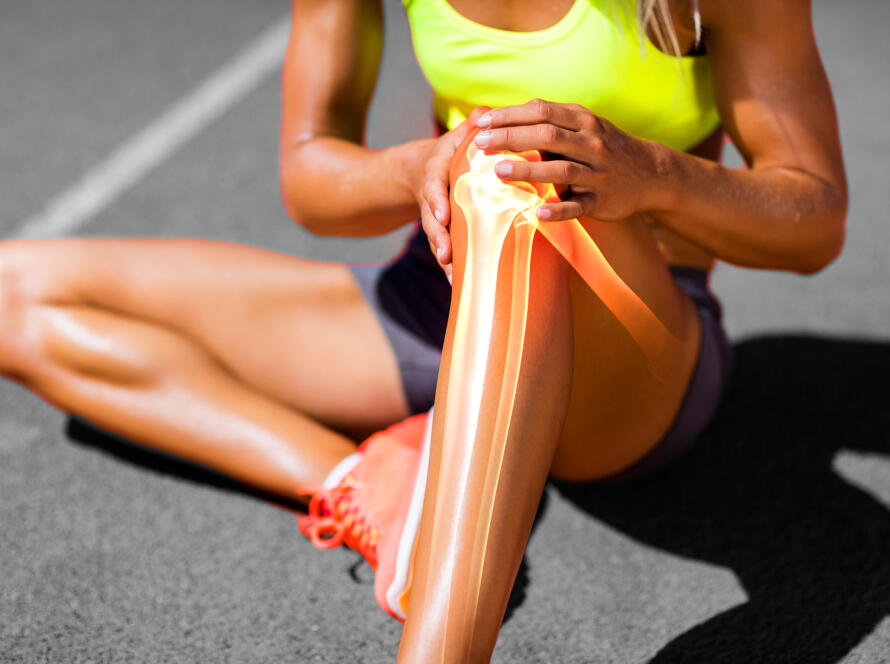
Your knees have carried you through decades of walking, climbing, and squatting, but when arthritis sets in, certain movements can quietly do more harm than good. The frustrating part? Many people keep doing the exact exercises that make their knee arthritis worse, simply because no one told them otherwise. Knowing which movements to avoid is just as important as knowing which ones to embrace.
What Exercises Should You Avoid With Knee Arthritis?
Avoid high-impact activities like running, jumping, deep squats, and lunges with knee arthritis. These movements place excessive compressive force on damaged cartilage. Also skip stair climbing machines, full-range leg extensions with heavy resistance, and twisting sports like tennis or basketball, which can accelerate joint deterioration and increase pain and swelling.
Living with knee arthritis doesn’t mean giving up on fitness altogether. It means being strategic about which movements protect your joints and which ones quietly chip away at them.
Why Some Exercises Make Knee Arthritis Worse
Arthritic knees have already lost some of their protective cartilage. When you add repetitive impact or excessive load, you’re essentially grinding bone against bone with less cushioning to absorb the shock.
This friction triggers inflammation, swelling, and often a spike in pain, sometimes showing up as leg cramps or pain that lingers for days. Over time, the wrong exercises don’t just cause discomfort, they can speed up joint degeneration and limit your mobility even further.
High-Impact Exercises to Avoid
High-impact movements are the biggest culprits when it comes to aggravating knee arthritis. These activities involve repetitive pounding that stresses already compromised joints.
- Running or jogging on pavement or treadmills
- Jumping exercises, including plyometrics and jump rope
- High-intensity interval training (HIIT) with explosive movements
- Kickboxing or contact sports that involve sudden pivots
If you love cardio, swapping these for lower-impact alternatives can keep your heart rate up without punishing your joints.
Deep Bending and Squatting Movements
Deep knee flexion dramatically increases pressure on the joint surfaces, especially the kneecap area. While bodyweight squats aren’t inherently bad, going too deep or adding heavy resistance can be problematic.
- Full deep squats below 90 degrees
- Lunges with excessive forward knee travel
- Leg press machines set to a deep range of motion
- Kneeling or crawling exercises that compress the joint directly
Modifying these movements to a shallower range, or avoiding them entirely during flare-ups, can make a significant difference.
Twisting and Pivoting Activities
Sports and exercises that involve quick directional changes put rotational stress on the knee ligaments and meniscus. This is particularly risky for anyone with existing cartilage damage.
- Tennis, racquetball, or badminton
- Basketball or soccer
- Certain dance styles with rapid pivots
- Skiing or snowboarding
These activities are fun, but they’re often too unpredictable for arthritic joints to handle safely.
Machine Exercises That May Backfire
Not every gym machine is knee-friendly, even though they seem controlled and low-risk. Some actually isolate the knee joint in ways that increase strain.
- Leg extension machines with heavy weight
- Stair climbers or step mills
- Deep-range leg press
These machines isolate the quadriceps in a way that places direct shear force on the kneecap, which can worsen pain over time.
What You Should Do Instead
Avoiding harmful exercises is only half the equation. Replacing them with joint-friendly alternatives helps you stay active while protecting cartilage.
- Swimming or water aerobics for zero-impact cardio
- Cycling on a stationary or recumbent bike
- Elliptical training with a smooth, gliding motion
- Gentle yoga or tai chi for flexibility and balance
- Partial range strength training focusing on quads and glutes
These options build strength and endurance without the jarring impact that aggravates arthritic joints.
When Pain Persists Despite Modifications
Sometimes even the safest exercises still trigger discomfort, especially in moderate to severe arthritis cases. When home modifications aren’t enough, it may be time to explore professional support.
Understanding how pain management actually works for your body can help you figure out whether your discomfort requires more targeted treatment beyond exercise adjustments alone. A tailored approach often combines movement therapy with other strategies to keep you functional and comfortable.
Signs You Need to Stop an Exercise Immediately
Your body usually gives warning signs before real damage occurs. Learning to recognize these signals can prevent a minor flare-up from becoming a major setback.
- Sharp or stabbing pain during movement
- Swelling that appears within hours of exercising
- A grinding or catching sensation in the joint
- Instability or the knee “giving way”
- Pain that lingers more than 48 hours after activity
If any of these occur, stop the activity and give your joint time to recover before trying again.
Frequently Asked Questions
Is walking bad for knee arthritis?
No, walking is generally safe and often recommended. It’s low-impact and helps lubricate the joint, though you should avoid uneven terrain or excessive distances that cause pain.
Can I still lift weights with knee arthritis?
Yes, but focus on controlled, partial-range movements rather than deep squats or heavy leg presses. Strengthening surrounding muscles helps support and stabilize the joint.
How do I know if an exercise is too hard on my knees?
If you experience sharp pain, swelling, or discomfort lasting more than a day or two after activity, it’s likely too much stress on the joint.
Should I stop exercising completely during a flare-up?
Not necessarily. Gentle, low-impact movement like swimming or stretching can actually help reduce stiffness, but high-impact or heavy-resistance activities should be paused.
Final Thoughts
Managing knee arthritis isn’t about giving up movement, it’s about choosing the right kind. Avoiding high-impact, deep-bending, and twisting exercises protects your joints from unnecessary stress while still allowing you to stay active and strong. Pair smart exercise choices with attentive care, and you’ll give your knees the best chance at long-term function and comfort.