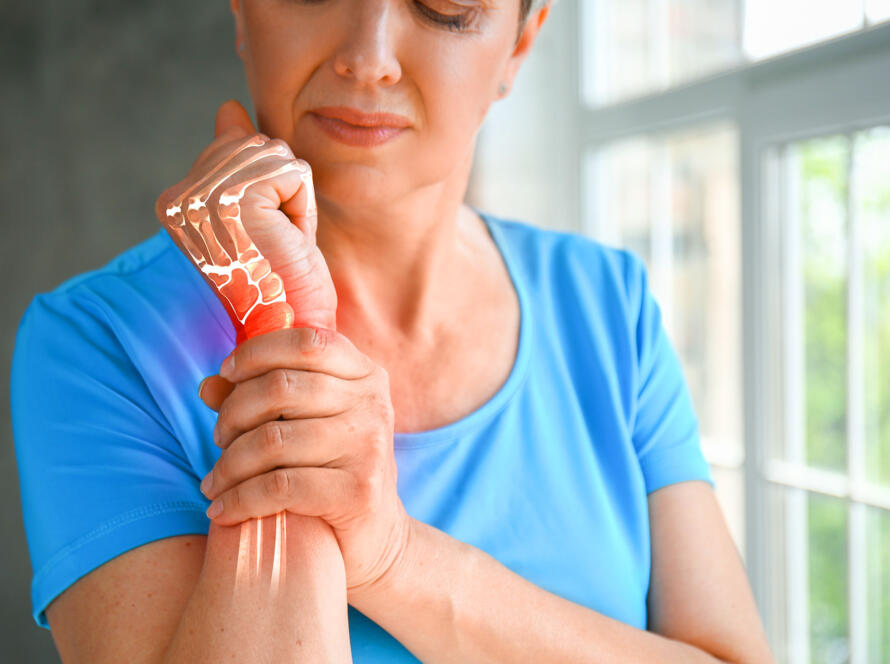
How to Get Rid of Knee Pain Fast
Start here: what kind of knee pain are you dealing with?
Knee pain is not one thing. It can be a sharp catch when you go down stairs, a deep ache that builds over the course of the day, stiffness that’s worst first thing in the morning, or swelling that appears after a long walk. Each of those patterns points to something different, and what helps one type can do very little for another.
Getting relief faster usually comes down to identifying which category your pain falls into rather than reaching for a generic fix. Many people dealing with persistent knee discomfort also find it useful to work with a pain specialist early rather than cycling through self-treatment attempts that address the wrong thing. This article walks through the main causes, what to do about each, and how to recognize when the pain is telling you something that needs professional attention.
Fast relief is possible for most types of knee pain, but lasting relief requires understanding why the pain is there in the first place. Short-cutting that step is why so many people end up dealing with the same problem on repeat.
The most common causes of knee pain and what they feel like
Pinpointing the cause of knee pain is the first step toward doing something useful about it. These are the patterns that come up most often.
It’s also worth knowing that not all lower limb pain comes from the joint itself. Conditions affecting circulation, including vein problems that often go unnoticed, can produce leg aching and heaviness that closely mirrors joint pain. Sorting out the source matters before committing to a treatment approach.
What does arthritis in the knee look like?
Arthritis is one of the most searched and most misunderstood causes of knee pain, so it’s worth covering in detail. What does arthritis in the knee look like from the outside, and what does it feel like from the inside?
Signs that arthritis in knee may be present
- Visible swelling or puffiness around the joint, particularly after activity or by end of day
- The knee may appear broader or more squared off than the unaffected side
- Bony enlargements or knobbing around the joint line in more advanced cases
- Warmth or redness over the joint during flare-ups
- A grinding or crunching sensation with movement, known as crepitus
- Noticeable stiffness for 20 to 30 minutes after waking that gradually eases
- Alignment changes over time, such as the knee bowing inward or outward
What does arthritis in the knee look like on imaging? X-rays typically show narrowing of the joint space where cartilage has worn down, bone spurs at the joint margins, and sometimes bone cysts just below the cartilage surface. A clinical exam combined with imaging remains the most reliable route to a clear diagnosis.
What age can arthritis begin?
Earlier than most people expect. What age can arthritis begin depends heavily on the type. Osteoarthritis, the most common form in the knee, typically develops from the mid-40s onward, but it can appear in the 30s in people with a history of joint injury, repetitive high-impact activity, or a genetic predisposition. Inflammatory arthritis, such as rheumatoid arthritis, has no age floor and can affect people in their 20s or younger. Early joint pain that doesn’t fit a clear overuse pattern is worth taking seriously rather than waiting out.
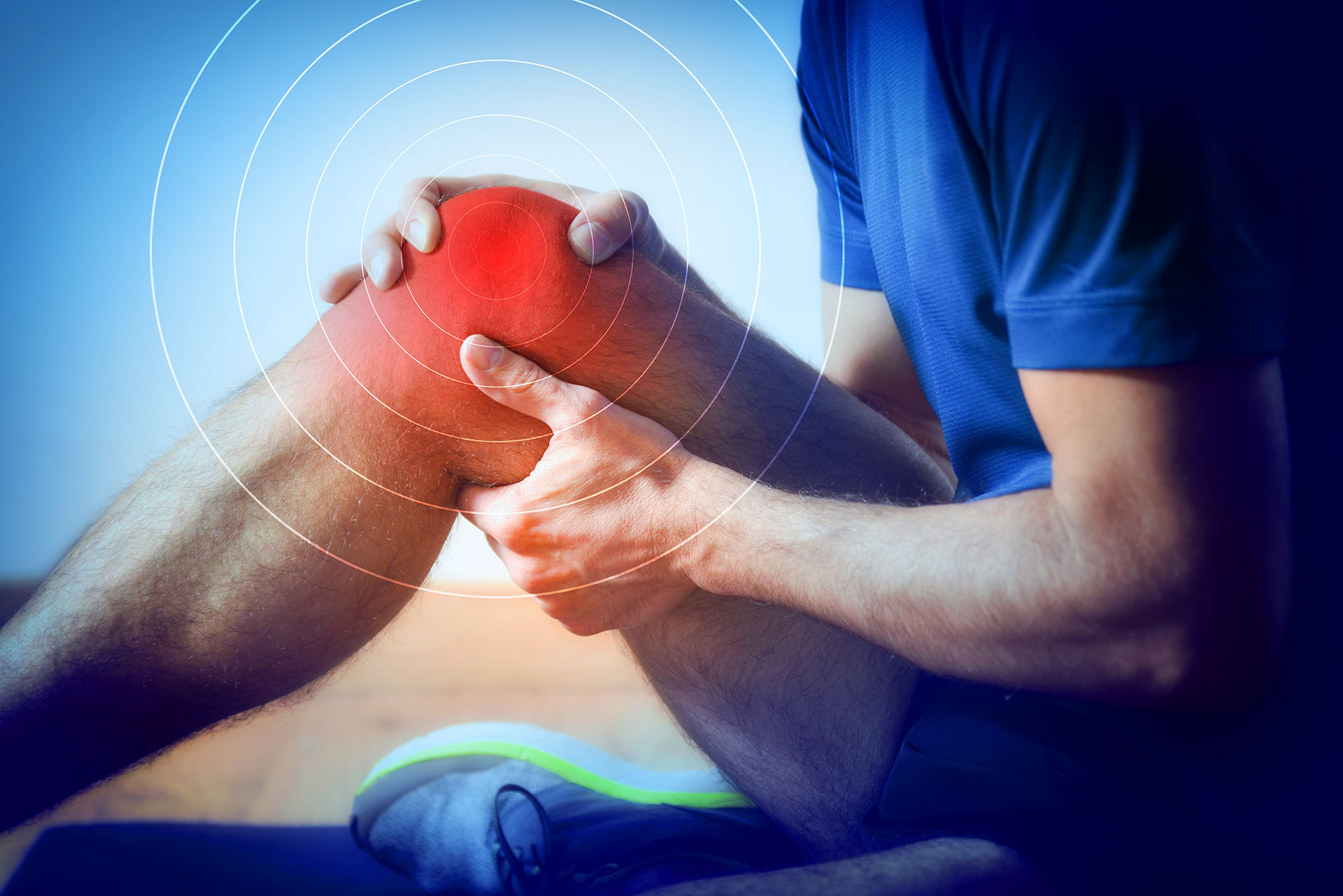
How to relieve hip and knee pain: approaches that actually work
Hip and knee pain frequently travel together because the two joints share load and movement patterns. Weakness at the hip, particularly in the glutes and hip abductors, changes how force is distributed through the knee with every step. Knowing how to relieve hip and knee pain together, rather than treating them as separate problems, tends to produce better outcomes. People who have already gone through a course of treatment without full resolution often benefit from understanding their available next steps before assuming nothing more can be done.
Ice is appropriate for acute swelling and inflammation, particularly after activity or injury. Apply for 15 to 20 minutes with a cloth barrier. For stiffness without swelling, heat relaxes the surrounding muscles and increases circulation. Choosing correctly makes a real difference to how quickly you get relief.
This is probably the single most evidence-backed intervention for both knee and hip pain. Clamshells, side-lying leg raises, single-leg deadlifts, and step-downs all address the muscle patterns that protect the knee during movement. Results take a few weeks to show but tend to be durable.
Total rest rarely speeds recovery and often slows it. A better approach is lowering the activity that provokes pain by around 30 to 50 percent, maintaining low-impact movement like swimming or cycling, and gradually rebuilding tolerance over weeks rather than days.
Each additional pound of body weight adds roughly four pounds of force through the knee during walking. Weight management has a measurable impact on knee pain, particularly for arthritis, and is often underemphasized relative to other interventions.
If self-management hasn’t produced progress after four to six weeks, consulting a pain specialist allows for a more complete picture. Imaging, targeted injection therapies, and structured rehabilitation can each play a role depending on what’s actually driving the pain.
When knee pain is pointing to something beyond the joint
Knee pain is sometimes a local problem. But it can also be a signal from a broader system that needs attention. Poor circulation in the legs can produce aching, heaviness, and pain that closely mimics musculoskeletal knee pain but doesn’t respond to the usual approaches. The vein dangers associated with untreated venous conditions are worth understanding if leg discomfort is accompanied by visible veins or end-of-day swelling.
Night-time symptoms are another useful signal. Leg cramps that occur while you sleep alongside daytime knee pain can share underlying triggers, including circulatory problems, electrolyte imbalance, or lumbar nerve irritation that runs through the knee and into the lower leg. Treating each symptom in isolation without looking at the full picture often produces incomplete results.
If prior treatment has left questions unanswered, or if symptoms have returned after a period of improvement, understanding what next steps are available, including second opinions and specialist referrals, is a worthwhile starting point.
- Sudden significant swelling following an injury or impact
- A popping sensation at the time of injury followed by instability
- Inability to bear weight or straighten the leg fully
- Redness, warmth, and fever (possible infection or inflammatory arthritis flare)
- Pain that is severe at rest or that wakes you from sleep
Frequently asked questions
A specialist can identify what’s driving it and build a treatment plan around your actual situation.