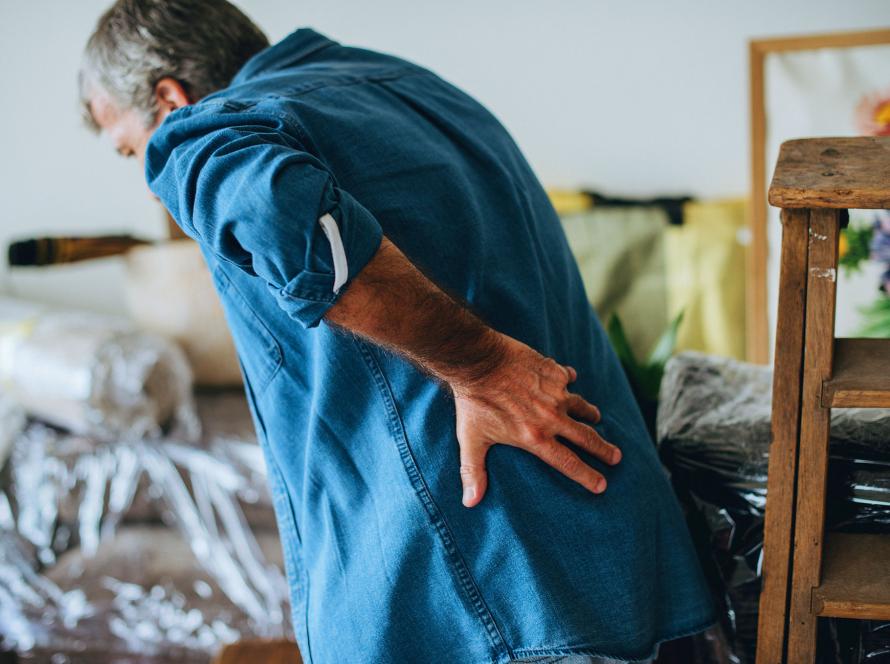
That nagging ache in your calves after a long day. The sharp, shooting pain that wakes you up at night. The relentless throbbing that makes climbing stairs feel like scaling Everest. If your legs have been staging a quiet rebellion against you, you’re definitely not alone, and the good news is that effective leg pain relief is closer than you think.
Leg pain is one of those sneaky health issues that can stem from dozens of causes, ranging from harmless muscle fatigue to more serious circulatory or nerve conditions. Understanding the “why” behind your discomfort is the first step toward making it stop, for good.
How Can I Relieve Leg Pain Fast?
To relieve leg pain fast, apply the R.I.C.E. method (Rest, Ice, Compression, Elevation) within the first 48 hours. Combine this with gentle stretching, over-the-counter anti-inflammatories, and proper hydration. For persistent or nerve-related pain, heat therapy and magnesium supplements can offer rapid, noticeable relief.
What’s Really Causing Your Leg Pain?
Before chasing relief, it pays to play detective. Leg pain rarely happens without a reason, and pinpointing the source can dramatically change your treatment strategy.
Muscular Causes
- Cramps and spasms: Often triggered by dehydration, electrolyte imbalances, or overuse.
- Strains and sprains: Common in athletes or after sudden physical exertion.
- Delayed-onset muscle soreness (DOMS): That deep ache that hits 24 to 48 hours post-workout.
Nerve-Related Causes
- Sciatica: A pinched nerve in the lower back radiating pain down the leg.
- Peripheral neuropathy: Often linked to diabetes, producing burning or tingling sensations.
- Restless leg syndrome: An uncomfortable urge to move the legs, especially at night.
Circulatory Causes
- Varicose veins: Bulging veins that ache and throb after prolonged standing.
- Deep vein thrombosis (DVT): A serious condition requiring immediate medical attention.
- Peripheral artery disease (PAD): Reduced blood flow leading to cramping during activity.
Proven At-Home Strategies for Leg Pain Relief
Most leg pain responds beautifully to simple at-home interventions, especially when you act early. Here’s what actually works.
🧊 Cold Therapy
Apply an ice pack for 15 to 20 minutes every few hours during the first 48 hours after injury. Cold constricts blood vessels, reducing inflammation and numbing sharp pain signals.
🔥 Heat Therapy
After the initial swelling subsides, switch to heat. A warm bath, heating pad, or hot water bottle relaxes tight muscles and boosts circulation to promote healing.
🧘 Gentle Stretching
Calf raises, hamstring stretches, and yoga poses like downward dog improve flexibility and prevent recurrence. Hold each stretch for 30 seconds without bouncing.
💧 Hydration & Nutrition
Dehydration is a sneaky culprit behind muscle cramps. Pair plenty of water with magnesium, potassium, and calcium-rich foods like bananas, spinach, and almonds.
Lifestyle Tweaks That Make a Big Difference
Sometimes the secret to lasting leg pain relief isn’t found in a bottle or a heating pad. It’s hiding in your daily routines.
- Move more frequently: Sitting for hours restricts blood flow. Set a timer to stand and walk every 30 to 45 minutes.
- Upgrade your footwear: Worn-out shoes alter your gait and stress your legs. Replace running shoes every 300 to 500 miles.
- Sleep with elevated legs: Propping your legs on a pillow encourages venous return and reduces morning stiffness.
- Try compression socks: They support circulation and reduce swelling, especially for those who stand all day.
- Maintain a healthy weight: Every extra pound adds about four pounds of pressure on your knees.
When Leg Pain Might Signal Something Bigger
Not all leg pain is created equal. Sometimes, the discomfort you feel below the waist is connected to a broader nervous system or vascular issue.
Seek prompt medical attention if you notice:
- Sudden swelling, redness, or warmth in one leg
- Severe pain that prevents weight-bearing
- Numbness, weakness, or tingling that won’t subside
- Pain accompanied by shortness of breath or chest discomfort
- Visible deformity or an open wound
Medical Treatments Worth Considering
When home remedies fall short, professional treatments can step in. Options vary based on the underlying cause, but commonly include:
Non-Invasive Therapies
- Physical therapy: Targeted exercises strengthen weak muscles and correct imbalances.
- Massage therapy: Releases muscle tension and improves circulation.
- Acupuncture: Growing evidence supports its role in chronic pain management.
Medical Interventions
- Prescription medications: For nerve pain, doctors may prescribe gabapentin or similar drugs.
- Nerve blocks: Injected anesthetics that interrupt pain signals.
- Vascular procedures: For varicose veins or PAD, minimally invasive treatments restore healthy blood flow.
Frequently Asked Questions
Why do my legs hurt more at night?
Nighttime leg pain often stems from reduced circulation when lying still, accumulated daytime fatigue, or conditions like restless leg syndrome. Lower cortisol levels at night can also make pain feel more intense.
Can dehydration really cause leg pain?
Absolutely. When you’re dehydrated, your muscles lack the electrolytes needed for proper contraction, leading to cramps, spasms, and overall achiness. Aim for at least eight glasses of water daily.
Is walking good or bad for leg pain?
For most types of leg pain, gentle walking is beneficial. It boosts circulation, releases endorphins, and prevents stiffness. However, if walking sharply worsens your pain, rest and consult a doctor.
How long should leg pain last before I see a doctor?
If your leg pain persists beyond two weeks despite home treatment, worsens over time, or is accompanied by swelling, numbness, or skin changes, schedule a medical evaluation.
Do compression socks really help?
Yes, especially for people with circulation issues, varicose veins, or those who stand for long periods. They gently squeeze the legs to encourage upward blood flow and reduce swelling.
Can stress cause leg pain?
Stress can absolutely manifest physically. Chronic tension tightens muscles throughout the body, including the legs, and can intensify pain perception through the nervous system.
Your Path to Pain-Free Legs
Leg pain relief isn’t about finding one magic solution. It’s about combining smart daily habits, targeted home remedies, and knowing when to call in professional help. Start with the basics: hydrate well, stretch regularly, wear supportive footwear, and listen to what your body is telling you.
Most importantly, don’t ignore persistent or worsening pain. Your legs carry you through life, and they deserve attention when they’re calling for help. With the right approach, you can move freely, sleep peacefully, and reclaim the activities you love, one confident step at a time.