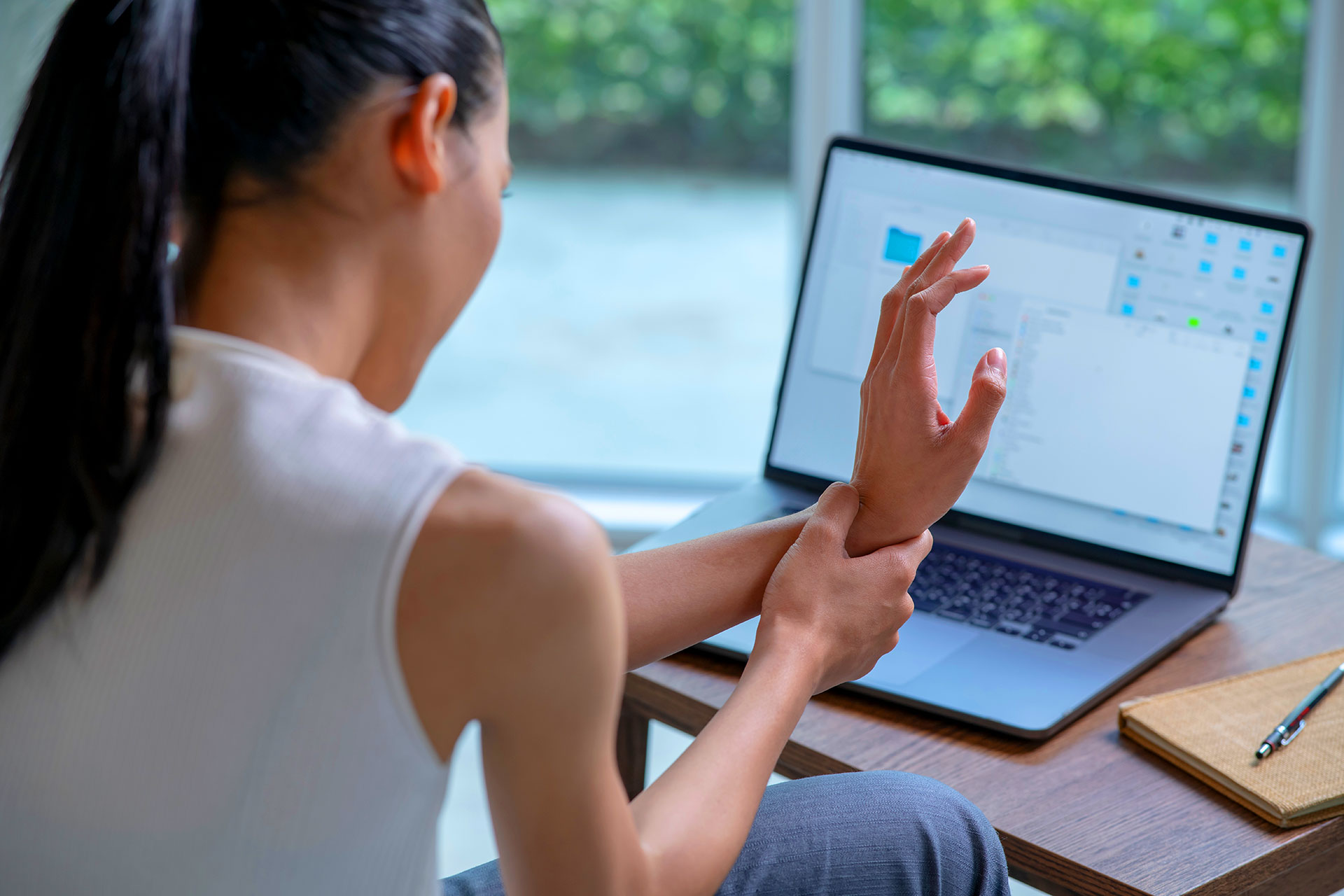
Short Anatomy of the Elbow Joints
The elbow is the joint that connects the upper arm bone and two forearm bones. It contains blood vessels and nerves. Our elbow consists of nerves, bones, ligaments, and tendons. Ligaments are dense fibers of soft tissue. Ligament injuries commonly cause physical activity limitation due to injury or when playing sports
Symptoms of Elbow Sprains
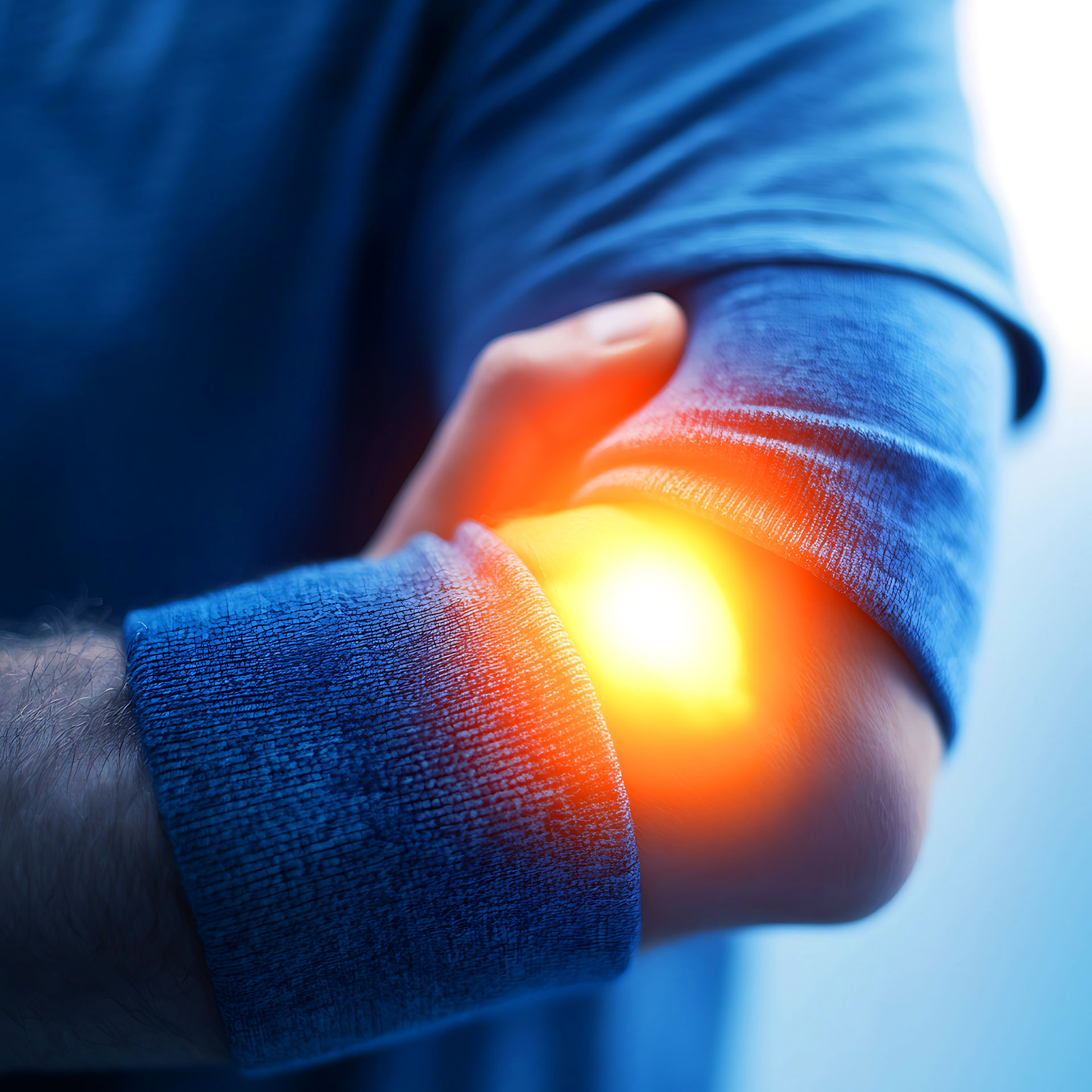
The symptoms of an elbow sprain are very similar to fracture symptoms, so it is easy to be confused without a specialized examination. The common symptoms of elbow strain and sprain include:
- Sharp elbow pain aggravated by movement and pressure on the damaged ligament
- Difficulty moving the elbow
- When a ligament is injured, it can cause soft tissue damage. For the same reason, a feeling of numbness in the area around the elbow may occur.
- Swelling, redness, and increased skin temperature in the injured area
- Movements limitation
- The appearance of a hematoma in the area of the elbow sprain
- When a ligament is sprained, unlike a rupture, hematomas do not always form; they often look like subcutaneous bruises
- When the ligament sprain occurs, a characteristic pop appears. But this happens less often than with a complete rupture of the ligament.
Diagnosis Methods of Elbow Sprains
Diagnosing an elbow sprain involves a physical examination and imaging tests to determine the extent of the injury accurately. Sometimes, it is necessary to diagnose an elbow sprain to understand the problem more accurately.
The tests that will help assess the situation:
- X-ray of the elbow
- Ultrasound
- MRI for difficult diagnostic cases
Only a professional doctor can answer whether it is a sprain or a rupture based on examination and additional diagnostics.
Another effective treatment method is the use of physical therapy. A physical therapist can help you choose exercises to strengthen the muscles and ligaments around your elbow to reduce pain, heal elbow sprain, and restore arm functionality.
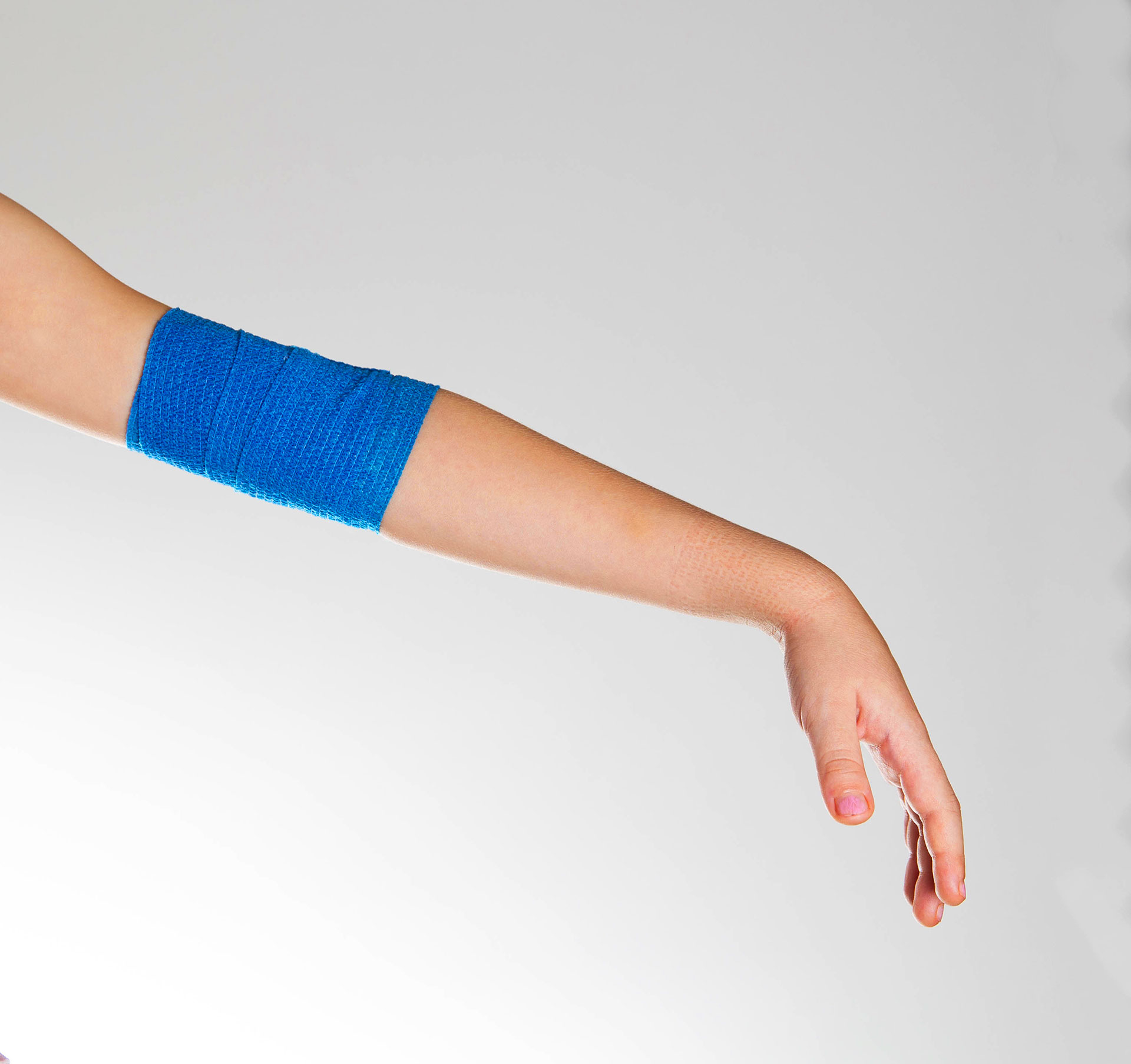
It is essential to support the elbow and reduce swelling by using an elastic bandage. Try to avoid using the affected elbow for a couple of weeks. Torn ligaments or more severe injuries may require surgery. However, most often, a mild sprain can be managed by following your doctor’s recommendations and avoiding contact sports for a few weeks.
Arthroscopic Techniques to Treat an Elbow Sprain
Elbow arthroscopy is a minimally invasive elbow surgery that does not require cutting through soft tissue. Through small punctures in the skin, a special device with a camera – an arthroscope – is inserted into the joint cavity, with the help of which the surgeon can examine the joint from the inside.
Treatment Options for Elbow Strain and Sprain
Your medical history will help a physical therapist develop the best treatment plan for rehabilitating your elbow sprains.
Elbow inflammation creates severe pain and swelling in and around the elbow. If you feel a severe elbow sprain, you can use any noninvasive sprained elbow treatments. It can be rest, ice packs, pain relievers, and bandages.
Treatment tactics are simple: reduce swelling and pain and restore mobility. Non-inflammatory treatments can be used depending on the intensity of the pain in the sprained elbows. It can be gels, ointments, creams, tablets, and suppositories. Duration of the course: 6 to 8 days, not more. You can reduce swellings by using an ice pack for 10–15 minutes every 3–4 hours. Place your hand high in the first days after elbow injury
Prevention of Elbow Sprains
To prevent yourself from repetitive accidence of elbow sprains, there are some strategies for you:
- Regular Physical Therapy. Special exercises strengthen muscles and increase their elasticity, avoiding possible injuries.
- Early Recognition of Pain. Be attentive to sudden pain, sprain, or other unusual feelings in your arm.
- Proper Arm Care. Be mindful about arm movements and support the elbow during physical activity.
- Muscles Strengthening. Special exercises to strengthen the forearm muscles will help improve the structure of the ligaments and tendons.
- Maintaining Flexibility. Forearm and elbow stretches become an integral part of prevention. Regular stretching exercises improve flexibility and prevent possible elbow sprains during daily activities.
- Gradual Increase in Intensity. It is very important to be careful about physical activity and control the stress on the arm and forearm. Gradually increasing your training intensity helps prevent strain on the elbow ligaments.
- Always include a thorough warm-up and cool-down in your workouts. This prepares the muscles for activity and promotes optimal recovery, minimizing the risk of elbow sprain.
It is better to prevent the development of an elbow sprain than to treat it later. Try to avoid sudden, jerky motions that could strain the elbow, and practice techniques that prioritize joint safety.