Types of Injections
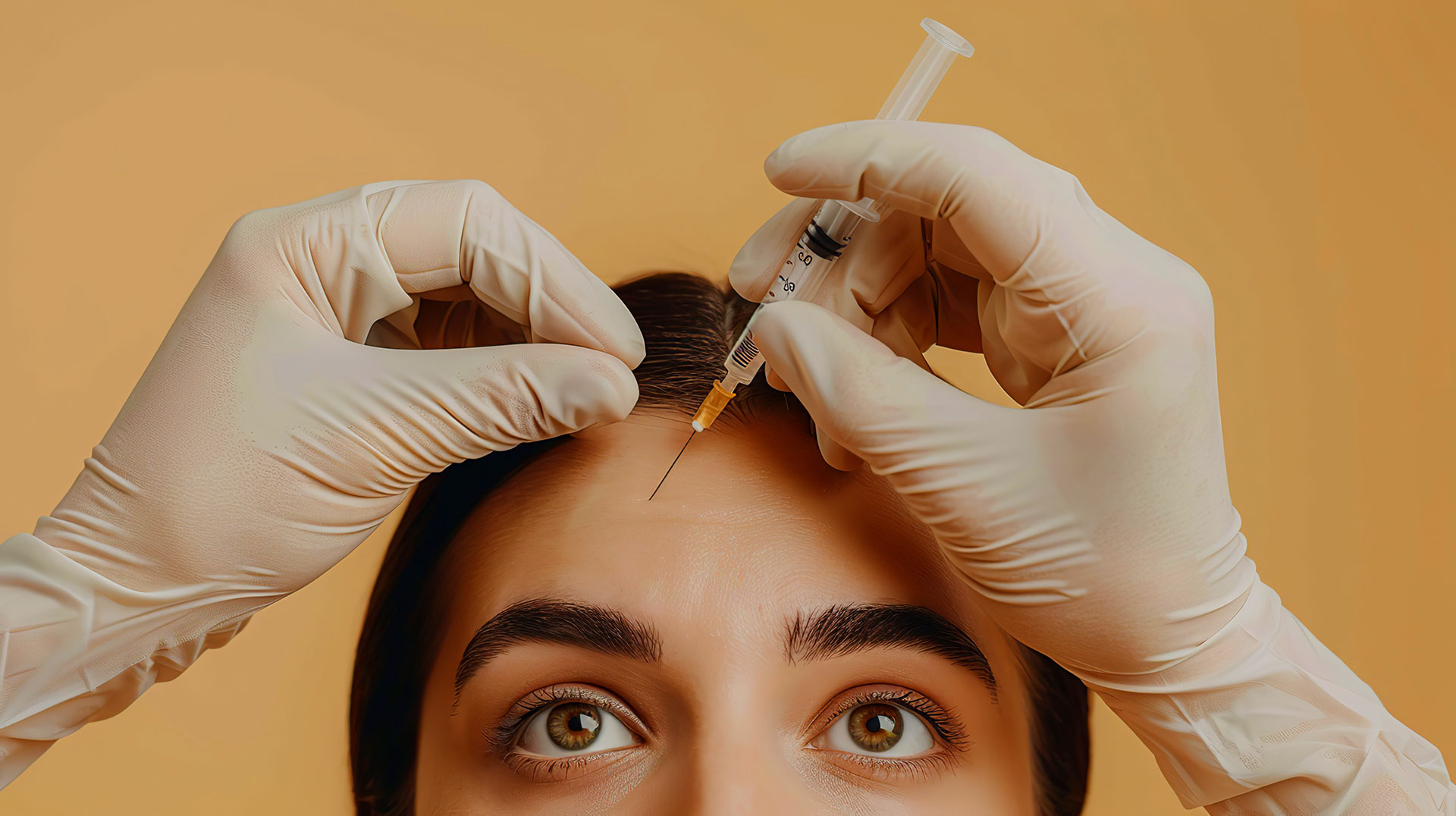
Injections are a common way to deliver medications or vaccines into a person’s body. They are administered by healthcare professionals using a needle and syringe. Let’s explore the different types of injections and how they work.
Injection Site
The doctor needs to pick the right place for injection, and that’s called the injection site. Be careful because if the injection goes to the wrong place, it might hurt your nerves or blood vessels. There are different types of injections:
- Intramuscular injection – go into your muscles
- Subcutaneous injection – go just under your skin
- Intravenous injection – go into your veins
- Intraosseous injection – goes into the bone
Intramuscular Injections
Intramuscular (IM) injections go into the muscle tissue, often in the upper arm or thigh. This type of injection is often given in places with big muscles, like your upper arm, thigh, or hip. The deltoid muscle in the upper arm is a common site for this type of injection. It’s like when you get a tiny pinch, but it helps the medicine work faster and better.
Healthcare specialists are careful. They choose the right spot so nothing nearby gets accidentally hurt. So, if you ever need an intramuscular injection, remember it’s just a quick way to get you the help you need.
Intravenous Injections
IV injections deliver the medication quickly. It goes directly into a vein and travels through the bloodstream. Healthcare professionals usually use a suitable vein, ensuring a controlled medication administration. Sometimes, they use a tiny plastic tube called a catheter to make it easier to give you the medicine. It’s like getting a unique, fast pass for the medicine to go where needed.
IV injections are often used in hospitals, especially when people need medicine fast or when they can’t take it by mouth.
Subcutaneous Injections
A subcutaneous injection is like a little shot that goes into the fatty layer beneath your skin. This type of injection is often used for things like insulin or certain vaccines. It usually doesn’t hurt much because the needle doesn’t go very deep. Sometimes, it might feel like a slight pinch, and then it’s done!
Healthcare professionals choose a good spot. It’s often in the fatty parts of your belly or the back of your arm. This way, the medicine won’t cause any problems
Intradermal Injections
An intradermal injection is like a tiny medicine hug under your skin. This type of injection is often used for things like allergy tests or checking for diseases like tuberculosis. The needle doesn’t go very deep, so it usually feels like a little poke, and then it’s done! Healthcare professionals pick a good spot on your arm or sometimes your back to ensure the medicine gets where it needs to go.
Intraosseous Injections
In emergencies, when getting medicine through veins is hard, they use intraosseous injection. It puts medicine right into the bone marrow. Bones are your body’s strong framework. Sometimes, when it’s urgent to get medicine fast, they use this method. It’s like a secret doorway into your bones for the medicine to go right where needed.
Healthcare specialists use a special needle. They put the medicine carefully into the soft part inside your bones, called the bone marrow. It might sound different, but it helps get medicine into your body fast. This is especially useful when other ways might be slower.
Injection Safety
Injection safety is about making sure everything is safe and comfy. It happens when doctors or nurses give you medicine through injections. Before giving the injection, healthcare professionals clean the area with a little alcohol wipe to keep it germ-free. They use special containers. These are called sharps containers. They throw away used needles in them safely. It’s to make sure nobody accidentally gets hurt.
When administering the medicine, they do it slowly and carefully to ensure it goes where it should. It’s like a superhero making sure they have their gear on before a mission – healthcare professionals take these steps to keep you safe and ensure the medicine helps you feel better from various illnesses.
When healthcare specialists choose the best way to give you medicine, they consider different factors. Subcutaneous tissue, the fatty layer under your skin, is a common spot for injecting certain medications.
This medication administration route is chosen because it’s usually painless and allows the medicine to be absorbed gradually. Since subcutaneous tissue has a rich blood supply, injectable medications can quickly enter the bloodstream and start working.


Best Practices in Injection Administration
Best practice in giving injections means following clear, safe guidelines so every step goes smoothly. Healthcare professionals choose the correct injection site based on the type of medication – such as placing subcutaneous injections into the fatty layer just beneath the skin or selecting the upper thigh in emergencies when medicine needs to act quickly. Cleanliness is essential, so the site is disinfected with an alcohol swab before administering the injection.
Used needles and syringes are always placed in a sharps container to prevent needlestick injuries. When multiple injections are required, each site is carefully planned and allowed to dry completely before the next shot. Providers also use techniques like the Upside Down Triangle (UDT) Rule, which helps them locate the ventrogluteal area – a safe spot on the hip commonly used for intramuscular injections. By following these practices, whether during routine care or vaccine administration, healthcare workers ensure that each injection is delivered safely, effectively, and with minimal discomfort.
Conclusion
Injections are an essential part of medical treatment, allowing for the efficient delivery of medications. Understanding the different types and safety measures ensures that injections are administered to benefit the patient’s health while minimizing risks. Healthcare providers carefully administer the medication slowly to ensure it’s absorbed properly by the body tissue.
Common sites for subcutaneous injections include areas with soft tissue where the medicine can be comfortably and effectively delivered. Whether for other medications or blood products, healthcare experts consider these factors to provide safe and effective patient treatment.