
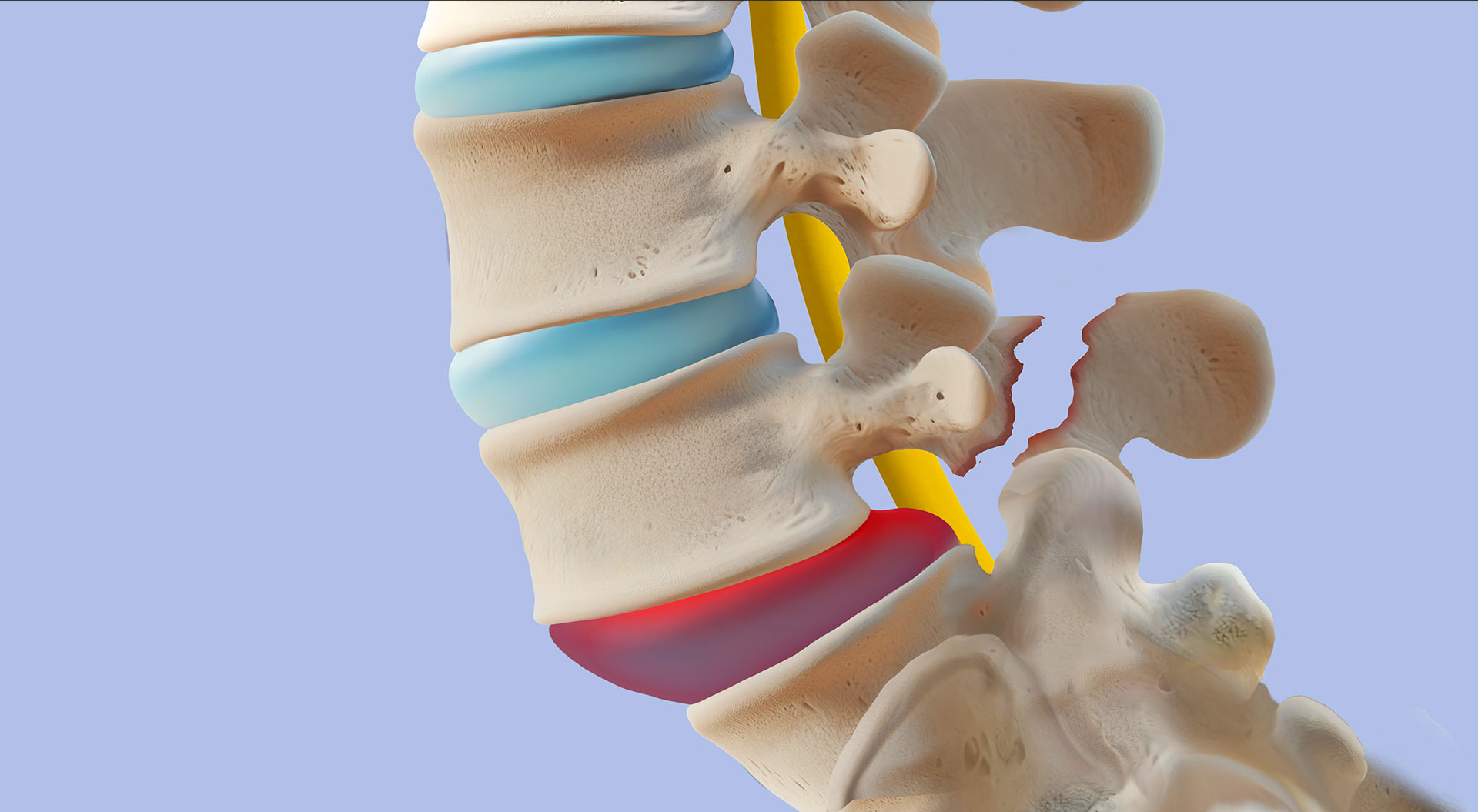
Spondylolisthesis is a spinal condition that occurs when one vertebra slips forward over the vertebra beneath it. This shift can place pressure on nearby nerves and spinal structures, leading to back pain, stiffness, and radiating symptoms into the legs. The condition most commonly affects the lower spine and may develop gradually due to degeneration or suddenly after injury. At CURA Pain Centers, we evaluate the degree of vertebral slippage and nerve involvement to provide minimally invasive treatment options designed to relieve pain and improve spinal stability.
What Causes Spondylolisthesis?
Spondylolisthesis may result from age-related degenerative changes that weaken the joints and ligaments supporting the spine. It can also develop from stress fractures, congenital abnormalities, or traumatic injury. As vertebrae shift out of proper alignment, surrounding nerves may become irritated or compressed.
Patients often experience lower back pain that worsens with standing or walking. In some cases, symptoms include leg pain, numbness, tingling, or muscle weakness due to nerve involvement. Because these symptoms can resemble other spinal conditions, careful clinical evaluation is essential for accurate diagnosis.
Our specialists assess spinal alignment, imaging findings, and neurological signs to determine the severity of slippage and guide appropriate treatment.


Minimally Invasive Treatment for Spinal Stability
At CURA Pain Centers, treatment focuses on reducing inflammation and relieving nerve compression without immediate resort to surgery. Depending on the severity and symptoms, options may include image-guided injections, nerve blocks, or other interventional therapies performed safely in-office.
These minimally invasive procedures aim to stabilize pain pathways, improve mobility, and reduce progression of symptoms. Many patients experience meaningful relief and improved function following targeted care. If persistent lower back pain or radiating leg discomfort is limiting your daily activities, early specialized evaluation can help restore stability and support long-term spinal health.
