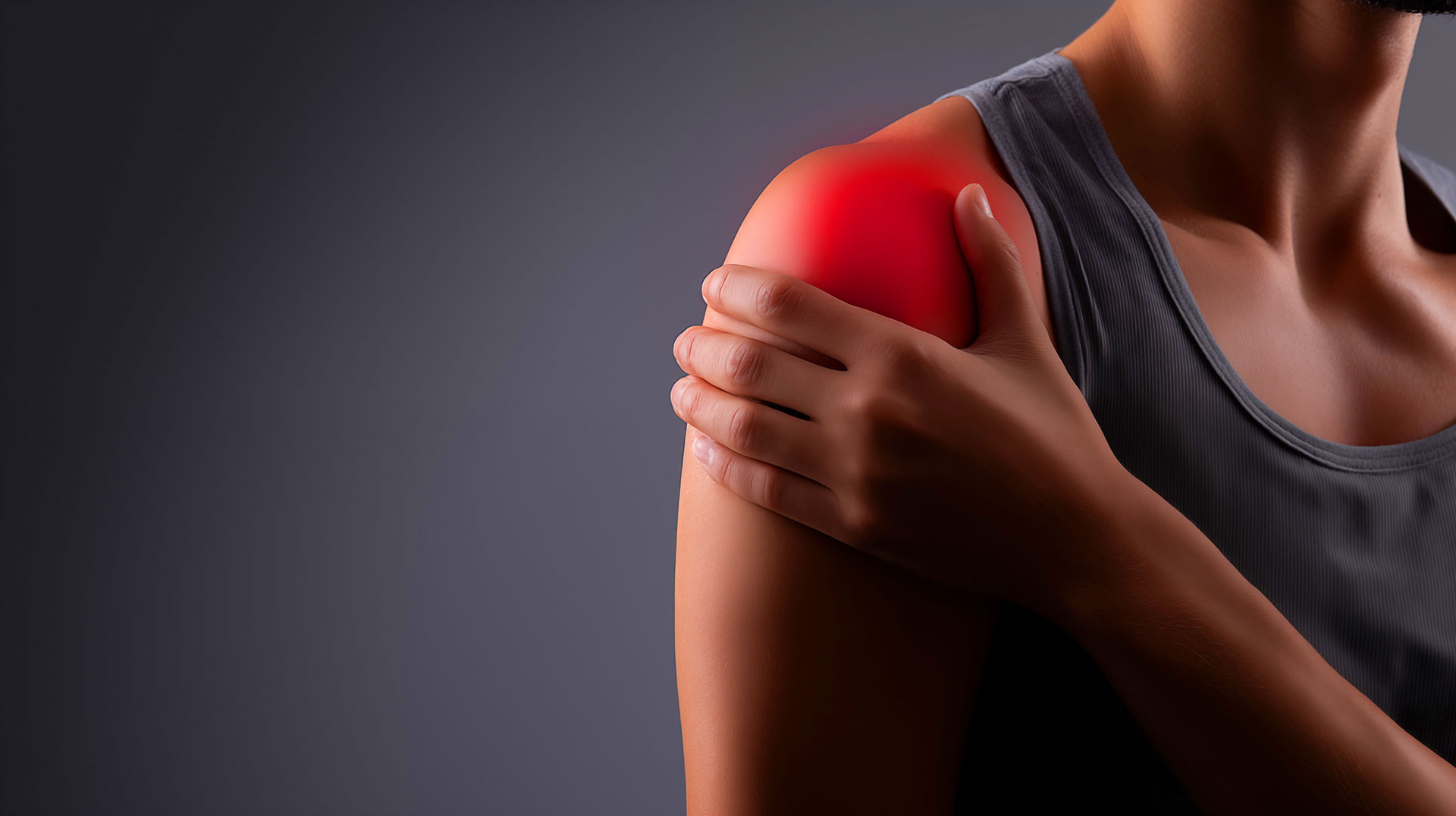
Shoulder impingement occurs when the tendons of the rotator cuff or surrounding soft tissues become compressed between the bones of the shoulder during movement. This compression can lead to inflammation, pain, and reduced range of motion. Discomfort is often felt when lifting the arm overhead or reaching behind the back. Over time, untreated impingement can contribute to tendon damage or bursitis. At CURA Pain Centers, we carefully evaluate the mechanics of the shoulder joint to provide minimally invasive treatments designed to relieve pressure and restore smooth movement
What Causes Shoulder Impingement?
Shoulder impingement commonly develops from repetitive overhead activity, muscle imbalance, poor posture, or structural changes within the joint. Bone spurs, inflammation, or rotator cuff weakness can reduce the space within the shoulder, increasing tendon compression during motion.
Patients often experience pain when raising the arm, weakness, stiffness, or a catching sensation during movement. Symptoms may gradually worsen and interfere with sleep or daily tasks. Because these signs can overlap with rotator cuff injuries or bursitis, accurate clinical evaluation is essential.
Our specialists assess joint alignment, tendon integrity, and imaging findings to determine whether mechanical compression is directly contributing to discomfort.
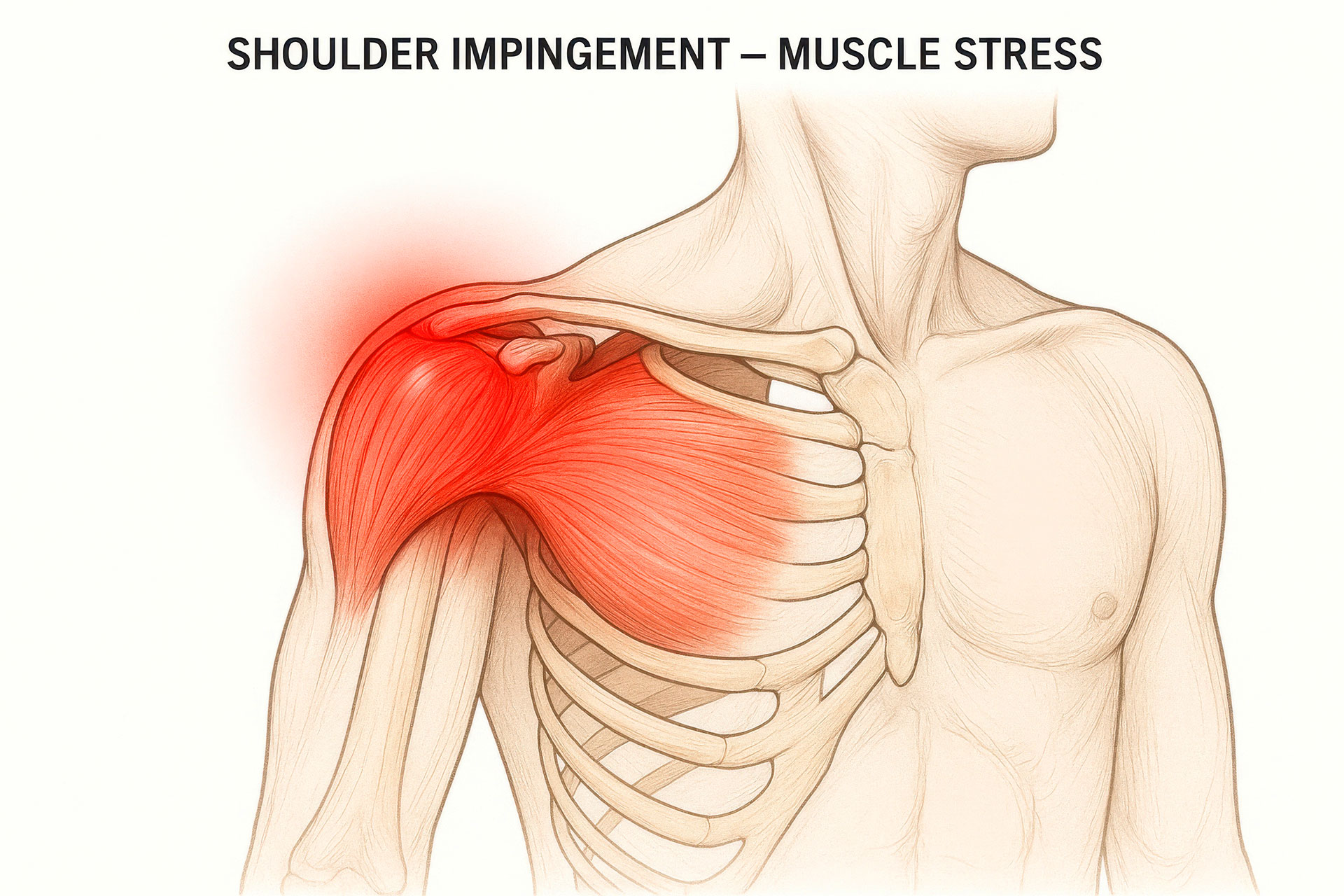

Minimally Invasive Treatment for Shoulder Impingement
At CURA Pain Centers, treatment focuses on reducing inflammation and relieving tendon compression without immediate surgery whenever possible. Depending on the severity of symptoms, options may include image-guided injections, regenerative therapies, or other targeted interventional procedures performed safely in-office.
These minimally invasive therapies aim to relieve pain, restore mobility, and prevent further tendon damage. Many patients experience meaningful improvement after appropriately directed care. If persistent shoulder discomfort is limiting your daily activities, early specialized evaluation can help support long-term joint stability.