Scoliosis is a condition characterized by an abnormal sideways curvature of the spine. While often diagnosed during adolescence, scoliosis can also develop or worsen in adulthood due to degenerative changes in the spine. Mild curvature may cause minimal symptoms, but more pronounced spinal deviation can lead to back pain, muscle imbalance, posture changes, and reduced flexibility. At CURA Pain Centers, we evaluate spinal alignment and associated nerve or joint involvement to provide minimally invasive treatments designed to relieve discomfort and improve functional stability.
What Causes Scoliosis?
Scoliosis may be idiopathic, meaning its cause is unknown, or it may result from congenital spinal abnormalities, neuromuscular conditions, or degenerative changes in adulthood. As spinal curvature progresses, uneven stress may be placed on discs, joints, and surrounding muscles, contributing to inflammation and chronic pain.
Adults with scoliosis often report aching pain in the lower or mid back, stiffness, and muscle fatigue. In some cases, nerve compression may develop, leading to radiating pain, numbness, or weakness. Because spinal curvature can affect multiple structures, accurate evaluation is essential to determine whether symptoms are related to joint degeneration, disc involvement, or nerve irritation.
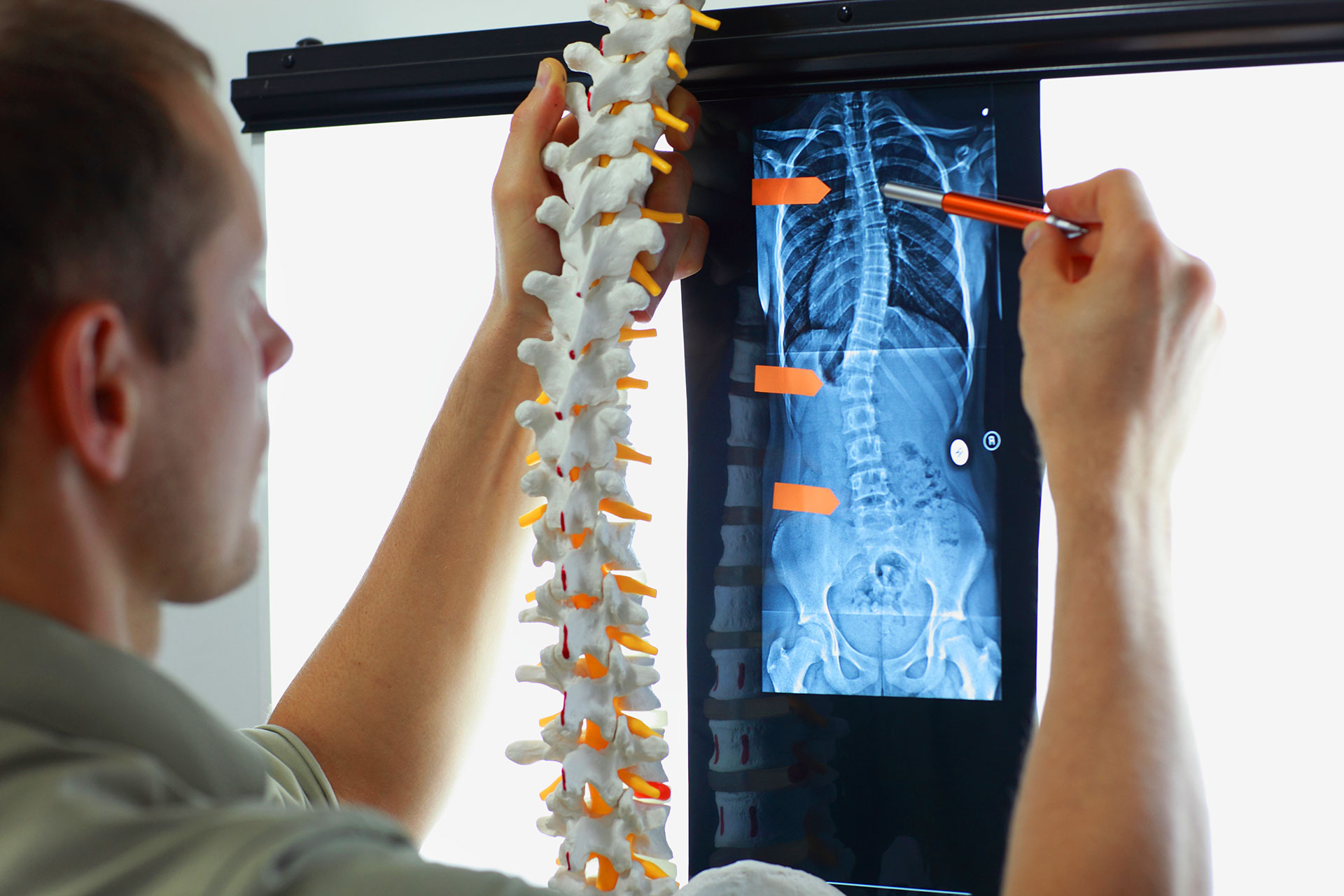
Our specialists assess spinal balance, imaging findings, and neurological function to guide a precise and individualized treatment approach.

Minimally Invasive Treatment for Spinal Alignment Pain
At CURA Pain Centers, treatment focuses on reducing inflammation and relieving pressure on affected joints and nerves. Depending on the severity and symptom presentation, options may include image-guided injections, facet joint therapies, or other interventional procedures designed to calm irritated tissues and improve spinal mechanics.
These minimally invasive treatments aim to reduce discomfort and enhance stability without unnecessary surgery. Many patients experience improved mobility and better posture control following targeted care. If scoliosis-related pain is affecting your daily function, early interventional evaluation can help manage symptoms and support long-term spinal health.