

Neck arthritis, also known as cervical osteoarthritis, develops when the protective cartilage within the joints of the cervical spine gradually wears down. As the cervical spine supports head movement and maintains flexibility, degeneration in this region can cause persistent stiffness and discomfort. Pain may remain localized in the neck or extend into the shoulders and upper back. At CURA Pain Centers, we carefully evaluate the severity of joint degeneration to provide minimally invasive treatments designed to reduce inflammation and restore mobility.
What Causes Neck Arthritis?
Neck arthritis most commonly results from age-related wear and tear affecting the facet joints and surrounding cartilage. Over time, joint space may narrow, bone spurs can develop, and inflammation may increase, leading to mechanical pain and reduced flexibility.
Patients often experience neck stiffness, aching pain with movement, decreased range of motion, or headaches originating from the cervical spine. Symptoms may gradually worsen and can become more noticeable after prolonged activity or certain head positions. Because these signs can overlap with other cervical spine conditions, accurate clinical evaluation is essential.
Our specialists assess imaging findings, joint alignment, and neurological symptoms to determine whether degenerative joint changes are directly contributing to the patient’s discomfort.

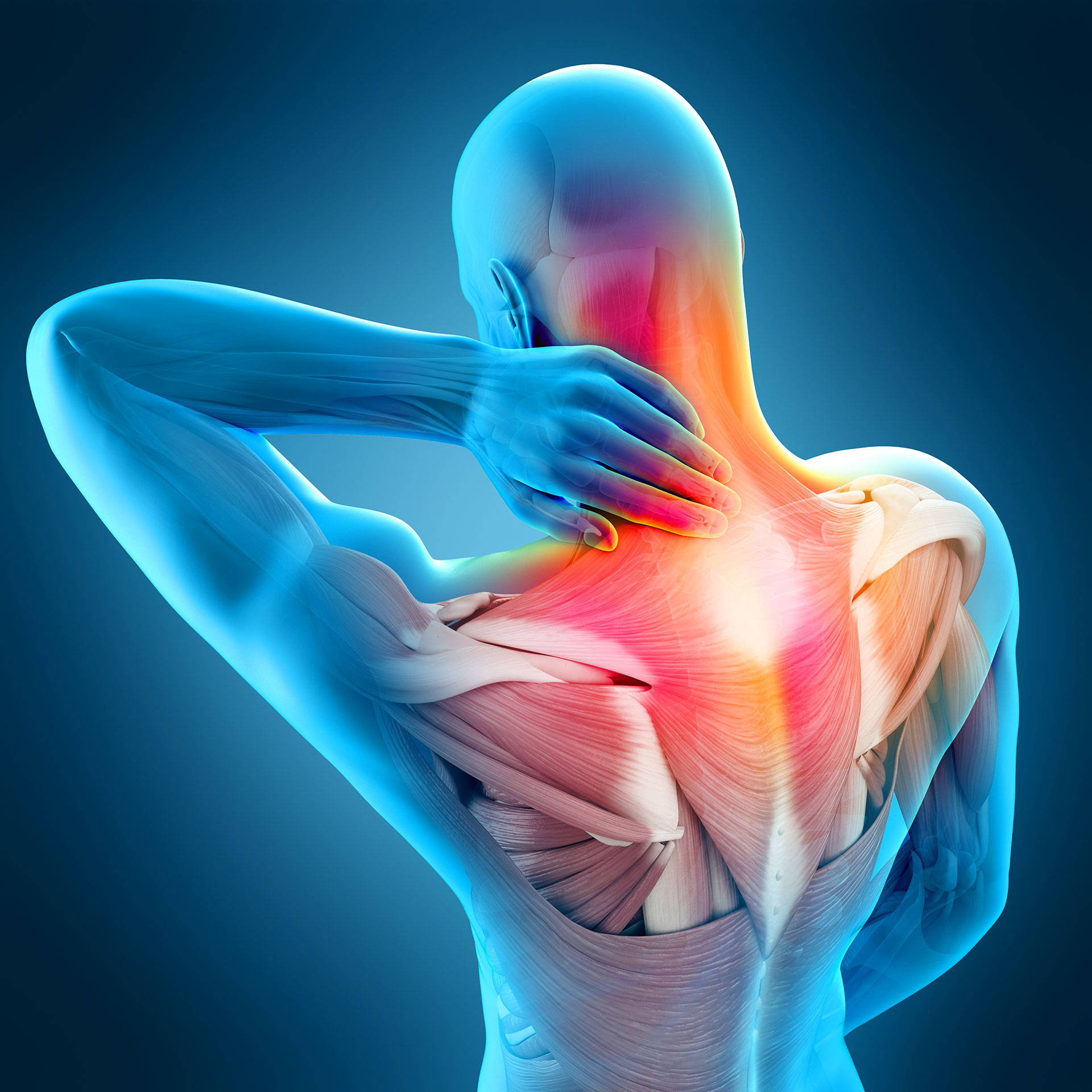
Minimally Invasive Treatment for Neck Arthritis
At CURA Pain Centers, treatment focuses on reducing joint inflammation and relieving pain without immediate surgery whenever possible. Depending on the severity of arthritis, options may include image-guided facet joint injections, medial branch blocks, or other targeted interventional procedures performed safely in-office.
These minimally invasive therapies aim to calm inflammation, improve joint mobility, and restore comfortable movement. Many patients experience meaningful relief after appropriately directed care. If chronic neck stiffness or joint pain is limiting your daily activities, early specialized evaluation can help slow progression and support long-term cervical spine health.

.