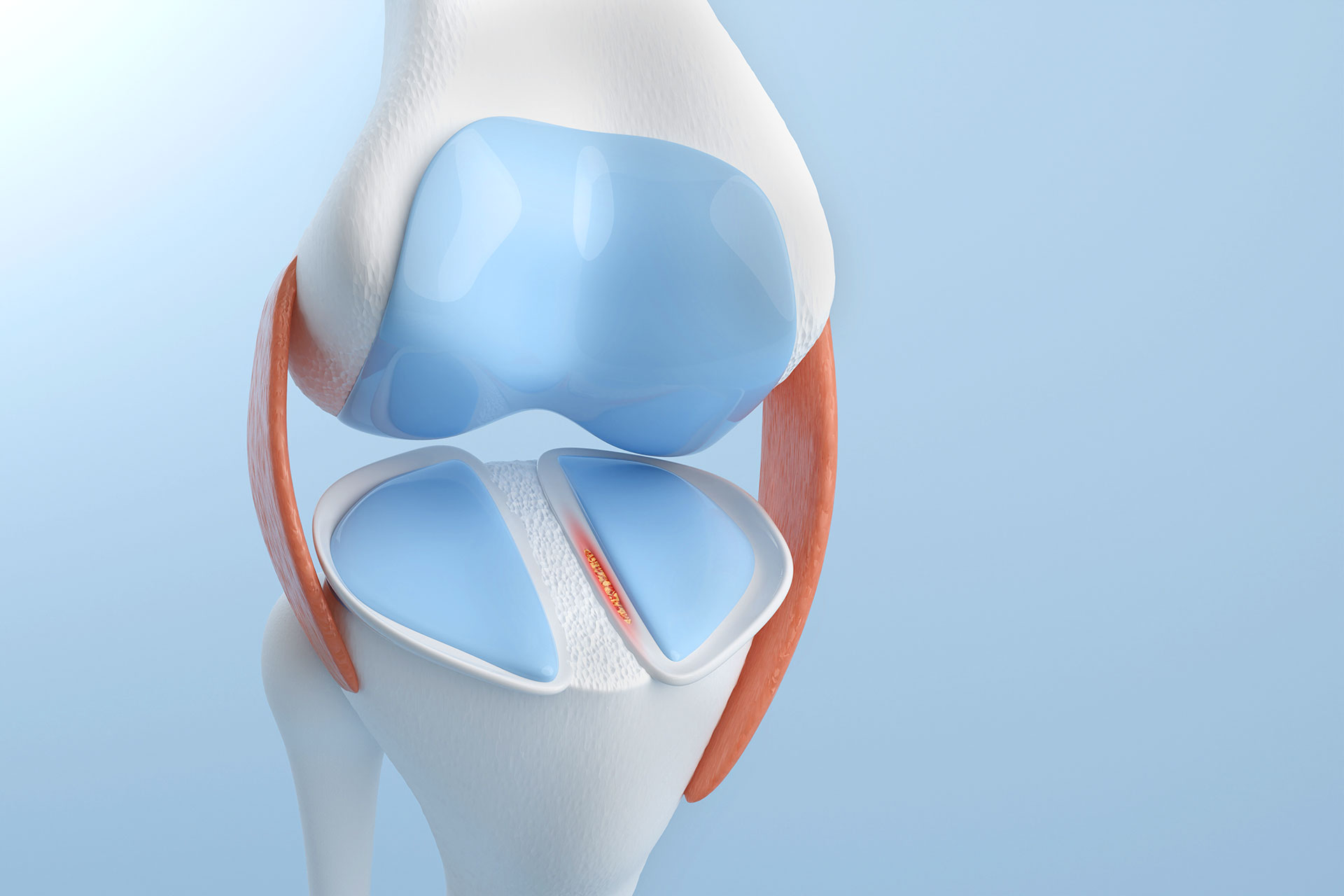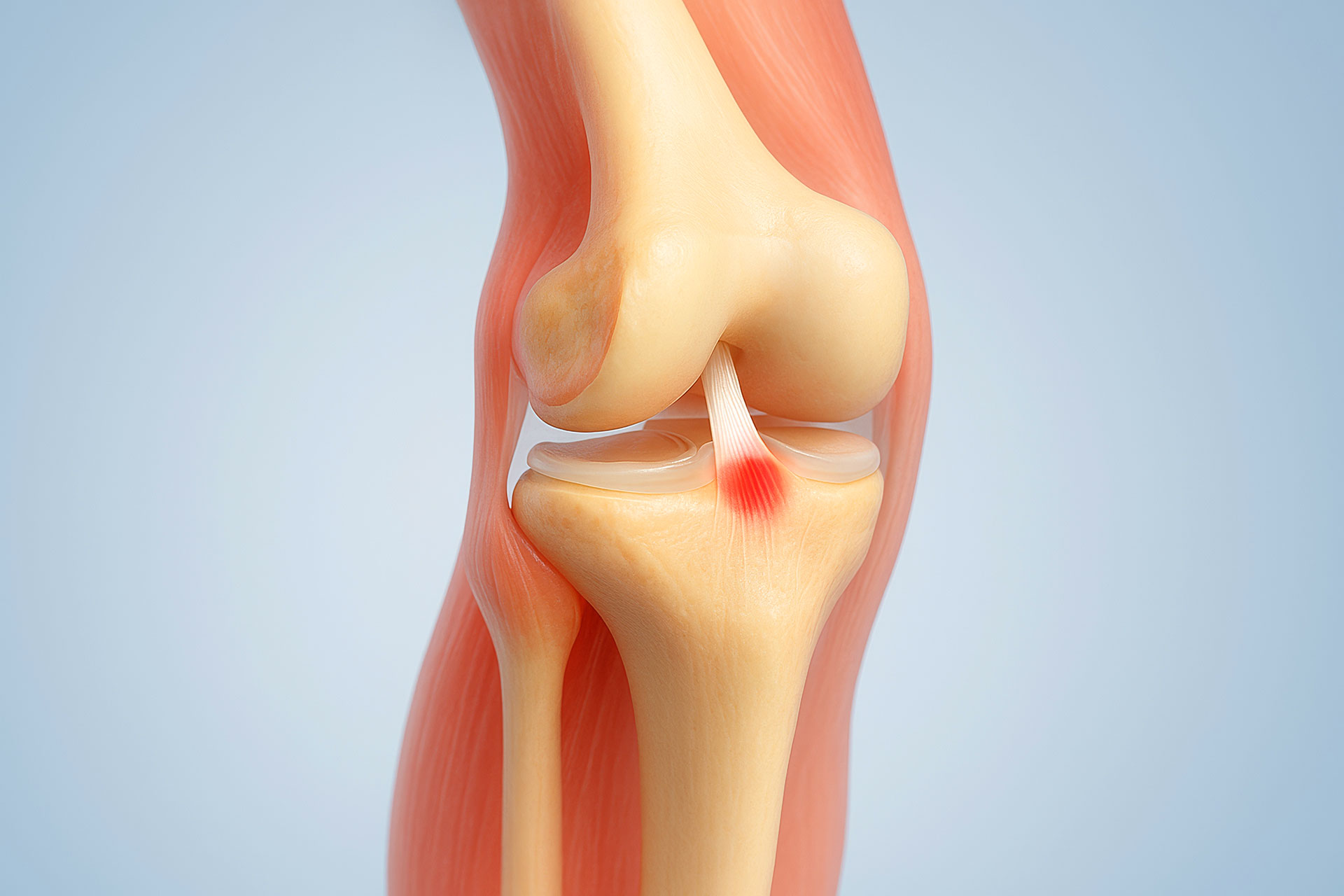
A meniscus tear is one of the most common causes of knee pain and can occur from sudden twisting movements, sports injuries, or gradual degeneration over time. The meniscus is a C-shaped piece of cartilage that cushions and stabilizes the knee joint. When torn, it can cause pain, swelling, stiffness, and difficulty fully bending or straightening the leg. At CURA Pain Centers, we carefully evaluate the severity and location of the tear to determine the most appropriate minimally invasive treatment strategy designed to relieve pain and restore knee function.
What Causes a Meniscus Tear?
Meniscus tears may result from acute injury, such as pivoting during sports, or from gradual wear and tear as cartilage weakens with age. Athletes and active individuals often experience sudden pain after a twisting motion, while degenerative tears may develop slowly with progressive discomfort and swelling.
Common symptoms include clicking, locking, or catching sensations within the knee joint. Some patients feel instability or weakness when bearing weight. Because meniscus tears can overlap with ligament injuries or arthritis symptoms, accurate diagnosis through clinical evaluation is essential.
Our specialists assess joint stability, inflammation, and mechanical symptoms to determine whether pain is directly related to a meniscus tear or associated joint conditions.

Minimally Invasive Treatment for Knee Stability
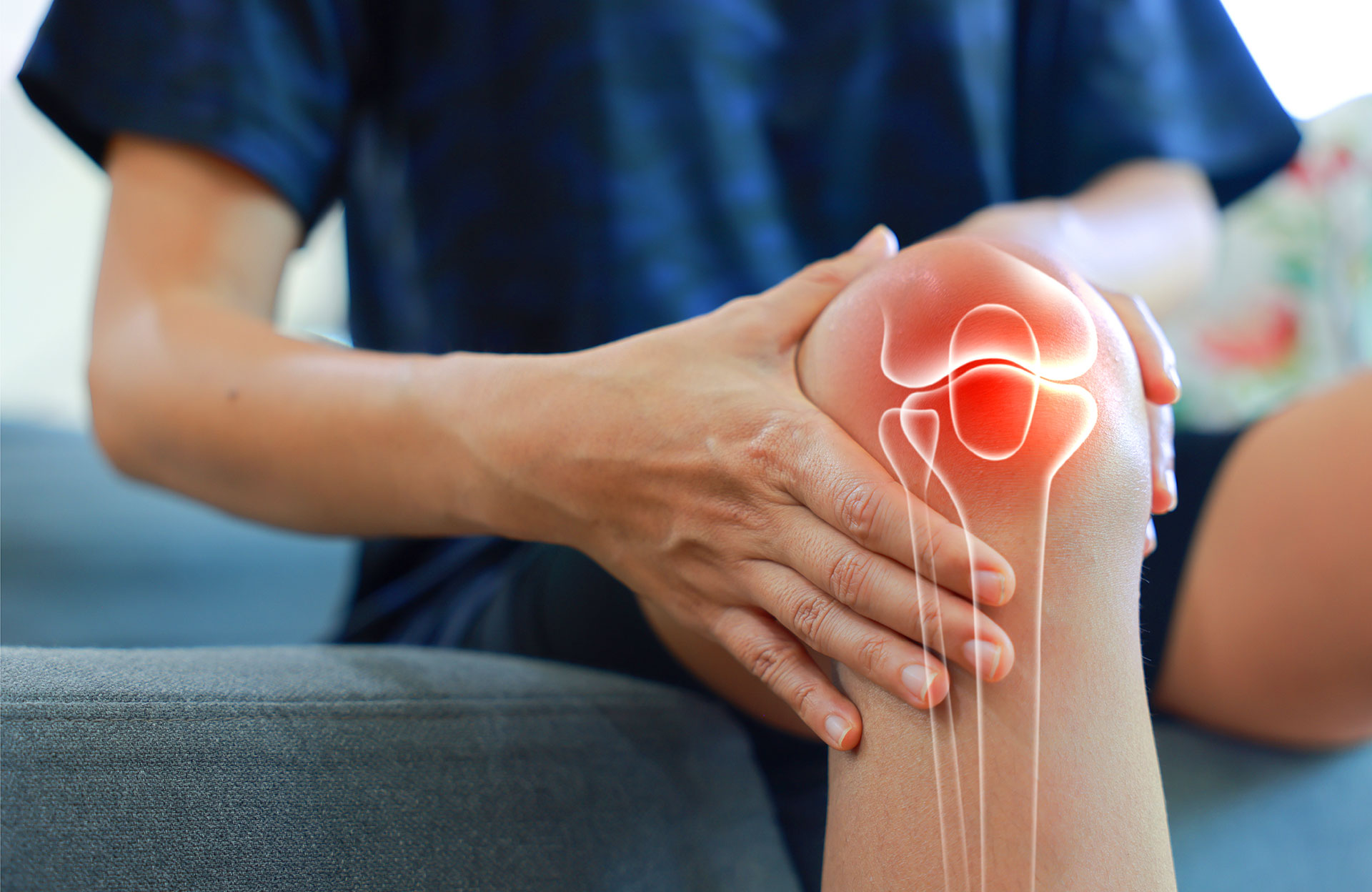
Curabitur pellentesque odio magna → At CURA Pain Centers, treatment focuses on reducing inflammation, improving joint mechanics, and relieving pain without unnecessary surgery whenever possible. Depending on the severity of the tear, options may include image-guided injections, regenerative therapies, or targeted nerve treatments designed to calm irritation and promote healing.
These in-office procedures aim to restore mobility and reduce discomfort while allowing patients to return to daily activities more comfortably. If knee pain, locking, or swelling is limiting your movement, early evaluation of a possible meniscus tear can help prevent further joint damage and improve long-term outcomes.