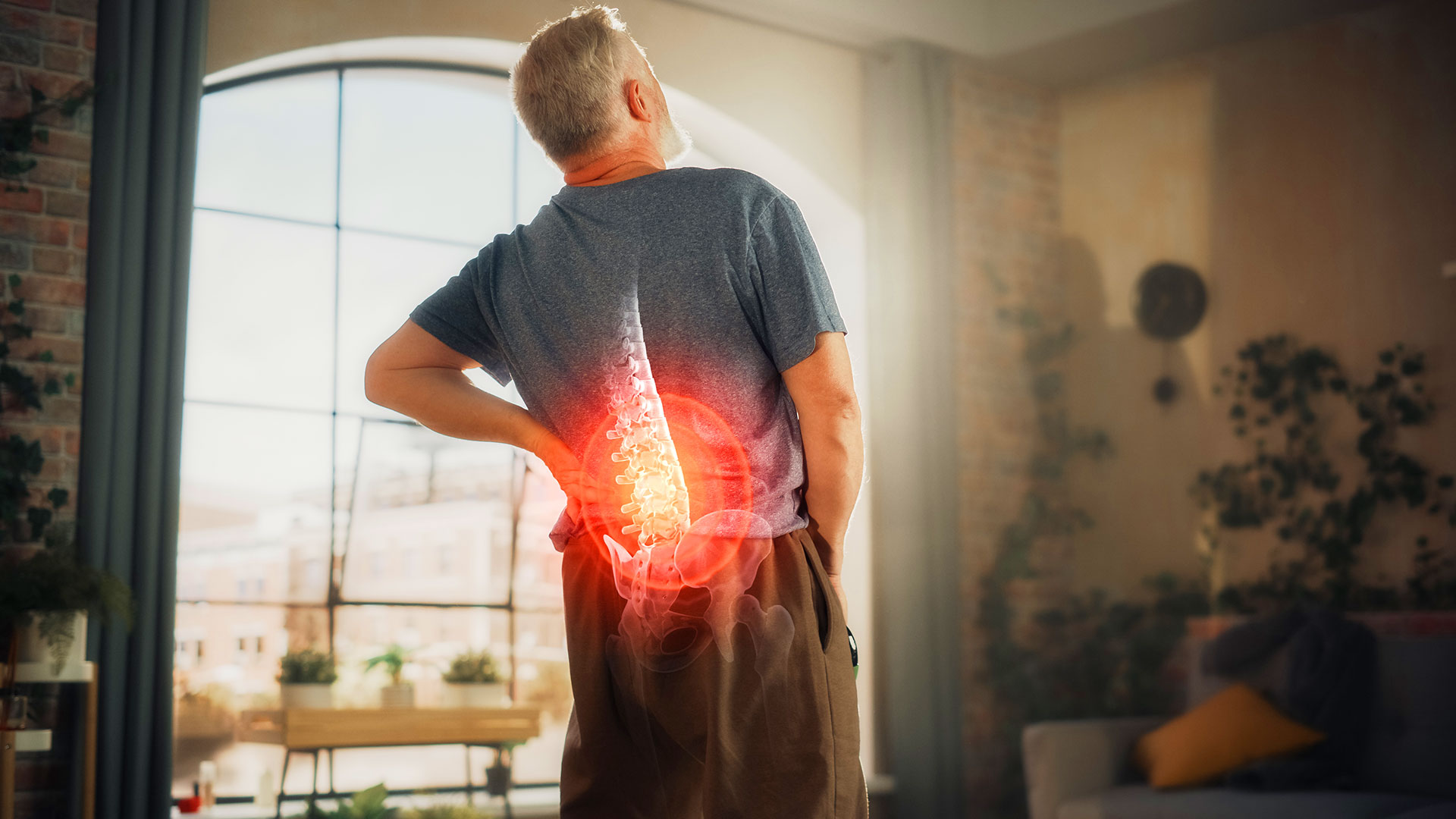
Lower back pain is one of the most common reasons patients seek medical care. It can range from a dull, persistent ache to sharp, debilitating pain that interferes with standing, walking, or even sitting comfortably. The lower spine bears much of the body’s weight and is particularly vulnerable to strain, disc injury, nerve compression, and degenerative changes. At CURA Pain Centers, we specialize in identifying the exact source of lower back pain and providing minimally invasive treatments designed to relieve discomfort and restore mobility.
What Causes Lower Back Pain?
Lower back pain may result from muscle strain, ligament injury, herniated discs, spinal arthritis, or nerve irritation. Degenerative disc disease and spinal stenosis are also common contributors, particularly as patients age. Sudden injuries, repetitive stress, or poor posture can increase strain on spinal structures and lead to inflammation.
Symptoms vary depending on the cause. Some patients experience localized aching, while others report radiating pain into the hips or legs, numbness, tingling, or weakness. Because multiple spinal conditions can produce similar symptoms, a thorough clinical evaluation is essential for accurate diagnosis.
Our specialists assess spinal alignment, nerve involvement, and disc health to determine whether pain originates from structural instability, inflammation, or nerve compression.
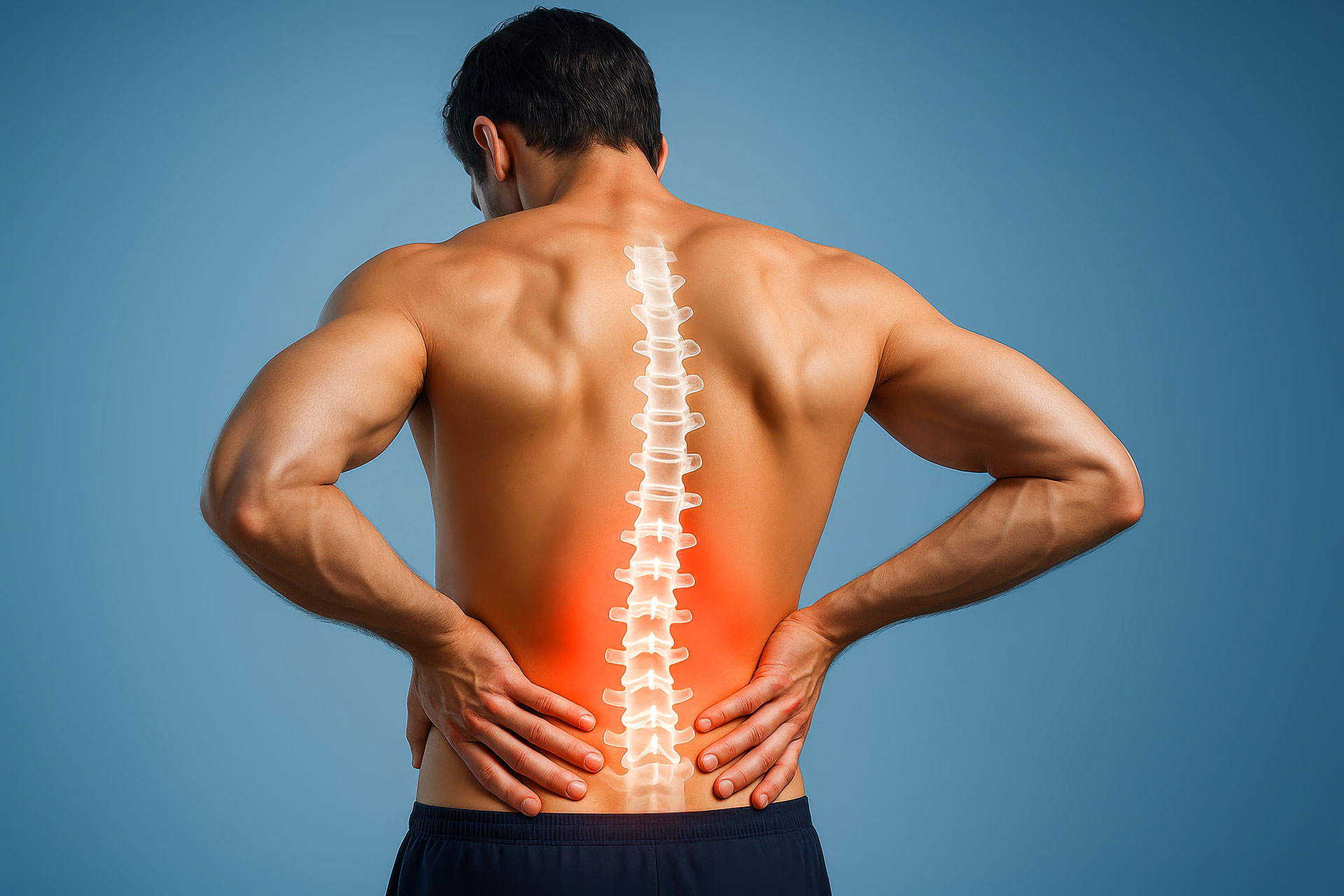

Minimally Invasive Treatment for Lasting Relief
At CURA Pain Centers, treatment focuses on targeted, image-guided procedures designed to reduce inflammation and relieve pressure on affected nerves. Depending on the diagnosis, options may include epidural injections, facet joint treatments, or other interventional therapies performed safely in-office.
These minimally invasive procedures aim to provide meaningful pain relief while allowing patients to resume daily activities with minimal downtime. Many individuals experience improved function and decreased pain following properly targeted care. If lower back pain is limiting your mobility or affecting your quality of life, early interventional evaluation can help restore stability and prevent progression of chronic symptoms.