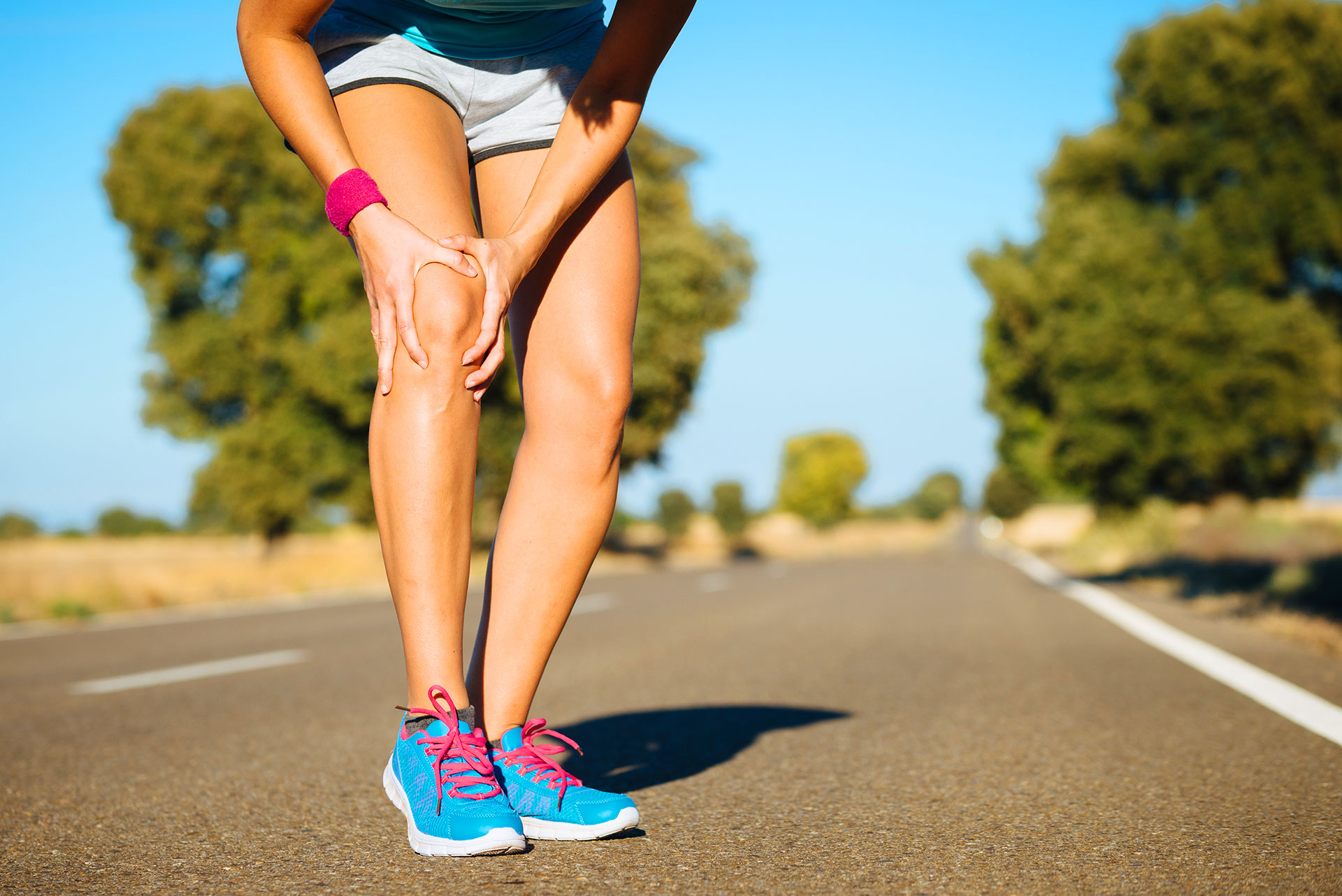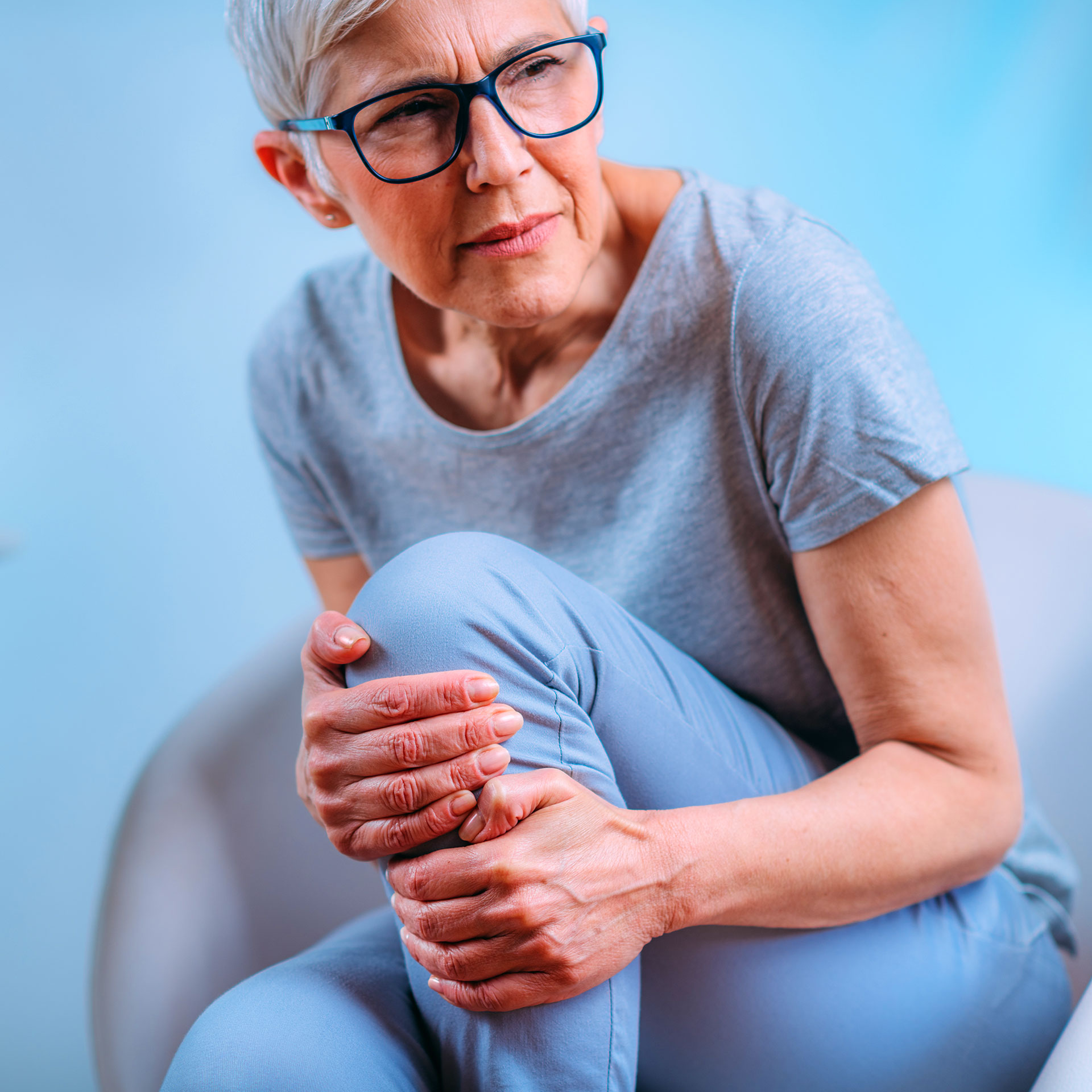
Anatomy of the Knee and Its Function
The knee is a complex joint formed where the femur meets the tibia, with the kneecap positioned at the front. Its anatomy includes bones, muscles, nerves, joints, ligaments, and blood vessels. The joint is enclosed in a capsule filled with synovial fluid that lubricates movement. Collateral ligaments provide stability during daily activities, while cruciate ligaments control motion between the hip and shin to ensure proper knee function.
The Knee’s Synovial Membrane and Synovial Fluid
The synovial joint connects two bones. The synovial membrane in the synovial joint produces synovial fluid. The synovial membrane surrounding bones and the synovial fluid inside provides cushioning.
Synovial fluid is the lubrication for the joints. When patients have inflammation in the joint, there is more synovial fluid-filled swelling.
Articular Cartilage of the Knee
Articular cartilage covers the ends of the bones of the joint. The articular cartilage absorbs shocks. It also makes movement smooth. It has a function of shock absorption. It’s slippery. It lets surfaces slide without damage.
Sore Knee Injuries
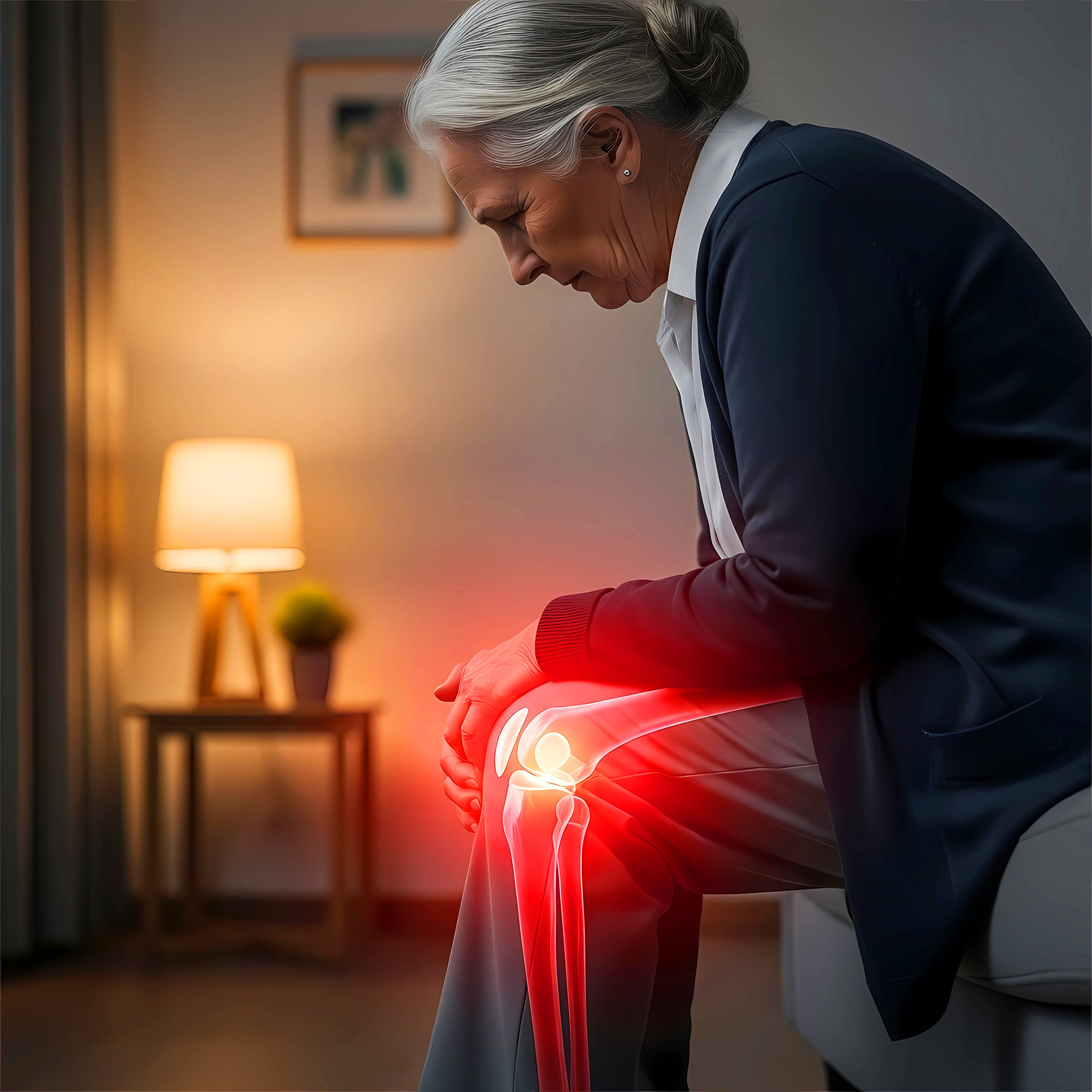
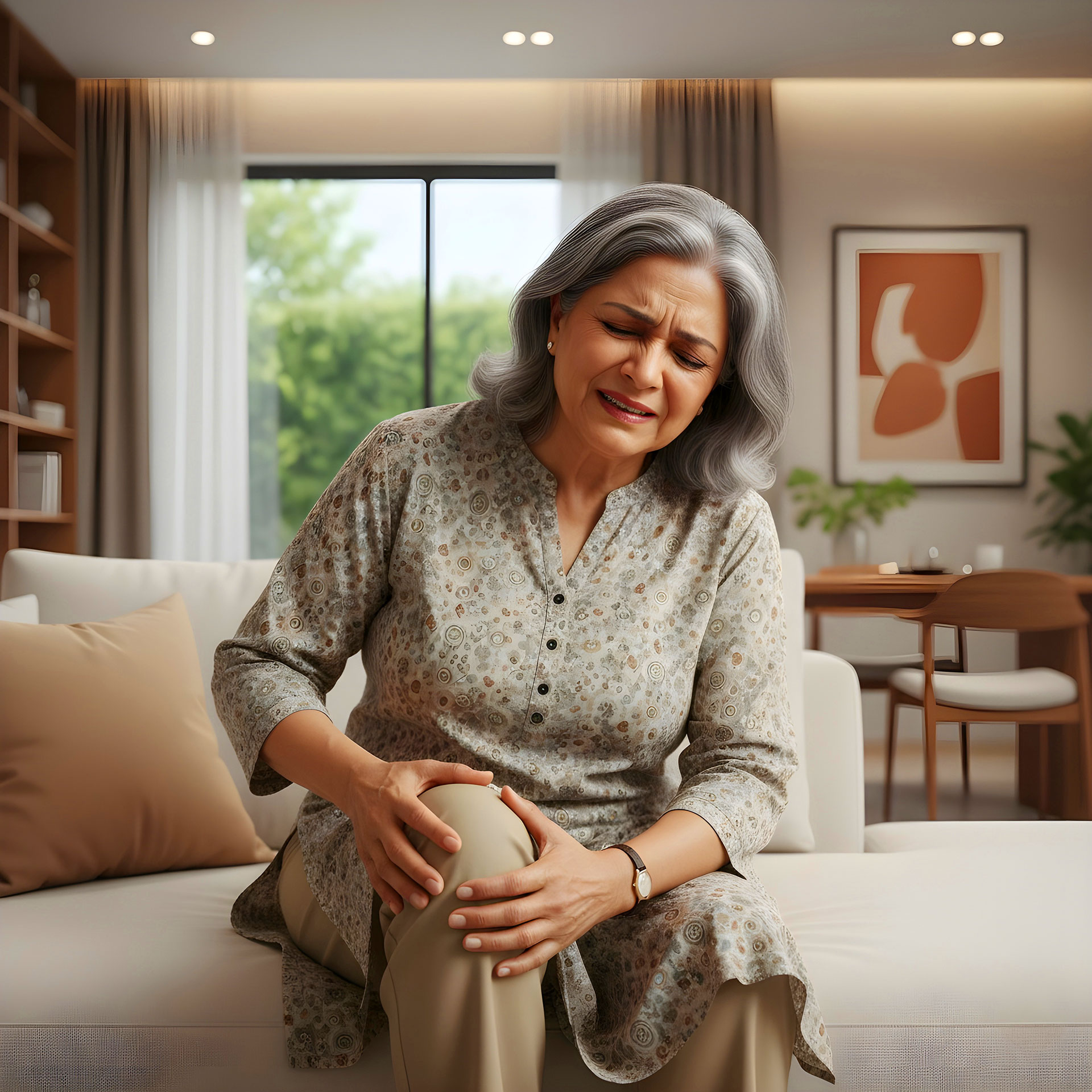
The cruciate ligaments may lose control if your knee is unstable because of torn cartilage or injured ligaments. The ortopaedic surgery can help restore knee joint function and relieve pain. Knee patellofemoral syndrome. Attended by patellofemoral pain, it leads to weakness of the muscles and a lot of strain on the connective tissue. Regular exercise can help prevent this problem.
Knee ligament tears caused by injury or sports activity. It may require orthopaedic surgery. Arthritis and knee osteoarthritis can also irritate joint pain. Knee bursitis is an inflammation of the mucous sacs causing sharp pain in the knee. You may need medical intervention to relieve the condition.
Treatment for Knee Injury and Pain
Statistically, every third person aged 30+ has triggered knee problems at least once. The knee pain can start from mild discomfort and worsen without treatment.
In most cases, treatments are conservative:
- Wearing a special orthosis with lateral stability
- Local cold
- Knee raised position
- Limiting the load on the injured limb for four weeks
The first and most important thing in treating knee injuries is to visit your doctor for a diagnosis. This will allow him to choose the best treatment for you. Treatment for knee pain depends on the cause of the pain.
Here are some general recommendations to reduce and prevent knee pain:
- Get more rest and reduce the load on your legs. Allow your knee ample time to recover. Use an ice pad to reduce inflammation and relieve pain.
- Use a cane or knee brace to reduce pressure on your sore knee.
- Take nonsteroidal anti-inflammatory drugs (NSAIDs), such as ibuprofen, under your doctor’s supervision.
- Physical therapy for weak muscles. Complete exercises to strengthen the muscles around the knee and restore mobility to the joint.
- Massages and gentle stretches can help reduce tension in the connect bone, allowing knee and lower leg flexibility.
- Losing weight isn’t just about looks. It helps lighten the load on knee joints. It prevents discomfort and supports natural hinge joint movement.
- To avoid triggering knee diseases, focus on controlling the cruciate ligaments and strengthening the muscles around the joint.
Based on the symptoms and clinical exam, an orthopedic surgeon may prescribe tests like X-ray, knee MRI, and ultrasound diagnostics (US).