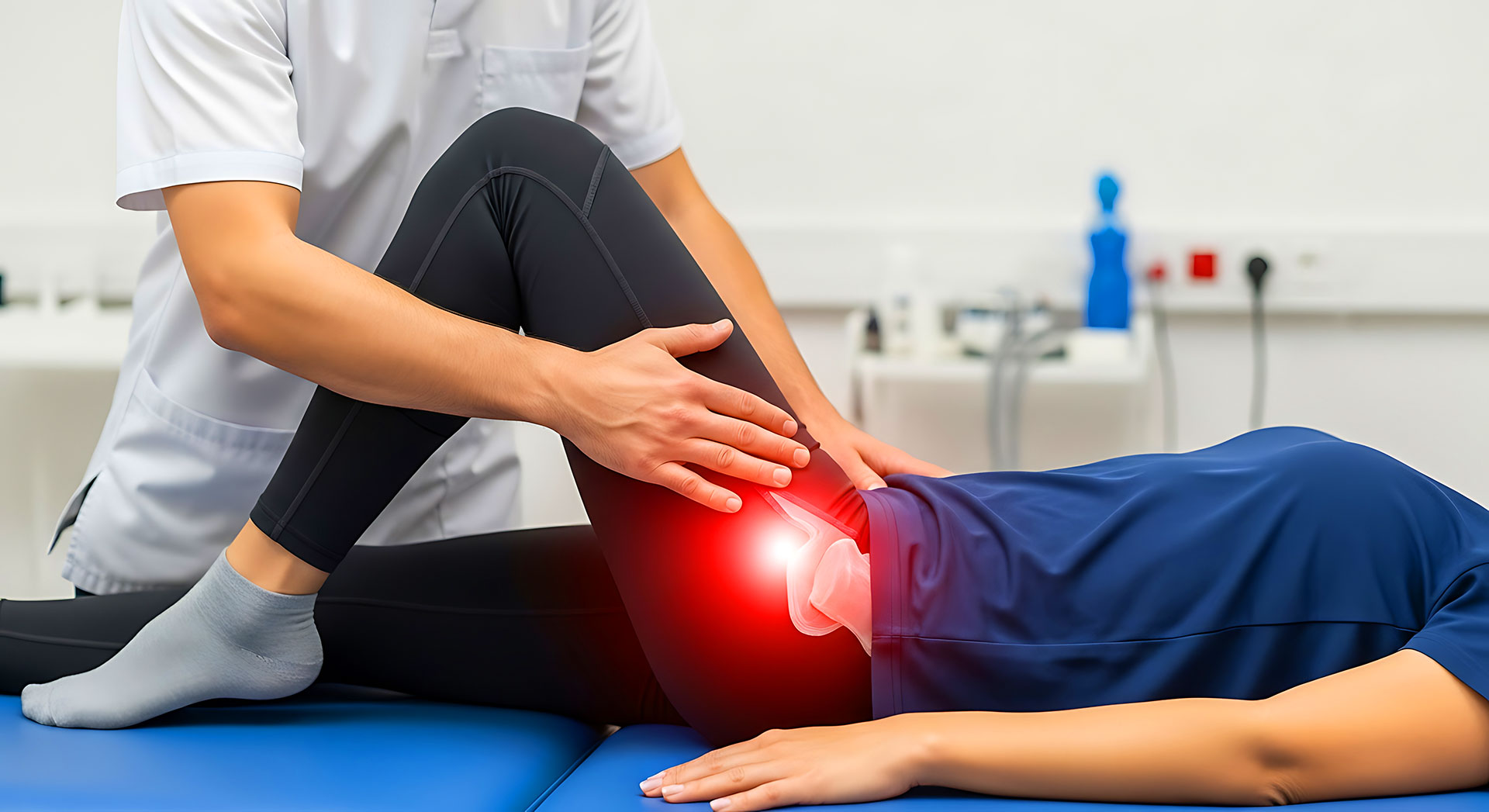
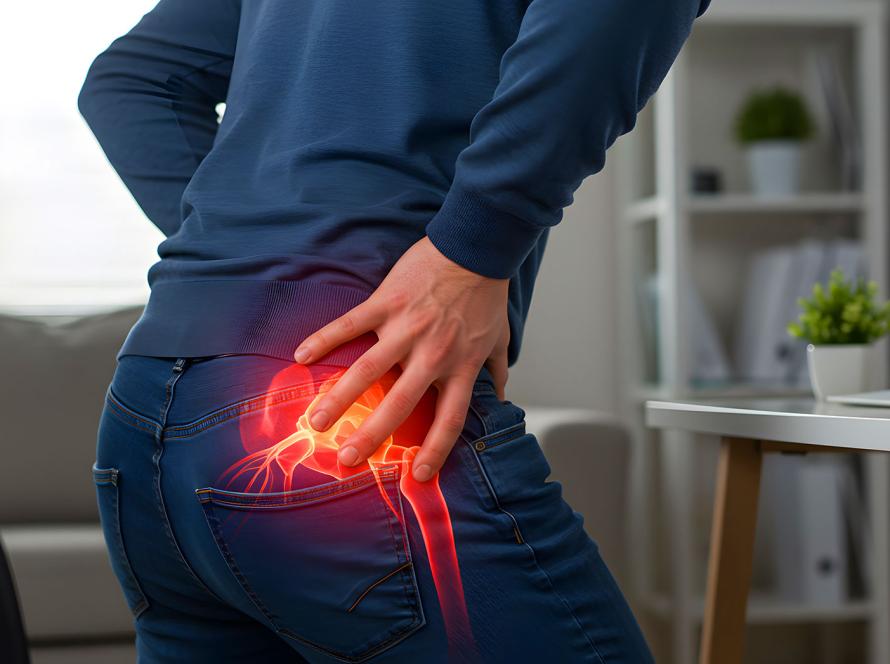
Hip pain can significantly affect mobility, balance, and overall quality of life. The hip joint supports body weight and allows smooth movement during walking, standing, and daily activities. When cartilage, tendons, ligaments, or surrounding nerves become irritated or inflamed, persistent discomfort may develop. Pain can remain localized in the hip or radiate into the groin, thigh, or lower back. At CURA Pain Centers, we carefully evaluate the underlying source of hip pain to provide minimally invasive treatments designed to reduce inflammation and restore joint function.
Understanding the Source of Hip Pain
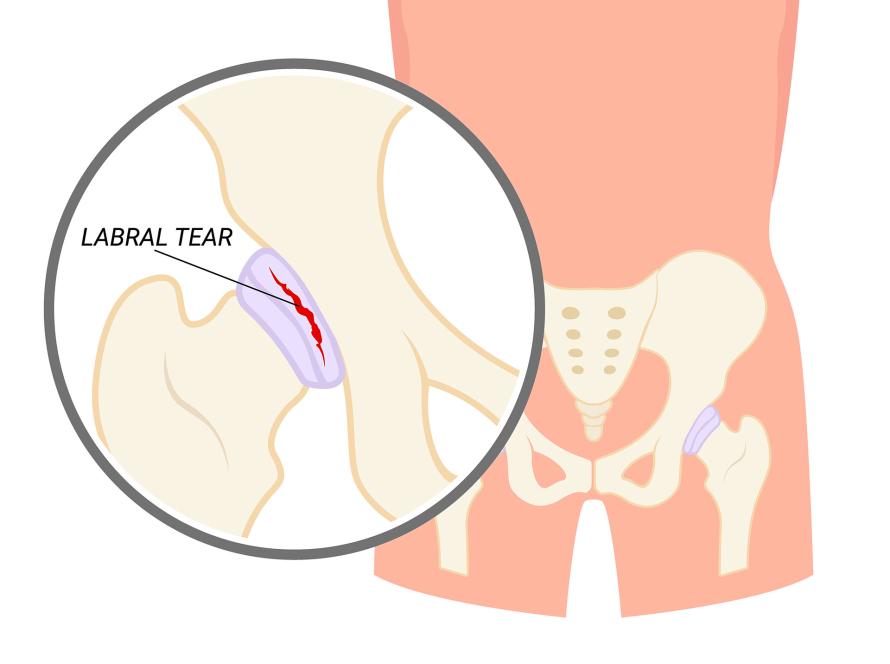
The hip is a ball-and-socket joint composed of cartilage, ligaments, muscles, and surrounding soft tissues that work together to provide stability and flexibility. Degeneration, injury, overuse, or inflammation can disrupt normal mechanics and lead to discomfort. Common causes include arthritis, bursitis, labral tears, tendon strain, and structural imbalance.
Patients often experience aching pain in the groin or outer hip, stiffness after prolonged sitting, reduced range of motion, or discomfort during weight-bearing activity. Because hip pain may also originate from the lower back or surrounding nerves, accurate clinical evaluation is essential.
Our specialists assess imaging findings, joint stability, and neurological involvement to determine whether symptoms stem from joint degeneration, soft tissue irritation, or nerve-related causes.

Minimally Invasive Treatment for Hip Pain
At CURA Pain Centers, treatment focuses on reducing inflammation and improving joint mechanics without immediate surgery whenever possible. Depending on the diagnosis, options may include image-guided injections, regenerative therapies, or other targeted interventional procedures performed safely in-office.
These minimally invasive therapies aim to calm irritation, restore mobility, and improve overall stability. Many patients experience meaningful relief after appropriately directed care. If persistent hip pain is limiting your daily activities, early specialized evaluation can help prevent progression and support long-term joint health.