

Hip: Pain, Fractures, Arthritis and Its Treatment
Hip, foot, and ankle pain can occur with various symptoms. At the top of the list is a feeling of pain in the hip, which can be worse from wearing uncomfortable shoes or prolonged physical activity. Flat feet can make this pain deeper, as it affects the support of the foot and can cause tear and wear on the joints.
Persistent hip pain may occur from joint wear or involve a broken bone or damage to the soft tissues.
Hip Pain: Front, Outside, Back
In the hip joint, we have three places where the pain occurs:
- The front side of the hip
- The outside of the hip
- The back side of the hip, in the buttock region
If you feel pain in the front, more to the groin, it could be muscle, arthritis, or the joint capsule (the labrum).
The acetabular labrum is a thick cartilage ring around the socket. It can tear if the ball and socket of the hip are irregularly shaped. It can be caused by problems with the hip joint in childhood or changes in the shape of the hip as it develops.
The outside pain commonly can be a tendon or Bursa. The pain here tends to be when you have done more of something: starting stretching more than usual, running more in a week, or repetitive movements. Anytime you have back, buttock, or lower back pain, it can be a spasm in the piriformis muscle, or the sciatic nerve is pressed.
Hip Arthritis
Hip arthritis is when the joints in the pelvis and hip become inflamed. This can cause pain, restrict movement, and lead to discomfort.
- The first symptom of hip arthritis is groin pain if the patient bends over to pick something up or to bring their knee to the chest.
- The second symptom is the loss of hip flexion. The patient can’t get 90-95 degrees without internal rotation.
- The third is difficulty in wearing shoes and socks.
Treatment includes medication, physical therapy, and sometimes hip replacement surgery.
Hip Fractures
Hip fractures are common in older age patients due to osteoarthrosis. Patients are unable to walk and should seek medical help within 48 hours. Hip fractures come in different varieties and need different types of treatment.
When the hip fracture is closer to the ball part of the hip bone, it is more likely the blood supply is impacted. In this case, doctors would proceed with the hip replacement surgery. If the fracture is away from the ball and the blood supply is not compressed, specialists can treat it with fracture fixation devices to allow mobility.
The right step in pain management is multimodal pain control. Multimodal pain control means using a combination of agents such as anti-inflammatories, nerve-related medication, or nerve blocks. It helps our patients recover faster from the procedure.
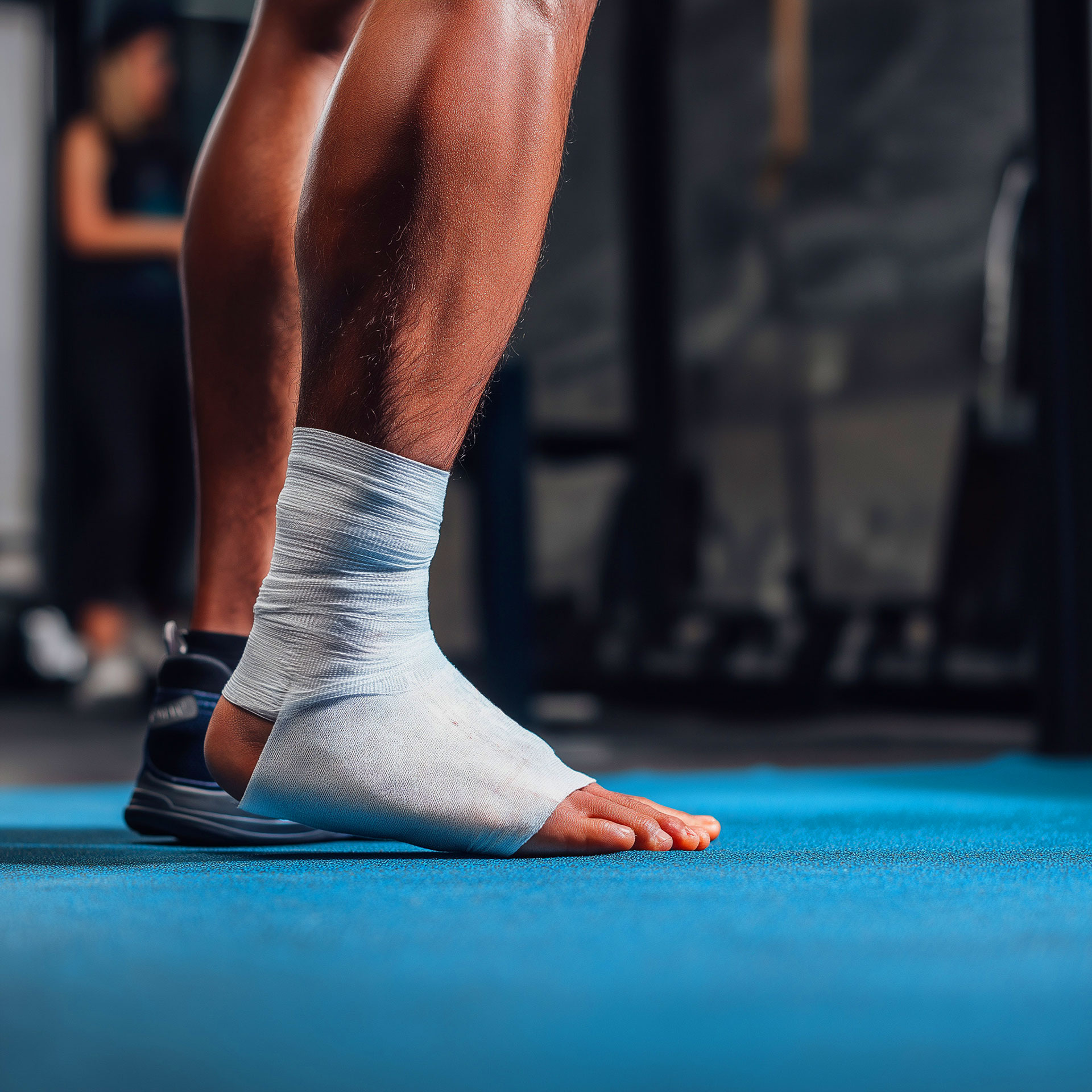

Foot and Shoes
The shoes we wear make a huge difference to our feet and legs. Increased pain, especially of the outer edge of the foot and heel bone, may be caused by wearing uncomfortable shoes. Regarding counter pain associated with foot problems, paying attention to footwear and specialized arch supports is recommended.
For healthy feet, it is recommended to wear shoes with good arch support and avoid prolonged periods of physical activity to prevent oncoming pain. Shoe inserts support the arch of your foot. Using the right running shoes can cushion your joints during physical activity. It helps reduce the risk of damage and wear and tear. Foot pads and shoe inserts can provide additional support and cushioning when joints are worn.
Remember that you should rely only on a doctor to diagnose any symptoms you may be experiencing.
