

A herniated disc occurs when the soft inner portion of a spinal disc pushes through its tougher outer layer, placing pressure on nearby nerves. This condition can develop in the cervical, thoracic, or lumbar spine and is a common source of back and neck pain. When nerve roots become compressed, symptoms may extend beyond the spine and radiate into the arms or legs. At CURA Pain Centers, we specialize in identifying the precise location and severity of disc herniation and providing minimally invasive treatment options designed to relieve pressure and restore function.
What Causes a Herniated Disc?
Spinal discs act as cushions between vertebrae, absorbing shock and allowing flexibility. Over time, natural degeneration can weaken the disc structure. Sudden trauma, repetitive strain, or improper lifting techniques may also contribute to disc injury. When the disc material protrudes or ruptures, surrounding nerves can become irritated or inflamed.
Symptoms vary depending on the affected region. Patients may experience localized back or neck pain, radiating pain into the extremities, numbness, tingling, or muscle weakness. In some cases, movements such as bending, coughing, or twisting may worsen discomfort. Because symptoms can overlap with other spinal conditions, accurate evaluation is essential.
Our specialists assess imaging findings, neurological signs, and clinical presentation to determine whether symptoms are directly related to disc herniation or associated nerve compression.
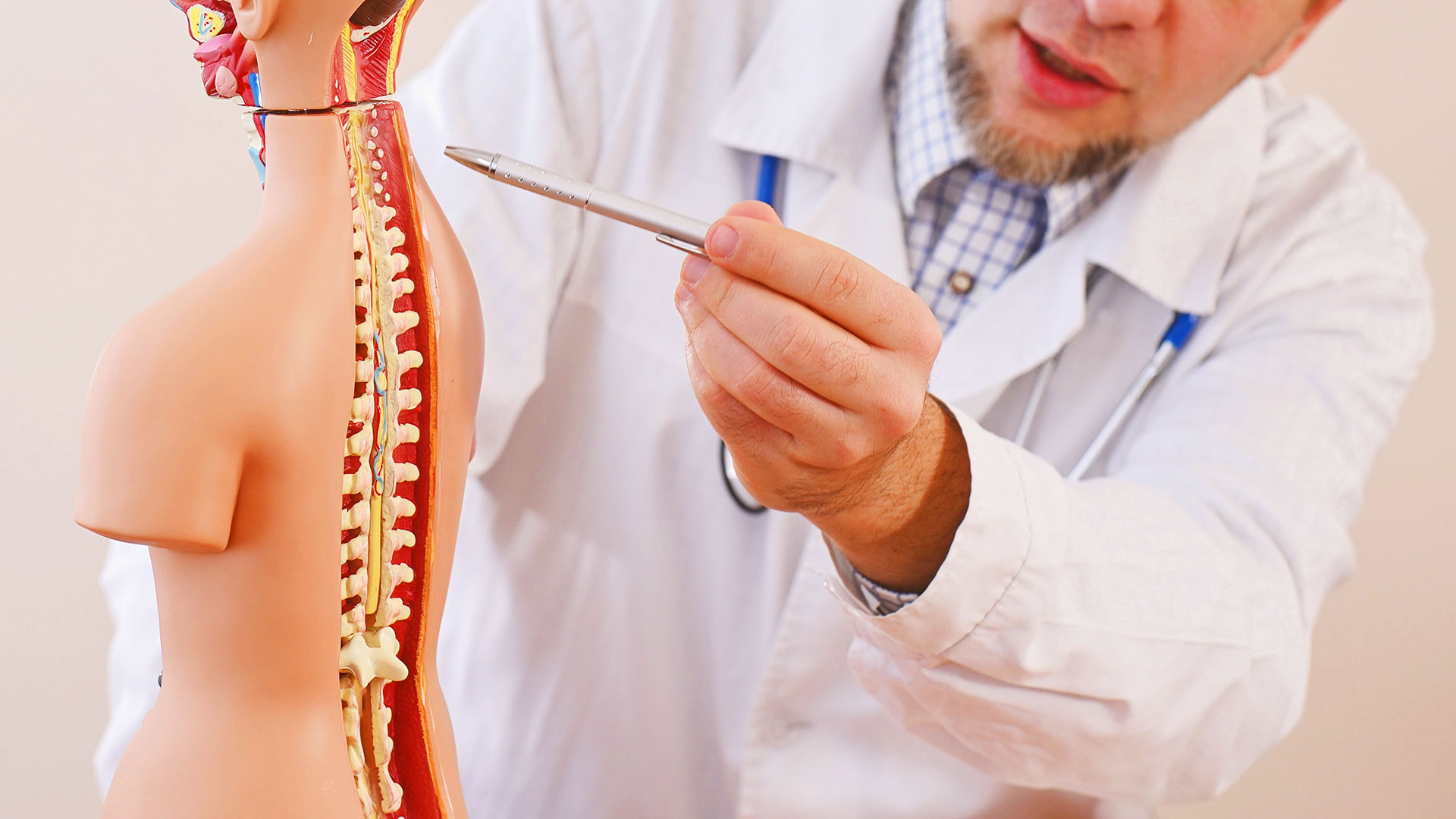

Minimally Invasive Treatment for Disc-Related Pain
At CURA Pain Centers, treatment focuses on reducing inflammation and relieving nerve pressure without unnecessary surgery whenever possible. Depending on the diagnosis, options may include image-guided epidural injections, nerve blocks, or other targeted interventional therapies performed safely in-office.
These minimally invasive procedures aim to calm irritated nerves, decrease pain intensity, and improve mobility. Many patients experience meaningful relief and restored function after appropriately directed care. If symptoms of a herniated disc are limiting your movement or causing radiating pain, early specialized evaluation can help prevent progression and support long-term spinal health.
