

The Role of Headaches in dailylife
Everyone has had a headache or a long-lasting migraine at least once. Headaches can be caused by almost anything. Headaches can be minor and go away, or they can stay for several years – chronic migraine. The causes and treatments for headaches vary based on how strong they are.
Types of Headaches
Headache has a seasonality. Many types of headaches occur during the fall and winter months. Headache statistics differ not only by type but also by gender. Women suffer from migraine 2-3 times more often than men.
Headaches can be divided into two categories, primary and secondary headaches, and five subcategories:
- Migraine headaches – severe and throbbing pain in one side of the head
- Stress – prolonged pain that “squeezes” your head like a hoop
- Flu or ARI – pain in the area of the brow, forehead, and temples
- Osteochondrosis – sharp pain in the back of the head and temples
- Hypertension – severe throbbing pain, usually in the back of the head
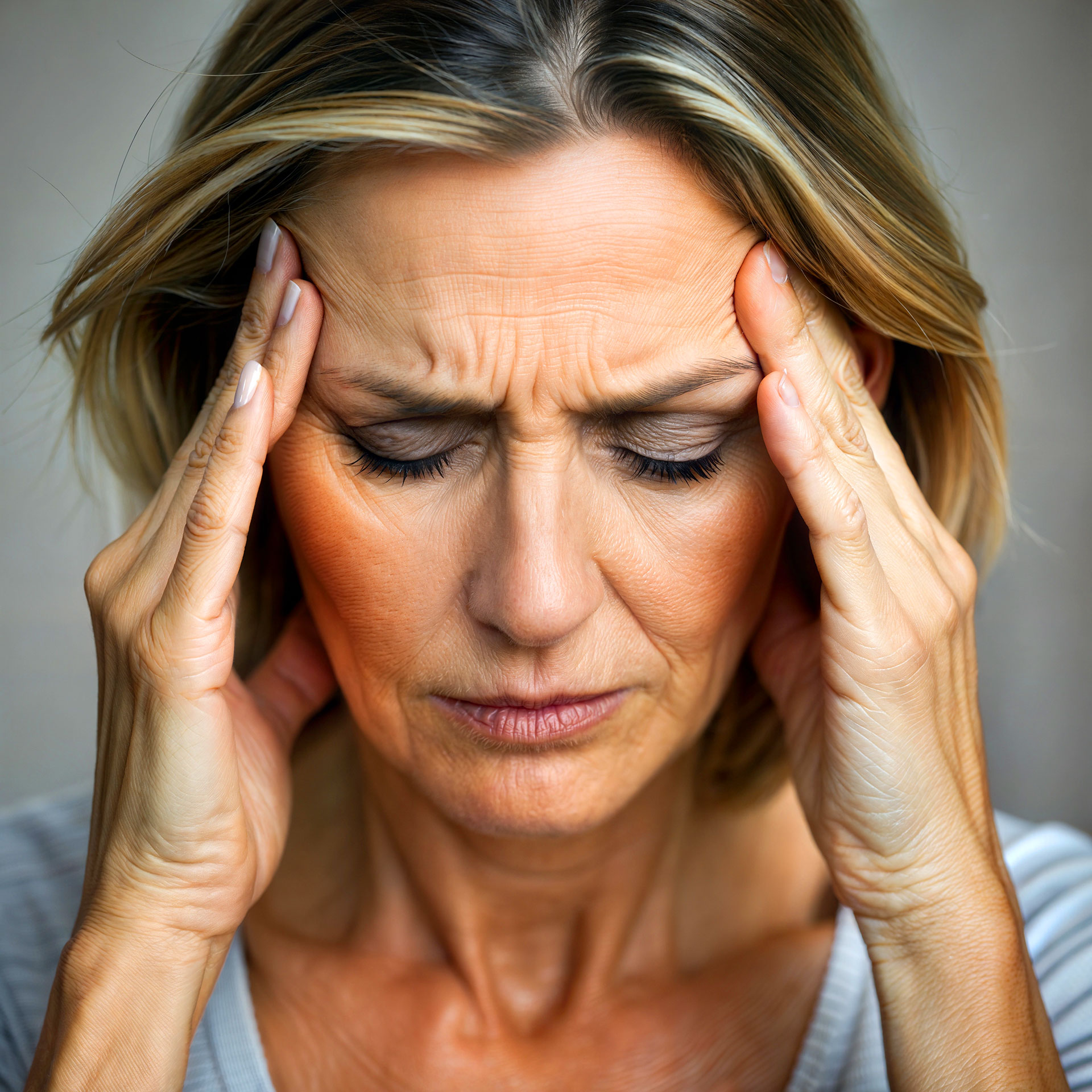

Migraine Symptoms
A migraine is a headache that occurs in sudden attacks two to ten times a month. A migraine headache can last from two hours to two days. Headaches do not happen between attacks, and the person feels healthy.
Most often, women suffer from migraines. The first migraines appear during puberty and continue until menopause. Other causes of migraines include head injuries (concussions, bruises), overwork, and stress. Migraine is a disease of nervous tension. It occurs in people who are constantly stressed and mentally overexerted. Chronic Migraine is 15 days/month, for three months or longer.
Typical symptoms of migraine include:
- Extremely painful headache in one side of the head and may go to the eye, back of the head, forehead, or temple
- The level of head pain can be so intense that it’s impossible to move
- Throbbing headache
- Sensitivity to light, sound, and taste
- Nausea
- Vomiting
- Difficulty in speaking
Treatment of Chronic Tension-type
Treatment of a tension-type headache should be complex. Antidepressants form the basis. They can be relieving symptoms of emotional stress. This type of headache is treated by stretching and relieving the head muscles and exercising the stabilizing muscles of the neck.
The Effect of Certain Foods on Headaches
Certain foods can act as triggers for frequent headaches, especially chronic tension headaches, making dietary awareness an important part of prevention. Keeping a detailed food diary and tracking how your body responds to different meals can help you identify patterns and uncover specific items that consistently worsen symptoms. This insight allows you to make informed adjustments to your diet and avoid potential triggers. In addition, staying well-hydrated, maintaining regular meal times, and limiting highly processed or overly salty foods may further support headache management. Paying attention to lifestyle factors such as sleep, stress levels, and caffeine intake can also strengthen your understanding of what contributes to severe or recurring pain and help you create a routine that minimizes discomfort.
