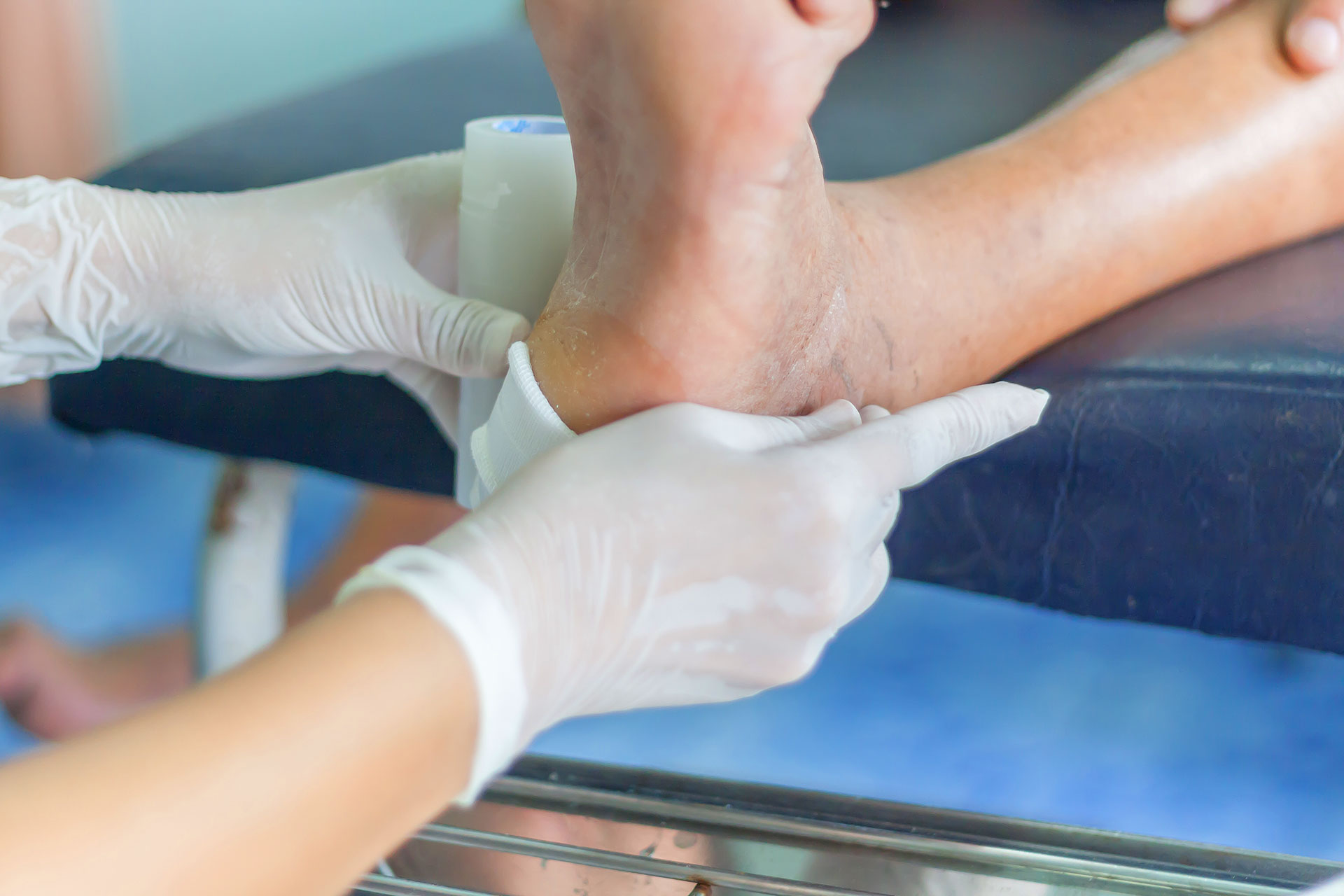
Diabetic neuropathy is a nerve-related complication of diabetes that develops when prolonged elevated blood sugar levels damage peripheral nerves. It most commonly affects the feet and legs but may also involve the hands and arms. Nerve injury can lead to burning pain, numbness, tingling, or weakness that gradually worsens over time. At CURA Pain Centers, we carefully evaluate nerve function and symptom patterns to provide minimally invasive treatments designed to relieve nerve irritation and improve comfort.
What Causes Diabetic Neuropathy?
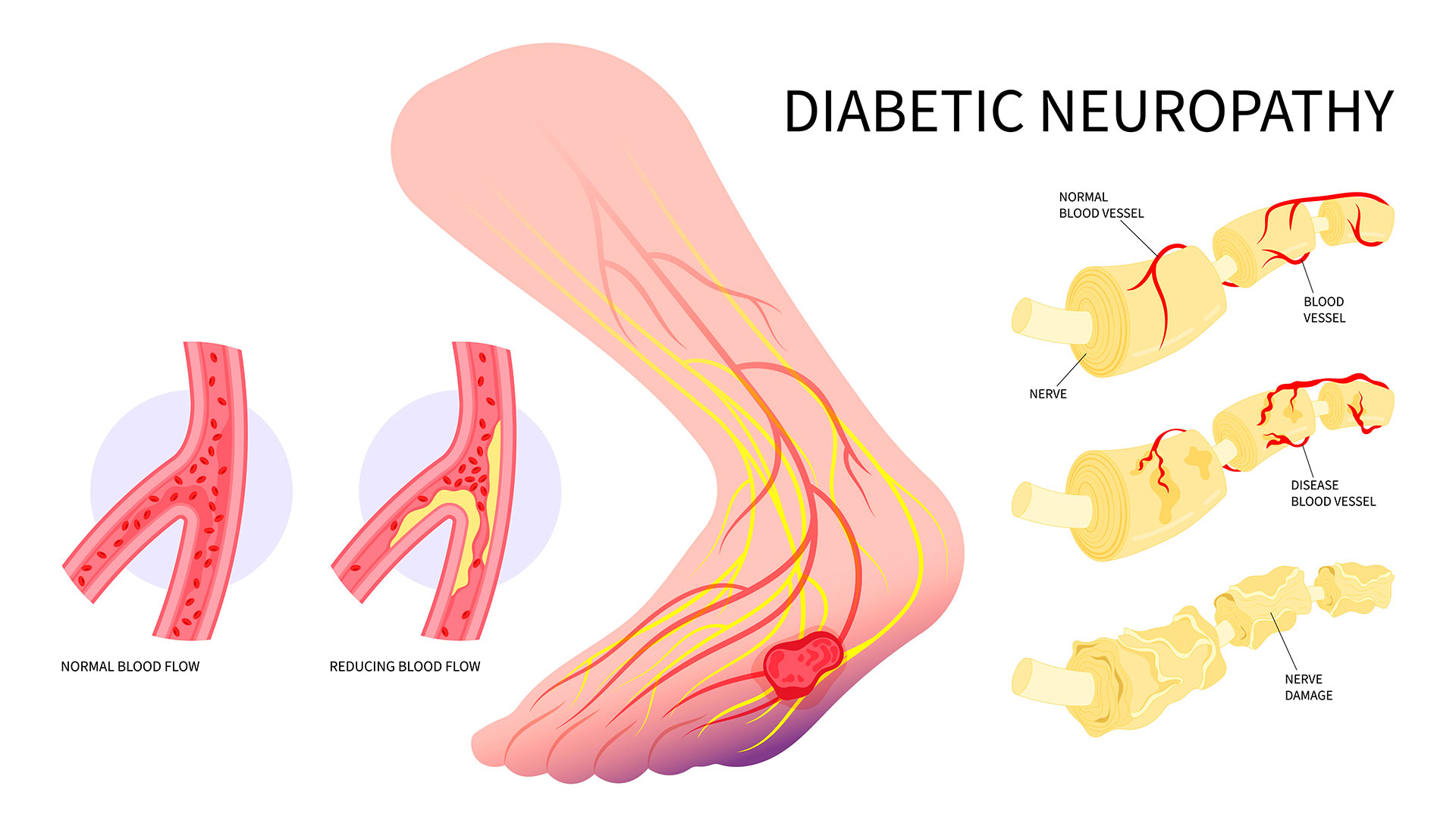
Diabetic neuropathy develops when chronic high blood glucose levels impair blood flow to nerves and damage protective nerve coverings. Over time, this disruption can interfere with normal nerve signaling and increase sensitivity or numbness. Poor circulation and metabolic imbalance may further contribute to progressive nerve dysfunction.
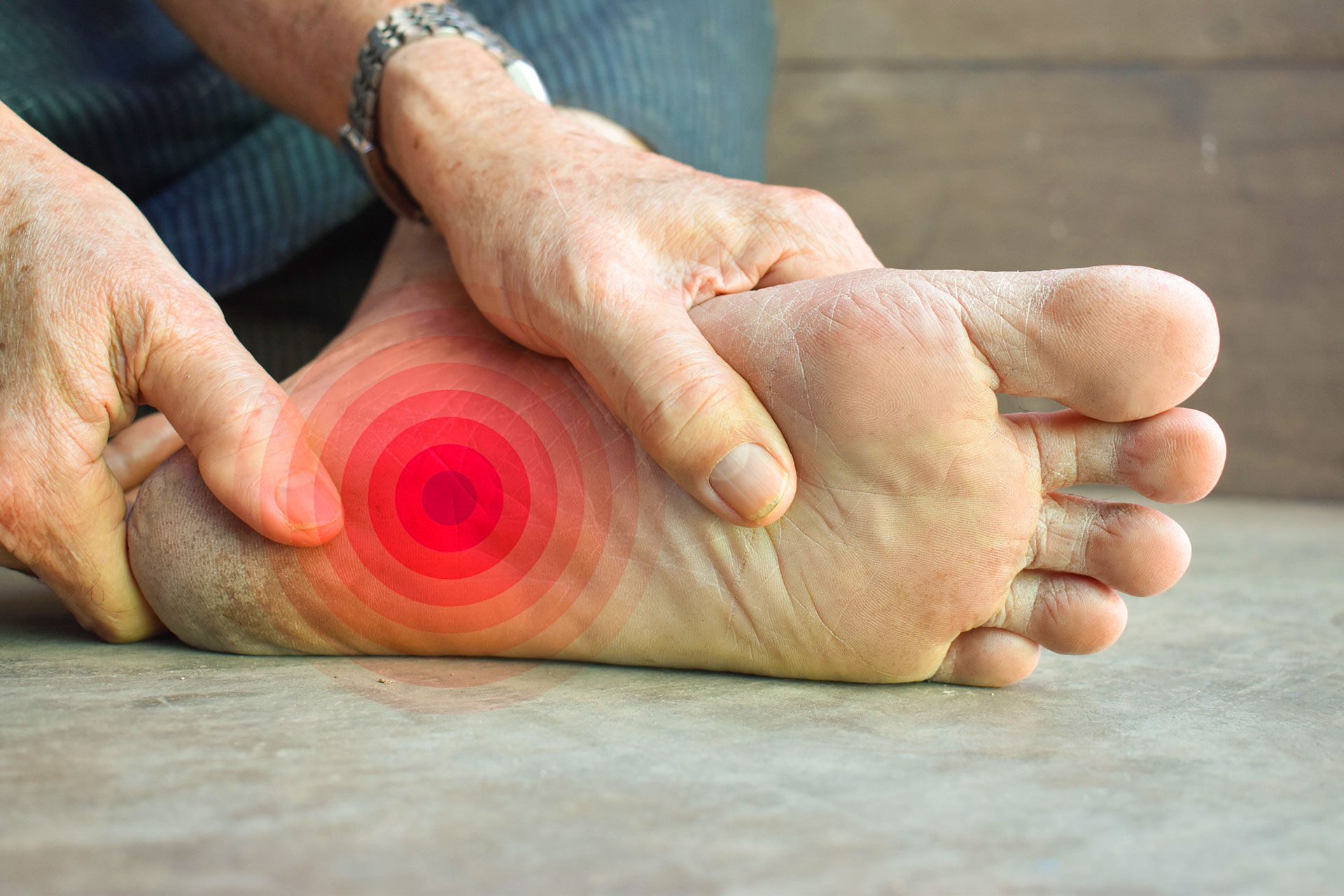
Patients often experience burning sensations, tingling, electric-like pain, or reduced sensation in the feet and lower extremities. Symptoms may worsen at night and interfere with sleep or walking stability. Because nerve-related pain can overlap with spinal or vascular conditions, accurate clinical evaluation is essential.
Our specialists assess neurological findings, circulation status, and symptom distribution to determine whether peripheral nerve damage is directly contributing to discomfort.
Minimally Invasive Treatment for Diabetic Neuropathy
At CURA Pain Centers, treatment focuses on calming irritated nerves and improving pain control without immediate surgery whenever possible. Depending on symptom severity, options may include targeted nerve blocks, neuromodulation therapies, or other interventional procedures performed safely in-office.
These minimally invasive therapies aim to reduce nerve pain, improve function, and enhance overall quality of life. Many patients experience meaningful improvement after appropriately directed care. If persistent nerve discomfort is limiting your daily activities, early specialized evaluation can help support long-term nerve health and stability.