
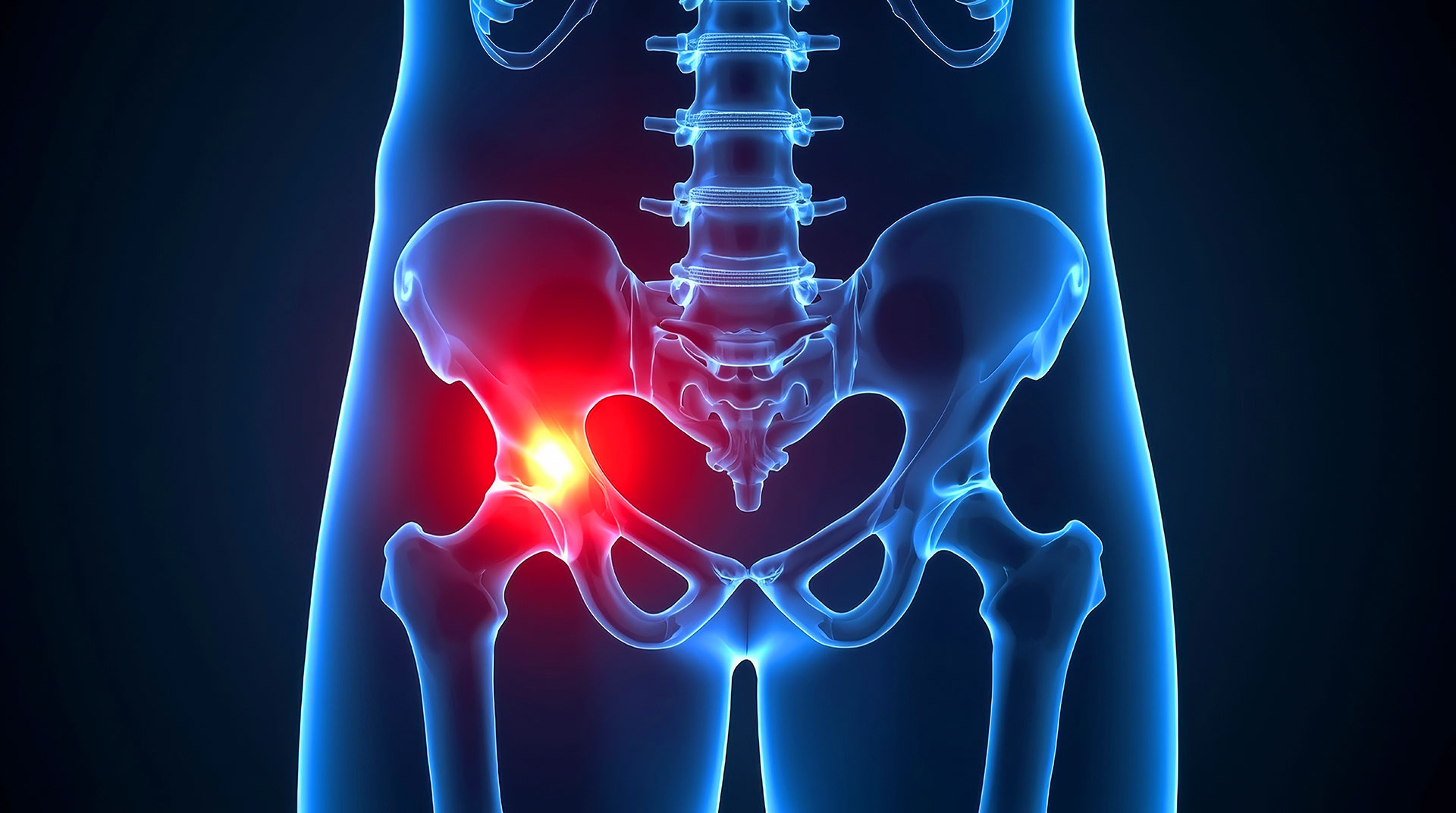
Coccydynia is a condition characterized by pain in the tailbone, or coccyx, located at the base of the spine. Discomfort in this area often worsens with prolonged sitting, rising from a seated position, or direct pressure on the tailbone. Injury, repetitive strain, or structural instability may contribute to inflammation in this sensitive region. At CURA Pain Centers, we carefully evaluate the underlying cause of tailbone pain to provide minimally invasive treatments designed to relieve discomfort and restore functional movement.
What Causes Coccydynia?
Coccydynia commonly develops after a fall, childbirth, prolonged sitting on hard surfaces, or repetitive strain. In some cases, degenerative joint changes or ligament irritation may contribute to persistent inflammation. Structural misalignment of the coccyx can also increase pressure and discomfort.
Patients often experience localized pain at the base of the spine, tenderness when sitting, and discomfort that worsens during position changes. Symptoms may gradually interfere with daily activities such as driving or prolonged sitting. Because tailbone pain can overlap with lower back or pelvic conditions, accurate clinical evaluation is essential.
Our specialists assess imaging findings, joint stability, and soft tissue involvement to determine whether inflammation or structural instability is directly contributing to discomfort.
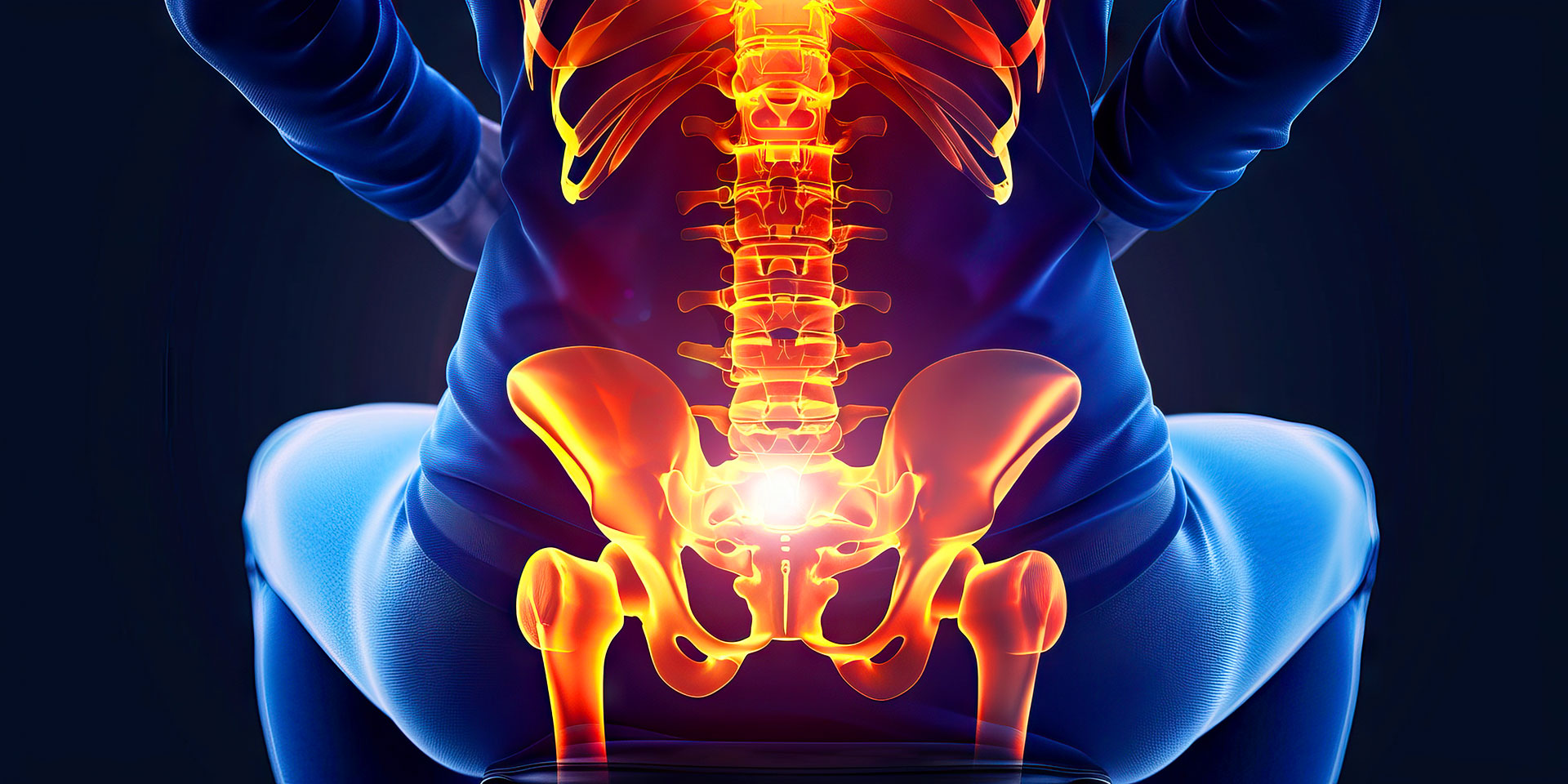

Minimally Invasive Treatment for Coccydynia
At CURA Pain Centers, treatment focuses on reducing inflammation and relieving pressure on the coccyx without immediate surgery whenever possible. Depending on symptom severity, options may include image-guided injections, targeted nerve blocks, or other interventional procedures performed safely in-office.
These minimally invasive therapies aim to calm irritation, restore comfort during sitting, and prevent chronic pain progression. Many patients experience meaningful improvement after appropriately directed care. If persistent tailbone pain is limiting your daily activities, early specialized evaluation can help support long-term stability and relief.
