
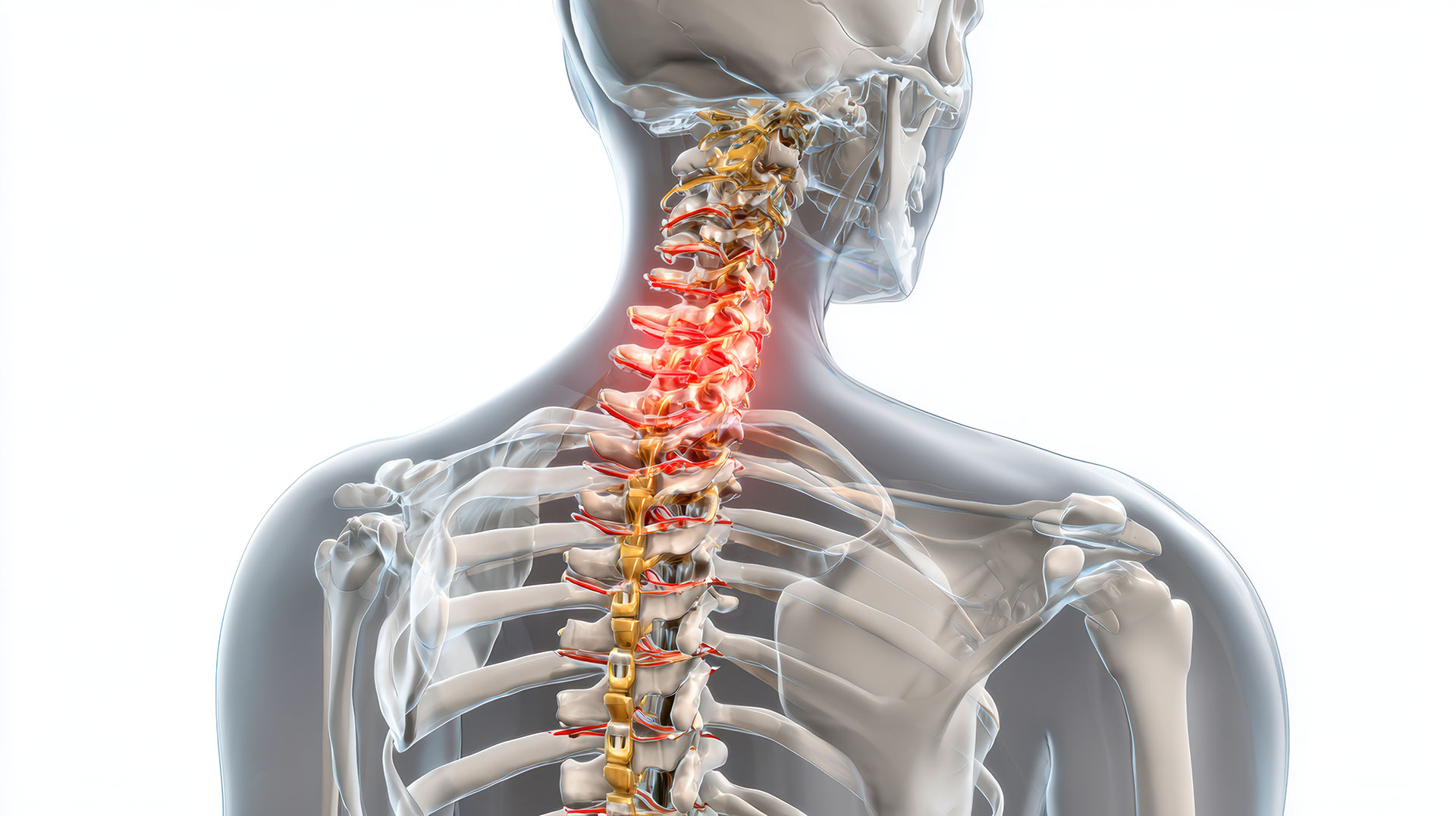
Cervical spinal stenosis occurs when the spinal canal in the neck narrows and places pressure on the spinal cord or surrounding nerve roots. As the cervical spine supports head movement and protects delicate nerve pathways, narrowing in this region can lead to significant discomfort and neurological symptoms. Pain may remain localized in the neck or radiate into the shoulders, arms, or hands. At CURA Pain Centers, we carefully evaluate the degree of spinal narrowing to provide minimally invasive treatments designed to relieve nerve compression and restore mobility.
What Causes Cervical Spinal Stenosis?
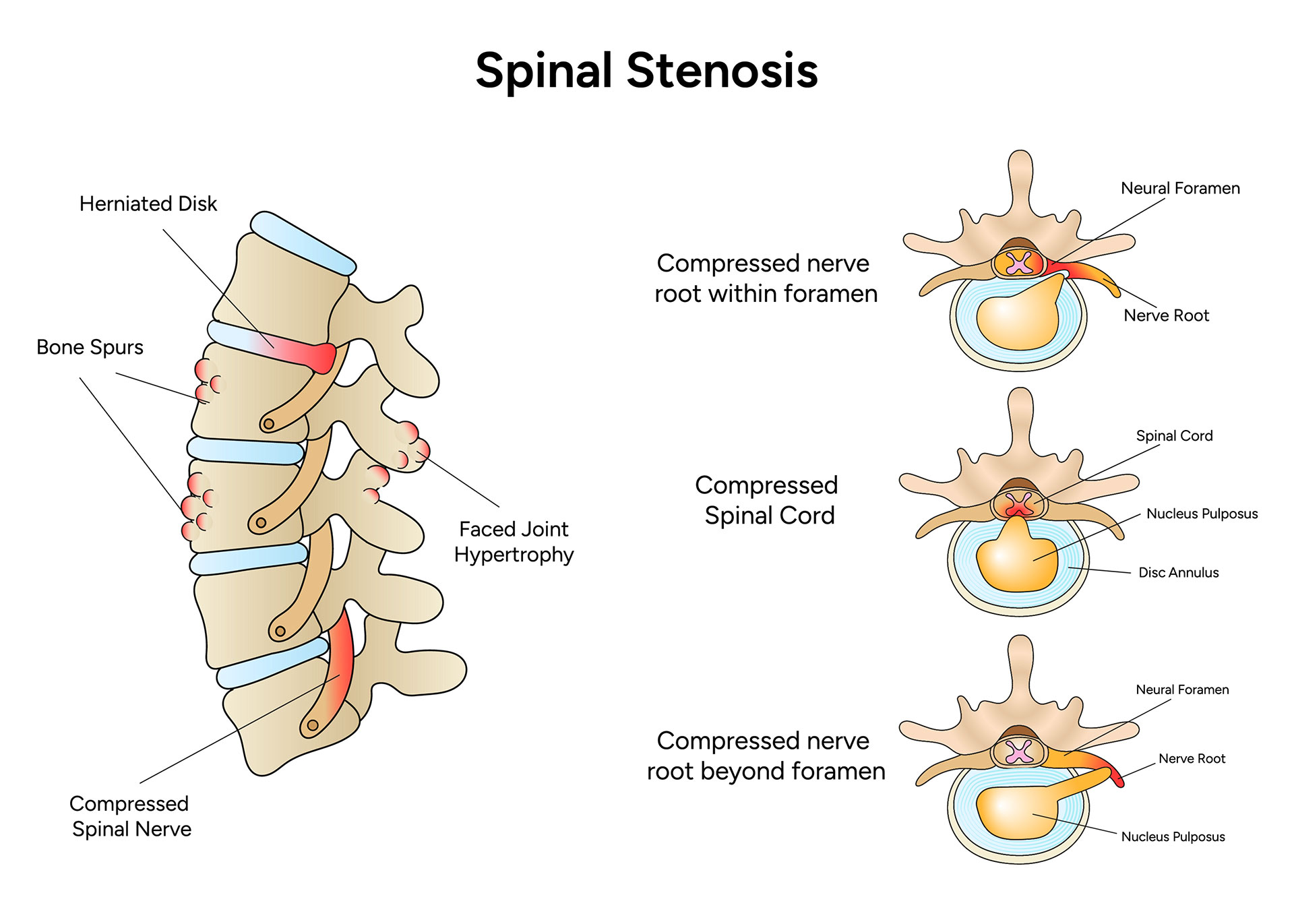
Cervical spinal stenosis most commonly develops from age-related degeneration of discs and joints. Over time, disc height may decrease, bone spurs can form, and surrounding ligaments may thicken, reducing the space available for nerves within the spinal canal.
Patients often experience neck stiffness, radiating arm pain, numbness, tingling, or weakness in the hands. Symptoms may gradually worsen and can be aggravated by certain neck movements or prolonged positioning. Because these signs can overlap with other cervical spine conditions, accurate clinical evaluation is essential.
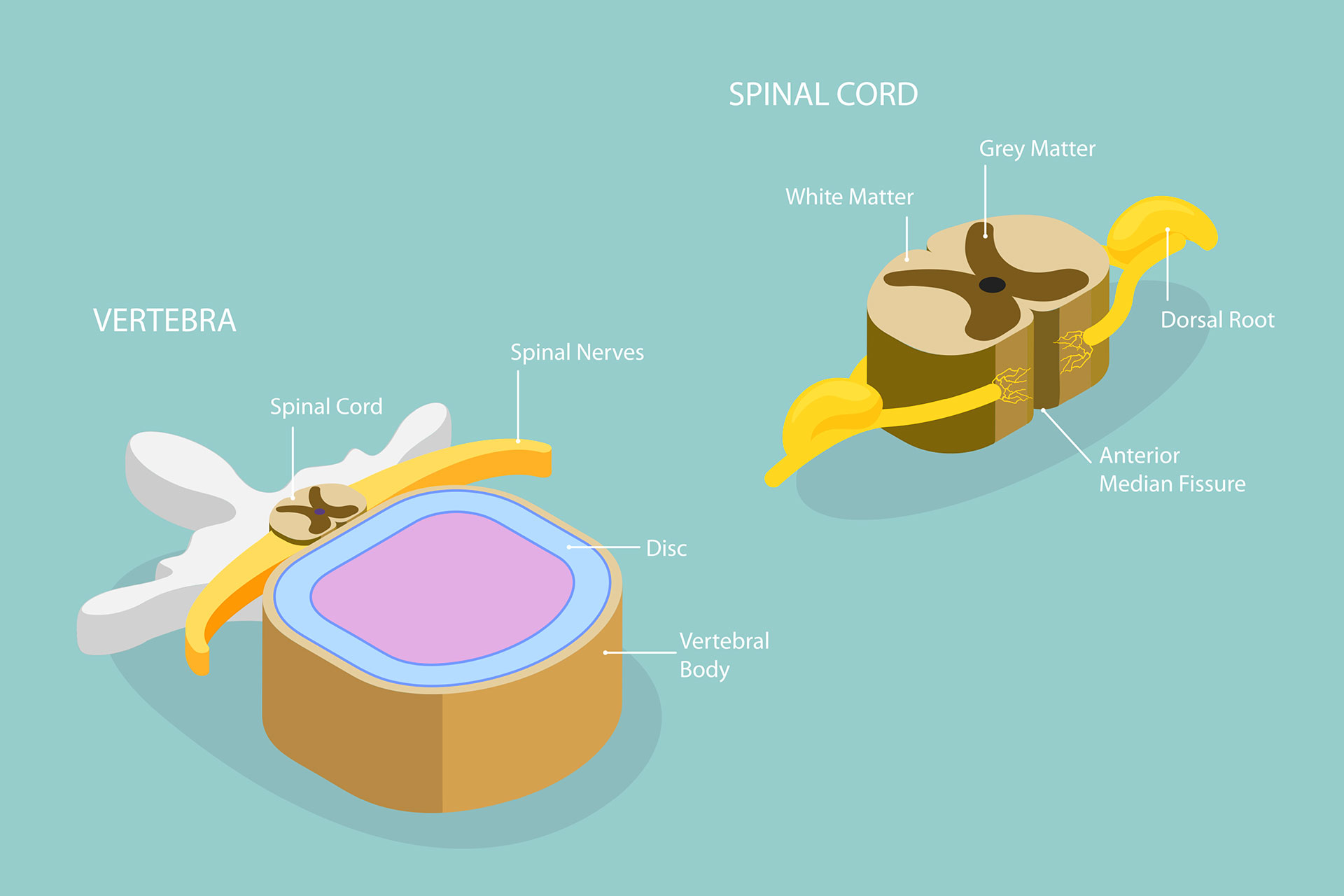
Our specialists assess imaging findings, neurological symptoms, and physical examination results to determine whether spinal canal narrowing is directly responsible for nerve compression.
Minimally Invasive Treatment for Cervical Spinal Stenosis
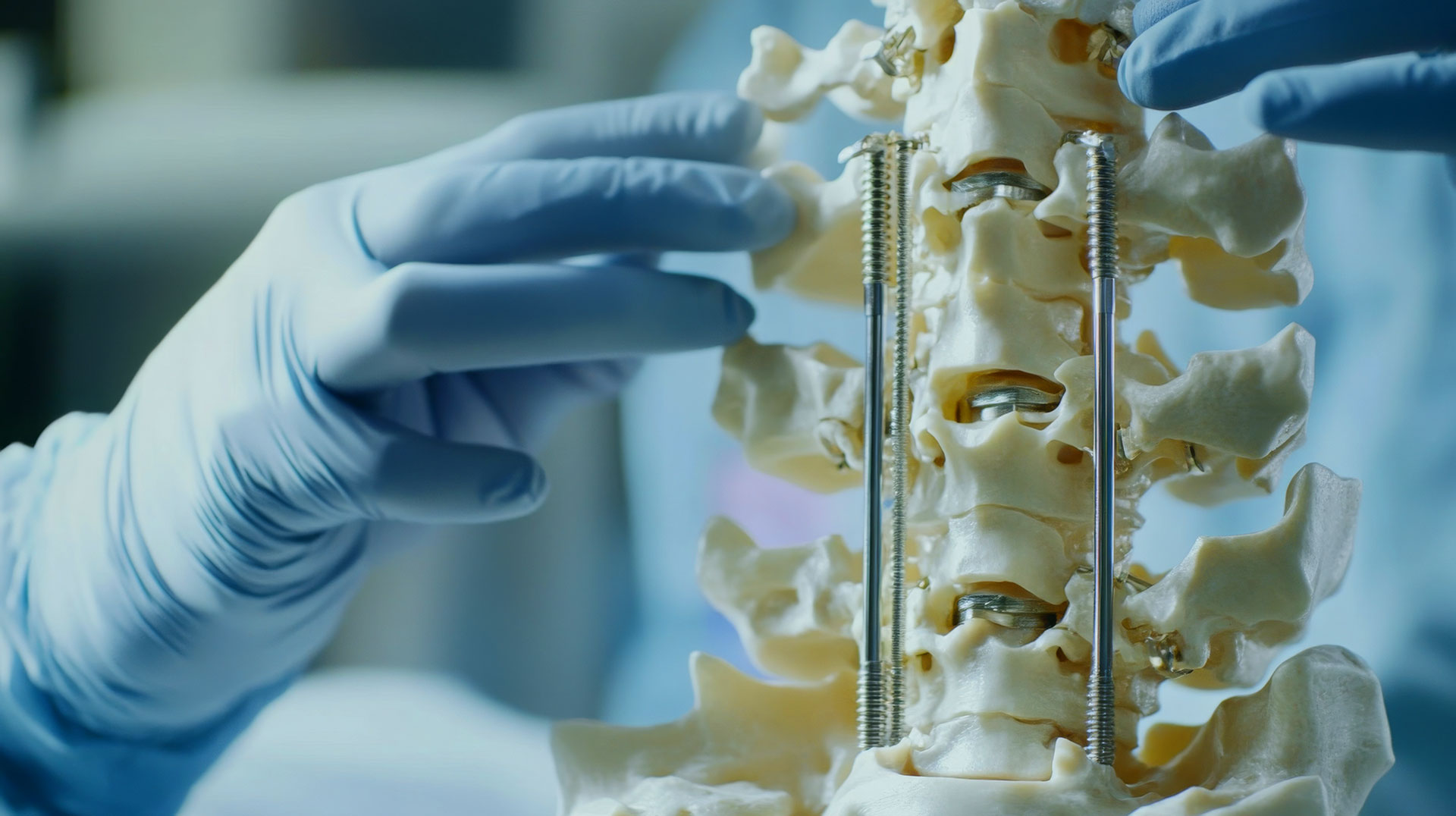
At CURA Pain Centers, treatment focuses on reducing inflammation and relieving pressure on affected nerves without immediate surgery whenever possible. Depending on the severity of narrowing, options may include image-guided epidural injections, selective nerve root blocks, or other targeted interventional procedures performed safely in-office.
These minimally invasive therapies aim to calm nerve irritation, improve strength and sensation, and restore comfortable movement. Many patients experience meaningful relief after appropriately directed care. If neck pain or radiating arm symptoms are limiting your daily activities, early specialized evaluation can help prevent progression and support long-term cervical spine health.
.