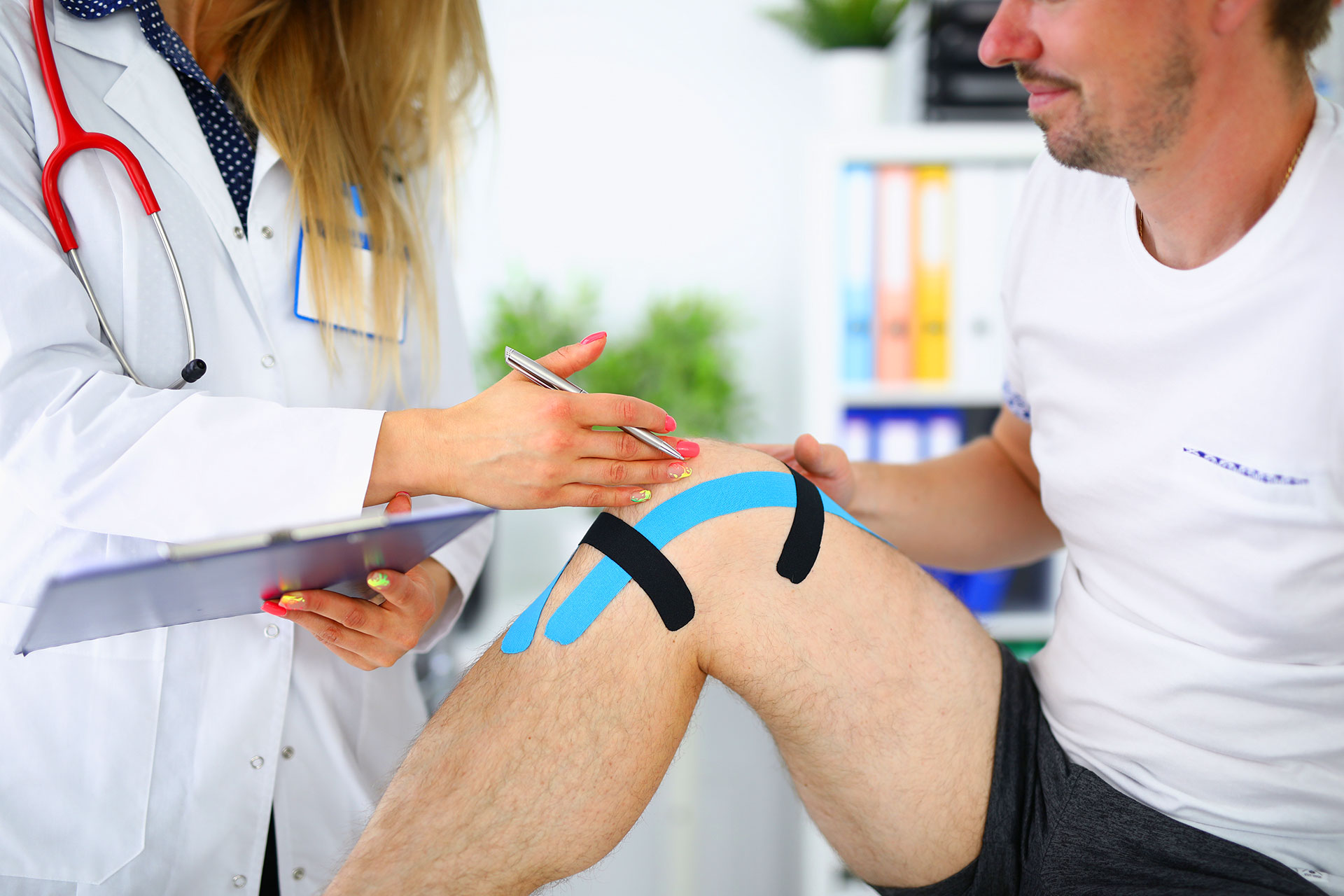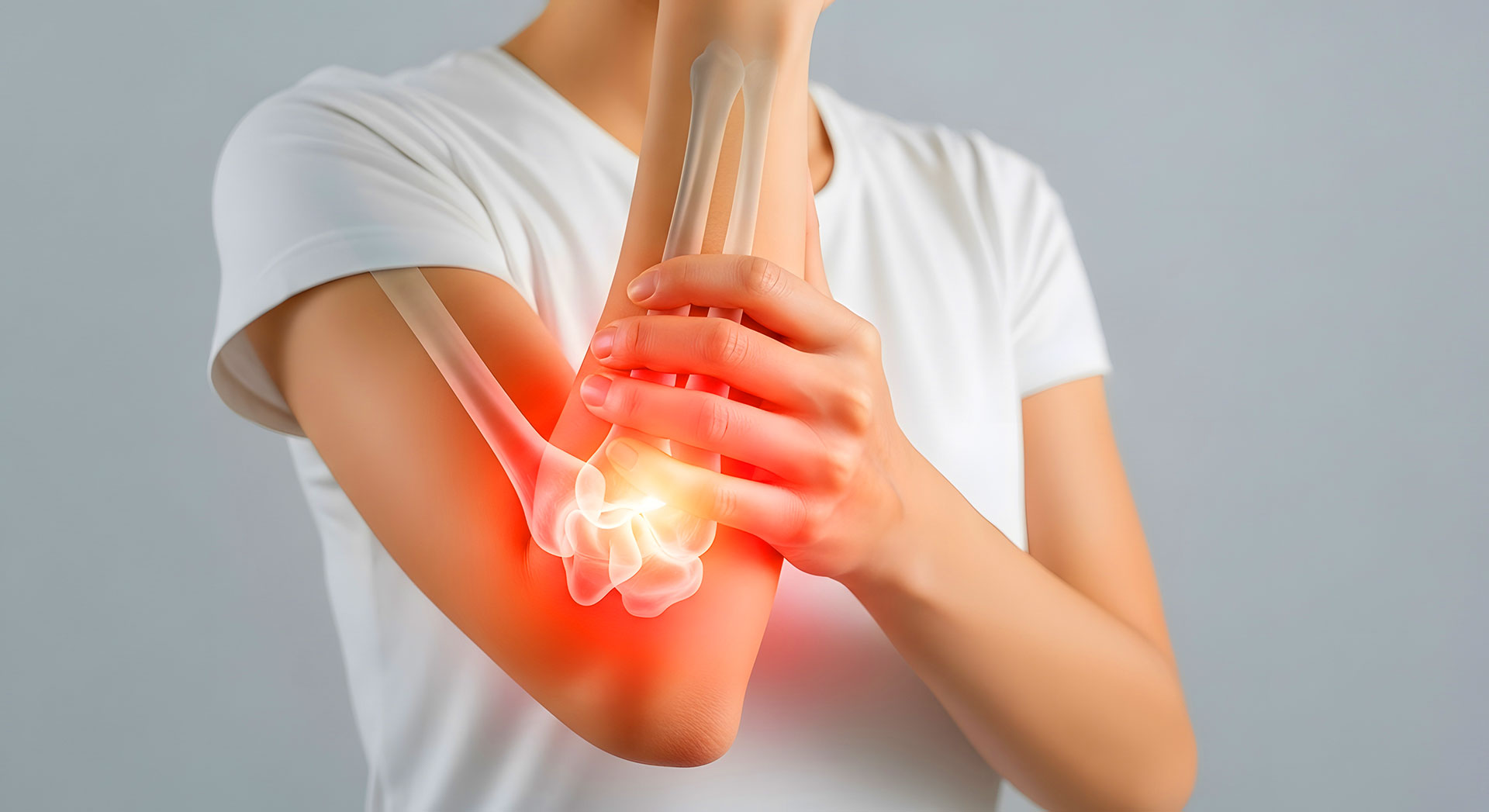
Bursitis is an inflammatory condition that occurs when a bursa, the small fluid-filled sac that cushions joints and reduces friction, becomes irritated or swollen. Bursae are located throughout the body near major joints such as the shoulders, hips, knees, and elbows. When inflamed, they can cause localized pain, swelling, and reduced range of motion. At CURA Pain Centers, we carefully evaluate the affected joint to provide minimally invasive treatments designed to reduce inflammation and restore comfortable movement.
What Causes Bursitis?
Bursitis commonly develops from repetitive motion, prolonged pressure on a joint, sudden trauma, or underlying joint degeneration. Overuse activities, poor posture, or structural imbalance may increase stress on the bursa and trigger inflammation. In some cases, infection or systemic inflammatory conditions may contribute to symptoms.
Patients often experience tenderness near the joint, visible swelling, warmth, and pain that worsens with movement or pressure. Symptoms may gradually increase and interfere with daily tasks or physical activity. Because bursitis symptoms can overlap with tendon injuries or arthritis, accurate clinical evaluation is essential.
Our specialists assess joint stability, soft tissue involvement, and inflammatory patterns to determine whether bursitis is directly contributing to discomfort.
Minimally Invasive Treatment for Bursitis
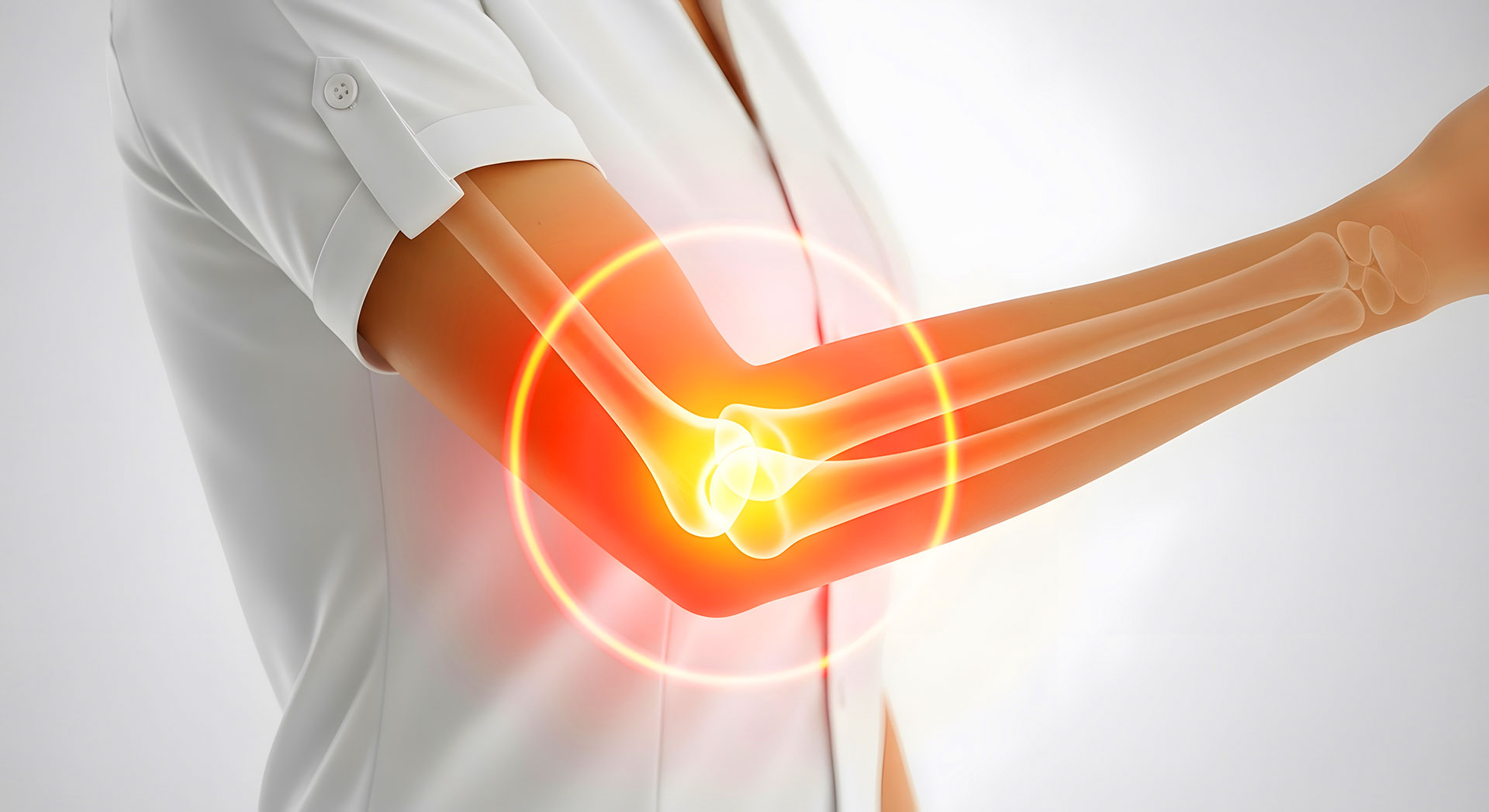
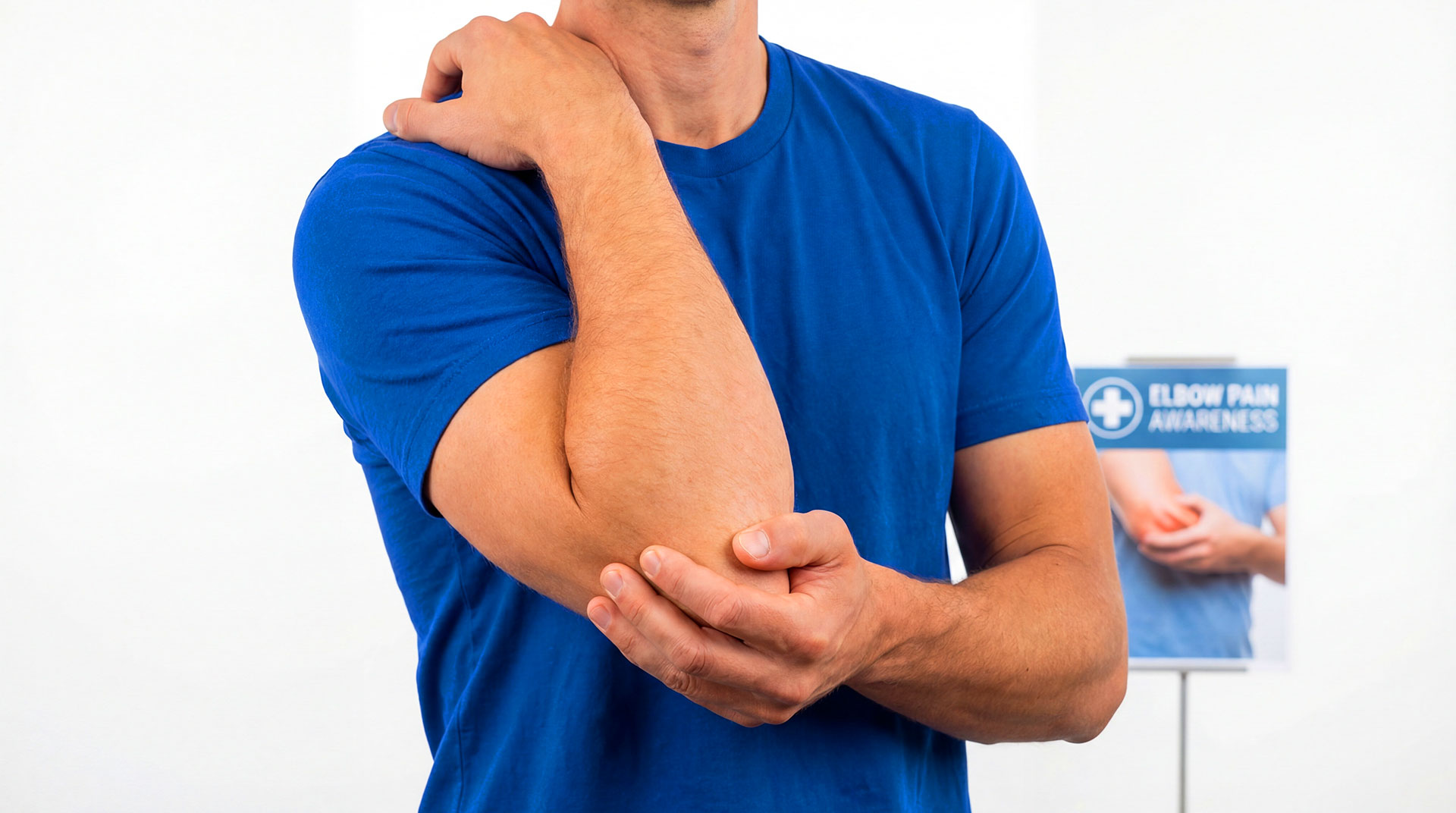
At CURA Pain Centers, treatment focuses on reducing inflammation and relieving pressure within the affected bursa without immediate surgery whenever possible. Depending on the severity and location of symptoms, options may include image-guided injections, targeted therapies, or other interventional procedures performed safely in-office.
These minimally invasive therapies aim to calm irritation, restore mobility, and prevent recurrence of inflammation. Many patients experience meaningful improvement after appropriately directed care. If persistent joint swelling or pain is limiting your daily activities, early specialized evaluation can help support long-term joint stability.