
Peripheral Nerve Stimulation: A Drug-Free Solution for Chronic Neuropathic Pain
For millions of people living with chronic neuropathic pain, medications offer only partial relief, and often at the cost of significant side effects or dependency risks. Fortunately, peripheral nerve stimulation (PNS) is changing that equation. Instead of relying on drugs, this therapy delivers gentle electrical impulses directly to the affected nerve and interrupts pain signals right at their source, without a single pill.
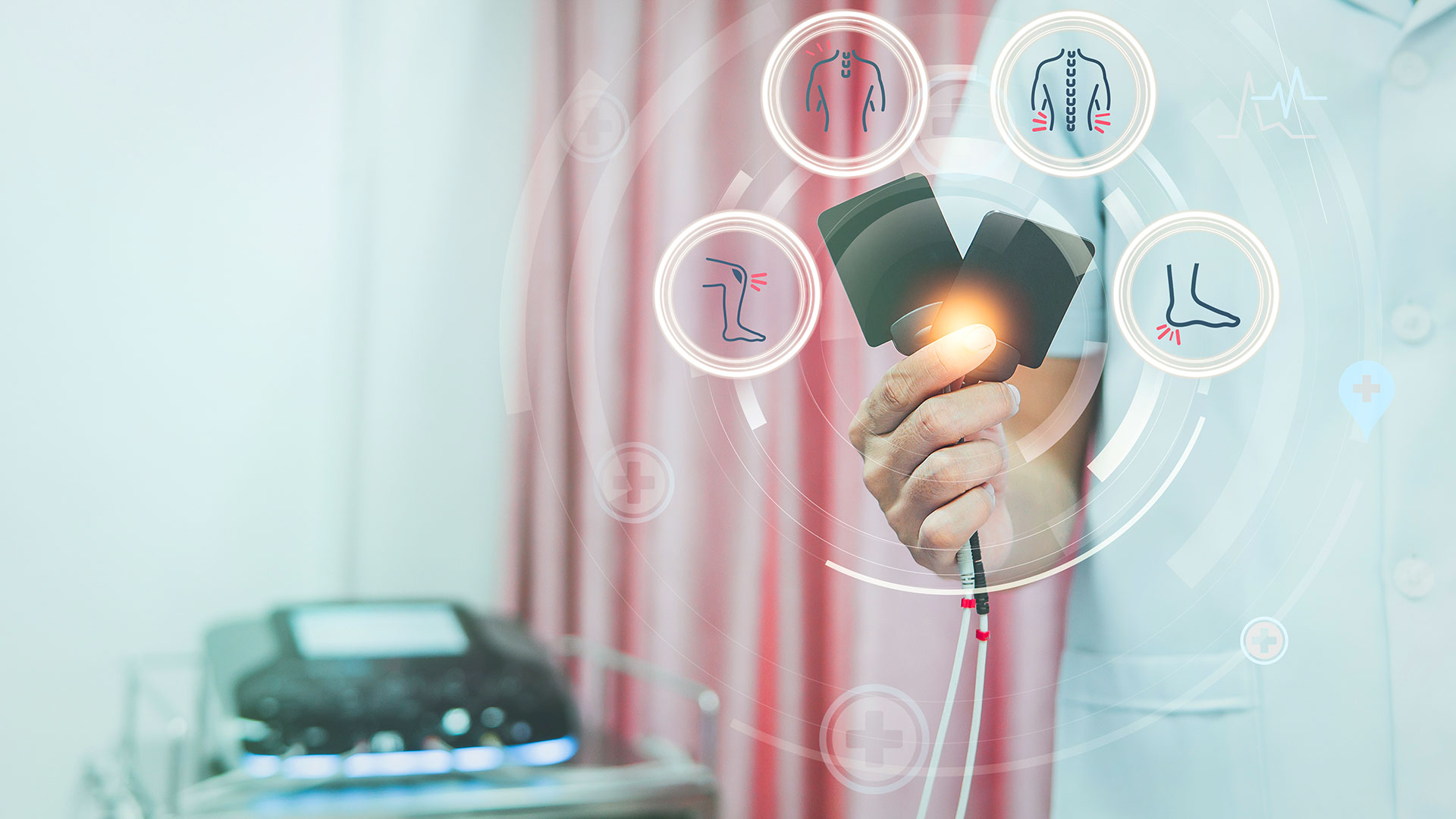
What is PNS? A minimally invasive therapy that places a small electrode near a peripheral nerve to block pain signals with mild electrical pulses, with no drugs involved.
Who is it for? People with chronic neuropathic pain who have not found adequate relief through medications, physical therapy, or other conservative treatments.
What Is Peripheral Nerve Stimulation?
Peripheral nerve stimulation is a type of neuromodulation therapy. In practice, a pain specialist places a small, thin electrode near a specific peripheral nerve (any nerve outside the brain and spinal cord) and connects it to a pulse generator that delivers controlled electrical signals. As a result, these signals interrupt or modify the pain messages the nerve sends to the brain, reducing what you actually feel.
Unlike spinal cord stimulation, which targets the spinal cord directly, PNS works at the level of the individual nerve responsible for the pain. Because of this targeted approach, it works especially well for conditions where doctors can trace the pain back to a specific nerve or nerve region.
How Does PNS Work?
The science behind PNS draws on the gate control theory of pain, which proposes that non-painful signals can effectively close the gate to painful ones. Specifically, the electrical impulses from the PNS device activate large sensory nerve fibers. These fibers then compete with and suppress the smaller pain-carrying fibers, so the brain receives less pain input overall.
Moreover, recent research suggests PNS produces neuroplastic changes over time, meaning the nervous system itself adapts in ways that produce longer-lasting pain reduction, even after stimulation periods end. As a result, some patients experience sustained relief well beyond the active stimulation phase, which makes PNS particularly valuable as a long-term strategy.
Of appropriate candidates report at least 50% pain relief in clinical studies
Of PNS patients reduce or eliminate reliance on pain medications
Most PNS lead placements are completed in under 30 minutes as an outpatient procedure
What Conditions Can PNS Treat?
PNS now covers a growing range of neuropathic and chronic pain conditions, and specialists continue to expand its applications as new evidence emerges. In fact, its versatility is one of its greatest clinical strengths.
| Condition | Target Nerve | Evidence Level |
|---|---|---|
| Occipital neuralgia / chronic migraine | Greater occipital nerve | Strong |
| Chronic shoulder pain | Suprascapular nerve | Strong (SPRINT trial) |
| Complex Regional Pain Syndrome (CRPS) | Regional peripheral nerves | Moderate to strong |
| Post-surgical neuropathic pain | Nerve at surgical site | Moderate |
| Diabetic peripheral neuropathy | Lower limb peripheral nerves | Growing evidence |
| Groin and ilioinguinal pain | Ilioinguinal nerve | Moderate |
*Based on published clinical trials and 2024 ASPN consensus guidelines on peripheral nerve stimulation.
Temporary vs. Permanent PNS: What Is the Difference?
One of the most important decisions in PNS therapy involves choosing between a temporary or permanent system. Both options offer real advantages, so the right choice depends on the patient's specific condition, pain duration, and long-term goals.
Temporary PNS
- The specialist places the electrode percutaneously and connects it to an external pulse generator
- Patients wear the system for a defined period, typically 30 to 60 days, and then a clinician removes it
- No surgery is needed for removal, which keeps the process simple and low-risk
- It works particularly well for acute post-surgical nerve pain and post-traumatic injuries
- Notably, it can produce relief that outlasts the stimulation period by several months
Permanent PNS
- After a successful trial, a surgeon places an implantable pulse generator under the skin
- The system supports long-term, ongoing use in chronic conditions
- Patients control their own stimulation levels with a handheld remote
- Battery life typically runs 5 to 10 years, depending on the specific device
- This option suits persistent neuropathic conditions such as CRPS and occipital neuralgia best
Who Is a Good Candidate for PNS?
PNS is not the first line of treatment for most patients. However, it becomes highly relevant when other approaches have not delivered enough relief. You may be a strong candidate if:
- You have chronic neuropathic pain lasting 3 months or more
- You have already tried conservative treatments, including medications and physical therapy, without sufficient results
- Your doctor can attribute your pain to a specific peripheral nerve
- You prefer to avoid spinal surgery or do not qualify as a surgical candidate
- You want to reduce or fully eliminate reliance on opioids or other pain medications
- A psychological evaluation confirms you are emotionally and mentally prepared for an implantable device
PNS vs. Spinal Cord Stimulation: Which Is Right for You?
Both PNS and spinal cord stimulation (SCS) are forms of neuromodulation, but they serve different purposes. The key distinction is the target. SCS modulates pain signals at the spinal cord level and therefore works best for widespread back or leg pain. PNS, on the other hand, targets an individual peripheral nerve, so it delivers the most benefit when pain is localized to a specific nerve distribution.
Furthermore, many patients actually prefer PNS because it involves a less invasive lead placement with no spinal entry. Additionally, the option for a temporary trial means nothing permanent remains if the patient decides not to continue. A pain specialist can evaluate your specific pain pattern and anatomy to determine which approach fits your situation best.

Frequently Asked Questions
What conditions can peripheral nerve stimulation treat?
PNS treats a wide range of neuropathic conditions, including CRPS, occipital neuralgia, chronic shoulder pain, post-surgical nerve pain, diabetic peripheral neuropathy, and ilioinguinal pain. Moreover, the 2024 ASPN guidelines have expanded the recognized indications as clinical evidence continues to grow, so more patients now qualify than ever before.
Is peripheral nerve stimulation permanent?
PNS can be either temporary or permanent, depending on your needs. For temporary systems, a clinician places the leads and removes them after weeks to months with no lasting hardware left behind. For ongoing chronic conditions, a surgeon implants a permanent device after the patient completes a successful trial period.
How effective is peripheral nerve stimulation?
Clinical studies consistently show that 70 to 80% of well-selected patients achieve at least 50% pain reduction. In addition, many patients significantly cut their reliance on pain medications. The SPRINT PNS trial for shoulder pain and several CRPS studies provide some of the strongest evidence supporting these outcomes.
Is PNS covered by insurance?
Coverage varies by insurer and specific indication. Nevertheless, many plans now cover PNS for occipital neuralgia and post-surgical pain, and coverage for additional indications continues to expand as clinical guidelines evolve. In most cases, insurers require pre-authorization. Therefore, always ask your pain management team to verify your benefits before scheduling.
Bottom Line
For people living with chronic neuropathic pain who have not found adequate relief through medications alone, peripheral nerve stimulation offers a compelling, drug-free alternative. Moreover, it comes with strong clinical backing and a growing list of approved uses that continues to expand each year.
Best of all, patients can trial the therapy before committing to a permanent implant, which makes PNS one of the lowest-risk, highest-reward options in modern pain management. As a next step, speak with a board-certified pain specialist to find out whether PNS is the right solution for your specific condition.