Epidural Steroid Injections for Sciatica and Spinal Stenosis: What Actually Works
If you are dealing with sciatica or spinal stenosis, your doctor may have recommended an epidural steroid injection (ESI). It sounds straightforward, but patients often have the same questions: does it actually work, how long does relief last, and is it safe? This guide gives you honest, evidence-based answers.
For sciatica: ESIs are most effective for short to medium-term relief, with most patients reporting significant improvement within 2 to 6 weeks.
For spinal stenosis: ESIs can reduce leg pain and improve walking ability, though results tend to be more variable than for sciatica.
What Is an Epidural Steroid Injection?
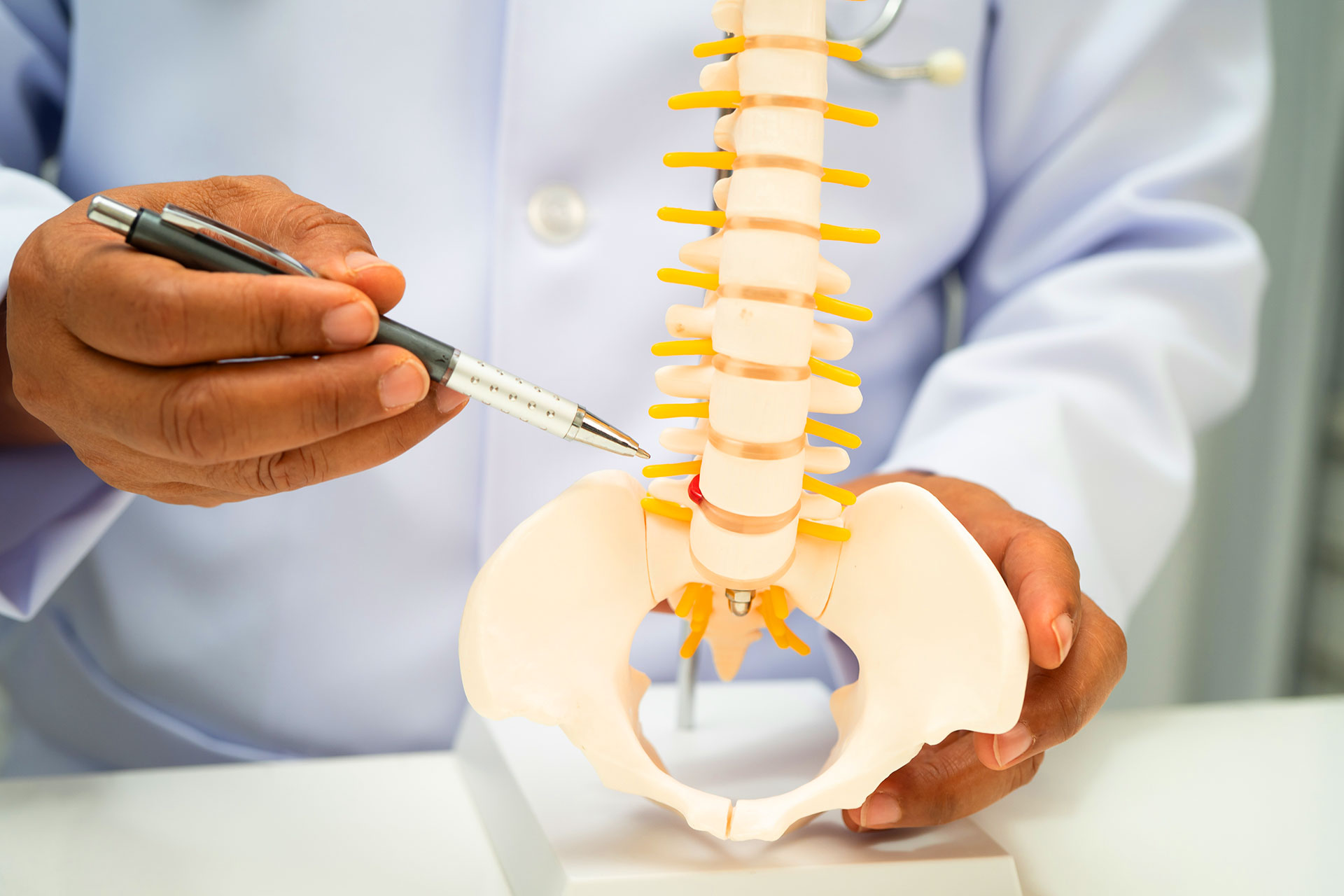
An epidural steroid injection delivers a corticosteroid medication directly into the epidural space of your spine, which surrounds the spinal cord and nerve roots. The steroid reduces inflammation around the irritated nerves, which is the main driver of pain in both sciatica and spinal stenosis.
The procedure is performed under fluoroscopy (live X-ray guidance) to ensure precise placement. It typically takes less than 30 minutes and is done on an outpatient basis.
The 3 Main Types of ESI
Transforaminal: The injection is placed at the opening where the nerve exits the spine. Considered the most targeted approach and often preferred for one-sided sciatica.
Interlaminar: The injection is placed in the center of the epidural space, covering a broader area. Often used for bilateral symptoms or spinal stenosis.
Caudal: The injection is placed through the sacral hiatus at the base of the spine. Less precise but useful for lower lumbar and sacral pain.
Does It Actually Work? What the Evidence Says
The short answer is yes, with important nuances. ESIs are one of the most studied interventional pain treatments, and the evidence consistently shows they provide meaningful short-term relief for both sciatica and spinal stenosis.
| Condition | Expected Benefit | How Long Relief Lasts |
|---|---|---|
| Sciatica (disc herniation) | Strong, well-documented | 2 weeks to 3 months |
| Spinal stenosis | Moderate, variable | 2 to 6 weeks on average |
| Degenerative disc disease | Mild to moderate | 2 to 4 weeks |
| Radiculopathy (nerve root pain) | Strong, especially transforaminal | Up to 3 months |
*Based on pooled data from systematic reviews and the 2025 AAN guidelines update.
Importantly, ESIs are most effective as part of a broader treatment plan that includes physical therapy and rehabilitation. They are not a permanent fix, but they can create a meaningful window of pain relief that allows patients to participate in recovery-focused activities.
ESIs for Sciatica: Who Benefits Most?
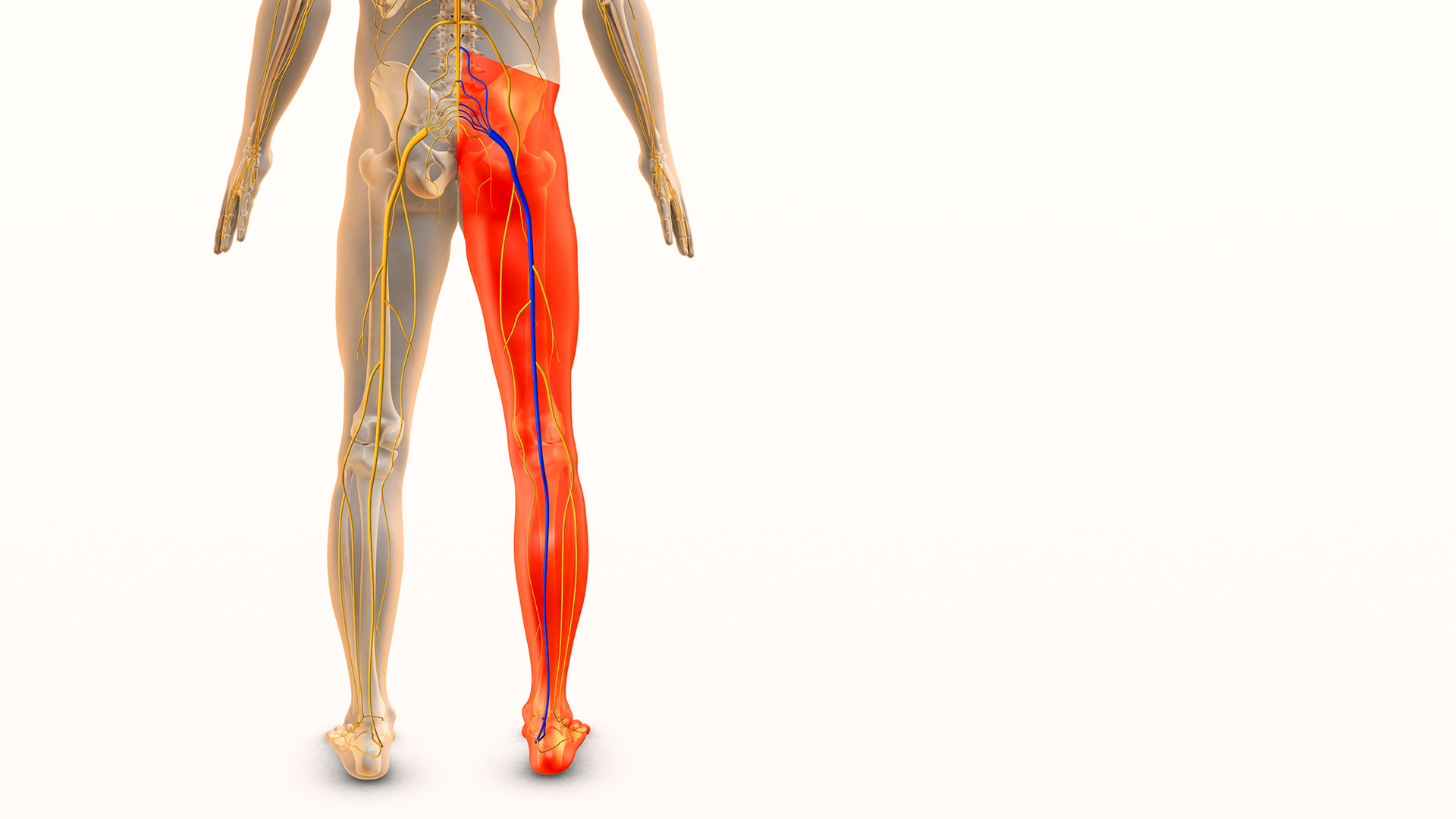
Sciatica caused by a herniated disc responds particularly well to epidural steroid injections. When a disc bulges and presses on a nerve root, it triggers both mechanical compression and intense chemical inflammation. The steroid directly targets that inflammation, which is often the main source of the burning, shooting leg pain.
Clinical studies show that up to 70 to 90% of patients with acute sciatica from disc herniation experience meaningful pain reduction after one to three injections. The results are strongest in patients who have had symptoms for less than 6 months.
Who Gets the Best Results
- Sciatica caused by a single herniated or bulging disc
- Symptoms present for less than 6 months
- Pain radiating clearly down one leg following a nerve pattern
- MRI findings that match the clinical symptoms
- Patients who have not yet tried other conservative treatments
ESIs for Spinal Stenosis: A More Complex Picture
Spinal stenosis, where the spinal canal narrows and compresses nerve tissue, is a different challenge. Unlike disc herniation, stenosis involves structural narrowing that a steroid injection cannot reverse. What the injection can do is reduce the surrounding inflammation that amplifies the pain, offering temporary but often meaningful relief.
The SPORT trial and subsequent research found that ESIs provided meaningful short-term walking improvement and leg pain reduction in stenosis patients, particularly those with moderate rather than severe narrowing. Patients with very severe stenosis or significant instability tend to respond less consistently.
What to Expect With Stenosis
- Relief is typically shorter-lasting than with sciatica
- Interlaminar or caudal approaches are often preferred for broader coverage
- Multiple injections spaced weeks apart may be needed
- Best used alongside a walking and rehabilitation program
Risks and Side Effects: What You Should Know
ESIs are among the safest interventional procedures when performed by a trained specialist under image guidance. Serious complications are rare. The most common side effects are minor and temporary.
Common and Temporary
- Mild soreness or pressure at the injection site for 1 to 2 days
- Temporary flushing or warm sensation (steroid flush)
- Brief elevation in blood sugar levels, especially in diabetic patients
- Mild headache in some patients
Rare but Serious
- Infection at the injection site (extremely rare with proper sterile technique)
- Dural puncture causing a spinal headache
- Nerve damage (very rare when fluoroscopy guidance is used)
- Bone density reduction with repeated injections over time

Frequently Asked Questions
How long do epidural steroid injections last?
Relief typically lasts anywhere from a few weeks to several months. Most patients see the best results between 2 and 6 weeks after the injection, with some experiencing benefits for up to 3 months or longer. Duration varies based on the underlying condition and individual response.
How many injections can you have?
Most guidelines recommend no more than 3 injections per year in the same region to limit steroid exposure and protect bone density. If the first injection provides strong relief, a second is often given only if symptoms return.
Are epidural steroid injections safe?
Yes, when performed by a trained specialist under fluoroscopic guidance, ESIs are considered safe. Serious complications are rare. Temporary side effects like mild soreness or flushing can occur but resolve quickly on their own.
What if the injection does not work?
If one injection does not provide relief, a second with a different approach or needle placement may be tried. If ESIs consistently fail to help, your doctor may recommend other options such as spinal cord stimulation, radiofrequency ablation, or surgical consultation depending on your diagnosis.
Bottom Line
Epidural steroid injections are a proven, well-studied tool for managing sciatica and spinal stenosis pain. They work best for short to medium-term relief, especially when combined with physical therapy.
They are not a cure, but for the right patient they can make a significant difference in quality of life and ability to move. Talk to a board-certified pain management specialist to find out if an ESI is the right next step for your specific condition.